When to Paint House Exterior: A Practical Timing Guide
Discover the best time to paint your house exterior, including ideal weather windows, seasonal considerations, and a practical, step-by-step plan to protect color and longevity. Expert guidance from PaintQuickGuide.


Plan exterior painting during dry, mild weather to ensure adhesion, curing, and lasting color. The ideal window is free of rain, high humidity, and extreme temperatures and matches your local climate. This guide helps you identify weather windows, pick the best season, and schedule prep and painting for durable, attractive results.
Why timing matters for exterior painting
Timing is not just a calendar date; it directly affects how well the paint adheres, cures, and resists peeling. According to PaintQuickGuide, planning around dry, mild weather reduces dew formation on surfaces and minimizes flash-drying, which can create brush marks. Temperature influences film formation: on very cold days the paint may dry too slowly, trapping moisture; on very hot days the film can dry too quickly, leading to cracking or poor adhesion. Humidity also matters—high moisture slows drying and invites blistering when surfaces warm up. In short, choosing the right weather window improves the long-term look and protection of your exterior finish.
Ideal seasons and weather windows
Most homes benefit from a dedicated weather window rather than random weekends. The goal is a stretch of dry days with moderate temperatures and low humidity. In temperate climates, many homeowners find spring and fall optimal, avoiding peak heat or late-season frosts. In hotter regions, late fall or early spring can offer calm days with lower humidity. In coastal or high-humidity areas, early mornings or late afternoons during dry spells help minimize dew and moisture exposure. Always check rain forecasts for a 48–72 hour look-ahead and plan for at least one full dry day after painting to allow the film to cure before nighttime temperatures drop.
Regional considerations: climate zones and siding materials
Exterior paints behave differently depending on climate zone and substrate. Wood siding, fiber cement, and masonry each respond to moisture and temperature in unique ways. In humid, coastal zones, waiting for lower humidity periods reduces blistering and mildew risk. In cold inland regions, avoid painting when temperatures are near or below freezing, as the film may fail to cure properly. Porous surfaces, like bare wood or previously chalky paint, benefit from a thorough cleaning and a primer layer before color coats. Choosing a high-quality exterior paint designed for your substrate and climate can extend color life and reduce maintenance.
Signs it's time to paint
You don’t have to guess from color alone. Look for chalking (powdery residue on the surface), peeling or bubbling paint, exposed woodgrain where paint has failed, and color fading that makes the home look dull. If you notice rot or water intrusion, address those issues before painting. A well-timed project also minimizes the need for frequent touch-ups, saving time and cost in the long run.
How to plan the project: timing and scheduling
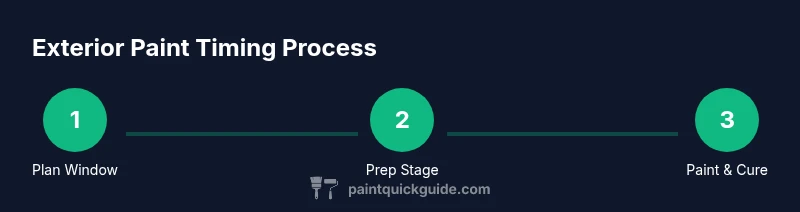
Start with a climate-aware plan. Determine your region’s typical dry periods and align your project with a multi-day forecast that provides consecutive dry days. Create a work window that includes prep time (washing, scraping, and priming if needed) plus at least 24 hours of dry weather after the priming stage. Reserve a backup window in case of weather delays, and communicate your plan with family or neighbors if the project requires access to shared spaces or extended ladder use.
How to pick a painting day: forecasts, dew points, and surface checks
Forecasts alone aren’t enough. Check dew point predictions to avoid painting when surfaces will reach or drop below dew point, which can lead to moisture entrapment. Inspect surface conditions in the morning; if surfaces feel cool and damp, wait for the sun to warm them. Conduct a quick touch test: a finger pressed on a small area should leave no tackiness after 30–60 minutes in dry, calm conditions. When in doubt, extend the dry window by a day to ensure proper curing.
Surface prep and color-change planning
Proper prep is the difference between a good job and a great job. Clean the surface thoroughly, remove loose material, and fill cracks with appropriate sealant. For porous wood or chalky paint, apply primer to ensure uniform adhesion. If you’re changing from a dark to a light color or vice versa, plan for two coats and use compatible primers to reduce stain bleed-through. Protect nearby vegetation and hardscape with drop cloths and painter’s tape, and consider weatherproofing details around windows and doors.
Paint types, finishes, and timing trade-offs
Latex/acrylic paints offer easy cleanup and good UV resistance, making them the common choice for exterior projects. Oil-based or alkyd enamels can provide excellent leveling and durability but require solvent cleanup and longer drying times. In areas with limited shade, lighter colors reflect heat better, reducing surface temperature and speeding curing. High-gloss finishes show surface imperfections more readily, while flat or satin finishes can hide minor flaws. Balance color choice, sheen, climate, and maintenance schedule to select the best option for your home.
Tools & Materials
- Exterior acrylic latex paint (100% acrylic recommended)(Choose a color system with good UV resistance)
- Exterior primer (if needed for porous or repaired areas)(Use a stain-blocking primer if dealing with water stains)
- Caulk and caulking gun(Seal joints around trim and corners before painting)
- Putty knife and filler(Fill cracks and holes prior to priming)
- Sanding block or palm sander(Lightly scuff glossy surfaces for adhesion)
- Drop cloths, painter's plastic, and tape(Protect plants, driveways, and windows)
- Ladders, safety harness, or scaffolding(Ensure safe access to all exterior areas)
- Paint rollers with extension pole and brushes(Use synthetic bristles for latex paints)
- Buckets, stir sticks, and disposal bags(Stir well and manage waste properly)
- Water hose or power washer (low pressure)(Clean surfaces without forcing water into gaps)
- Paint thinner or gentle cleaner (as needed)(Only for cleanup of oil-based residues)
- Safety gear (gloves, goggles, respirator if needed)(Protect skin and eyes; follow local regulations)
- Forecast and moisture app or website(Helpful for planning long windows)
Steps
Estimated time: 2-6 days depending on house size, weather, and prep work
- 1
Assess the project scope
Walk the exterior and list areas of peeling paint, staining, or repair. Decide on surface prep, primer needs, and how many color changes are planned. Document any difficult areas like eaves, trim, and corners.
Tip: Create a simple checklist and photograph any repairs before starting. - 2
Check the weather window
Review a multi-day forecast for consecutive dry days with mild to moderate temperatures. Ensure nighttime temps won’t dip below the paint’s curing range after application.
Tip: Aim for at least 24 hours of dry weather after the last coat. - 3
Prepare surfaces
Wash surfaces to remove dirt and mildew. Scrape loose paint, sand glossy areas, and caulk gaps. Primer may be needed on new wood or repaired sections.
Tip: Avoid washing on a day when the surface is still wet from rain. - 4
Prime and repair
Apply primer to porous substrates or problematic stains. Fill cracks with paintable filler and prime patched areas to ensure a uniform finish.
Tip: Test primer compatibility with your final topcoat for best results. - 5
Apply first coat
Use a cut-in brush along trim and windows, then roll large areas with an even, wet coat in a consistent direction. Maintain a reasonable wet edge to avoid lap marks.
Tip: Work in shade to prevent rapid drying and brush marks. - 6
Apply second coat
After the first coat dries, inspect for coverage and color uniformity. Apply a second coat as needed for even color and protection.
Tip: Two light coats often outperform one heavy coat. - 7
Cleanup and final checks
Clean brushes and rollers promptly, remove masking tape before edges fully dry, and inspect for missed spots. Protect fresh paint from dew or rain during curing.
Tip: Take before-and-after photos for future maintenance reminders.
Your Questions Answered
What is the best season for exterior painting?
In temperate climates, spring and fall offer stable conditions with fewer extreme temperatures. Avoid periods of freezing temperatures and peak heat, and always check a reliable forecast for dry days before starting.
Spring and fall are typically best, with dry days and mild temperatures. Check the forecast before you start.
Can I paint in winter?
Winter painting is possible in milder regions with careful surface preparation and appropriate paint designed for lower temperatures. In very cold areas, paint may not cure properly and could fail prematurely.
Winter painting can work in milder areas, but if it’s cold, you may have curing problems or poor adhesion.
Should I prime before painting?
Priming is recommended on porous or repaired surfaces to ensure even color and better adhesion. Use a primer compatible with your topcoat and substrate.
Yes, prime porous or repaired areas to ensure good adhesion and color uniformity.
How long does exterior paint typically last?
Durability depends on climate, surface preparation, and coating quality. Good preparation and the right product can extend color life, but expect maintenance cycles that match local conditions.
Lifespan varies with climate and prep; plan for maintenance cycles based on local conditions.
Do I need a permit to paint my house exterior?
Permit requirements vary by locality. Most homeowners do not need a permit for standard repainting, but check with your city or neighborhood association before starting.
Most homes don’t need a permit for repainting, but verify local rules before you begin.
Is it better to paint the siding and trim at the same time?
Painting siding and trim together helps ensure color continuity and reduces scheduling conflicts. It also simplifies surface prep and clean-up.
Coordinating siding and trim simplifies the job and improves color consistency.
Watch Video
Quick Summary
- Plan for a dry, mild weather window
- Prepare surfaces thoroughly before paint
- Choose exterior-grade paints and primers suitable for your substrate
- Schedule around local climate patterns for best curing
- Inspect and maintain the finish after project completion