Temperature to Paint Outside: A Practical Exterior Guide
Explore how the temperature to paint outside affects adhesion, drying, and color on exterior surfaces. Get practical ranges and weather windows for homeowners.


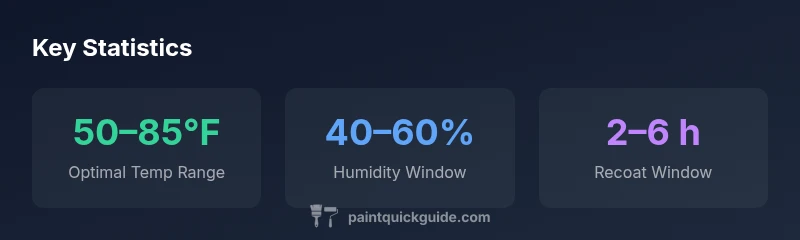
Understanding the temperature to paint outside is essential for proper application and cure of exterior coatings. The sweet spot for many paints is roughly 50–85°F (10–29°C) with moderate humidity, avoiding rapid drying or extended tackiness. Painting outside outside this range can cause poor adhesion, uneven color, and longer cure times, and may require weather windows and surface preparation adjustments. Always consult the manufacturer’s guidelines for your specific product.
Temperature to paint outside: Why it matters
The temperature to paint outside is a primary driver of how the paint behaves from the moment it hits the surface to when it fully cures. Air temperature influences viscosity, solvent evaporation, and film formation, while surface temperature governs tackiness and leveling. When temperatures are too low, thicker films may trap moisture and lead to poor leveling. When temperatures are too high, solvents can flash off too quickly, causing sanding issues and color inconsistency. Humidity compounds these effects; high humidity can slow drying and increase the risk of sags, while very dry air can cause premature skin formation. Understanding this variable helps you predict drying times, adhesion quality, and final appearance. The bottom line: temperature to paint outside can determine whether a project looks flawless or requires touch-ups later.
Ideal temperature ranges for exterior paints
Most exterior paints perform best within a moderate band. For latex/acrylic paints, the commonly recommended range is roughly 50–85°F (10–29°C). Within this window, you’ll typically see steady drying without flash-off problems. Some oil-based finishes tolerate slightly warmer conditions but still benefit from dry, calm air. Always verify the product label for your specific formula, as some brands provide narrower ranges or unique cure recommendations. In addition to air temperature, consider surface temperature, especially on metal or darker surfaces that heat up in sun exposure. When possible, aim to paint during the cooler morning hours or late afternoon to maintain a stable temperature.
Humidity and dew point: The silent influencers
Humidity interacts with temperature to affect how quickly coatings dry. A relative humidity in the 40–60% range is often considered optimal for exterior projects, reducing the risk of high tackiness or extended cure times. Dew point is also critical: painting when the surface dew point is high can trap moisture under the film, leading to blistering or clouding as the coating cures. If humidity is high, you may need to shorten the work window or switch to a faster-drying formulation. If humidity is low but temperatures are high, keep an eye on rapid evaporation that can cause premature film formation and poor flow.
Weather windows and seasonal planning
Weather windows are essential for exterior painting. Spring and fall typically offer more stable temperature ranges and lower risk of rain, but sudden cold fronts or heat waves can disrupt plans. Always check forecasted highs, lows, and dew points for your painting day. If a forecast predicts a drop below 50°F or a rise above 85°F, plan adjustments: reschedule, or prepare a temporary shelter and proper ventilation. Overnight temperatures matter too; if surfaces cool too rapidly, the film may thicken and trap solvents, compromising finish quality.
Practical tips for painting outside across temperatures
- Check product instructions before you start and choose a day within the recommended range.
- Test on a small area to observe how the paint flows and dries under current conditions.
- Use a moisture meter or infrared thermometer to compare air temperature to surface temperature.
- Avoid painting in direct afternoon sun when surfaces heat rapidly; seek shade or use white or light-colored primers to reflect heat.
- Have a plan B if a sudden weather change occurs, such as a portable shelter or moving to interior touch-ups.
Common mistakes and how to avoid them
- Painting at the wrong temperature range: always verify the manufacturer’s guidelines and avoid guesstimates.
- Ignoring humidity and dew point: high humidity or cold dew can ruin film formation.
- Rushing cure times: allow sufficient cure windows according to the product, especially on exterior surfaces exposed to the elements.
- Skipping surface prep when conditions are unfavorable: pre-clean and prime as needed to compensate for suboptimal weather.
Temperature and environmental factors for exterior painting
| Factor | Recommended range | Notes |
|---|---|---|
| Ideal exterior paint temperature | 50–85°F (10–29°C) | Contains latex and acrylic guidance; check product label |
| Humidity range | 40–60% | Moderate moisture improves film formation |
| Recoat window | 2–6 hours | Depends on product and surface temperature |
| Cure window | 24–72 hours | Weather and ventilation affect cure rate |
Your Questions Answered
What is the best temperature to paint outside?
Most exterior paints perform best between 50–85°F (10–29°C). However, always check the label for your specific product, as some finishes have narrower ranges. Plan your project for days within that window and monitor dew point to minimize moisture-related issues.
Aim for 50 to 85 degrees and moderate humidity; check your product label for exact numbers.
Can I paint outside in rain or high humidity?
Painting during rain or when surfaces are wet is unsafe for adhesion and finish quality. High humidity can slow drying and may cause wrinkling or blushing. Always wait for dry conditions and follow product guidance for humidity limits.
No painting in rain or on damp surfaces; wait for dry, low-humidity days.
How does temperature affect dry times?
Higher temperatures generally shorten visible dry times but can shorten open time and cause faster skin formation. Cooler temperatures slow drying and may extend cure times. Always align with product-specific timing and do a small test patch.
Temp changes dry times—warmer speeds up, cooler slows down.
Do different finishes require different temperatures?
Yes. Enamels, latex, and oil-based paints each have recommended temperature ranges. Always follow the label for your finish, and adjust your plan if switching product types.
Different paints have their own temperature needs—check the label.
What happens if I paint outside at very cold temperatures?
Cold temperatures can hinder film formation, cause poor leveling, and lead to cracking or mottling after cure. If cold weather is forecast, delay the project or use temporary heating and moisture control to maintain conditions within the recommended range.
Cold weather can ruin the finish—delay if possible.
How can I handle a weather window that shifts?
Have a flexible plan: select a product with a broader cure window or a faster-drying option, and monitor forecasts closely. Store materials properly so you can quickly resume work when conditions improve.
Keep a backup plan and watch the forecast.
Is there a difference between air temperature and surface temperature?
Yes. Surface temperature often differs from air temperature and directly affects how paint flows and dries. Use a surface thermometer or infrared tool to verify conditions at the paint level before applying.
Surface temp matters more than air temp for painting.
“Temperature and humidity are not optional; they govern how paint films form and how long a project lasts. Planning around weather reduces defects and rework.”
Quick Summary
- Aim for 50–85°F and moderate humidity for best results
- Always follow manufacturer guidelines for your specific paint
- Plan weather windows to avoid dew, rain, or extreme heat
- Verify surface temperature and use patch tests before large applications