Paint Treated Lumber: A Practical How-To Guide
Learn how to properly prep, prime, and paint treated lumber for lasting exterior and interior projects. This PaintQuickGuide tutorial covers surface prep, primer and paint selection, application steps, troubleshooting, and maintenance—crafted for homeowners and DIYers.


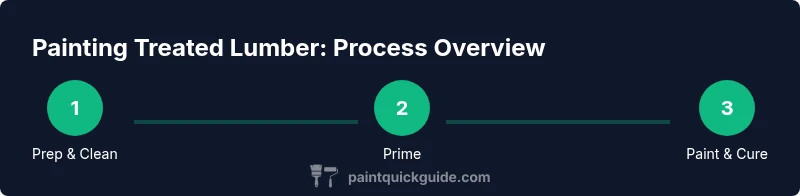
Paint treated lumber by cleaning and drying the surface, priming with a stain-blocking exterior primer, and applying two coats of high-quality acrylic latex paint. Use products labeled for pressure-treated wood and exterior use, and follow manufacturer guidelines for curing before applying the primer or paint.
What is paint treated lumber and why it matters
Paint treated lumber refers to wood that has been chemically treated to resist rot, decay, and insect damage, then finished with paint for added protection and aesthetics. For homeowners, this material is common in decks, fences, and outdoor structures. The PaintQuickGuide team notes that proper painting requires selecting compatible primers and finishes that can bond with the preservatives in pressure-treated wood. When you paint treated lumber, you create a durable seal against moisture and UV exposure, extending the life of your project while maintaining curb appeal. Proper prep and product selection matter as much as technique, so commit to a thorough process from start to finish.
Surface prep basics for painted treated lumber
Effective painting starts with clean, dry wood. Remove dirt, dust, oils, and surface mildew with a mild detergent solution and a stiff brush. Rinse and allow the surface to dry completely; moisture can trap trapped cleaners and hinder adhesion. If the lumber has rough or raised grain, lightly sand with 120- to 150-grit sandpaper to create a uniform surface. Mask nearby edges and vegetation with painter’s tape, and lay down drop cloths to protect surrounding areas. The goal is a stable, clean canvas that promotes even primer adhesion and finish longevity.
Primers, paints, and compatibility with treated wood
Choose primers labeled for exterior wood and pressure-treated lumber, ideally a stain-blocking option that also resists moisture and mildew. For the topcoat, use a high-quality acrylic latex paint formulated for exterior use on wood. Some projects benefit from a bonding primer if the surface is very smooth or where previous coatings have failed. In all cases, read product labels for compatibility with treated lumber—especially if the lumber shows tannin bleed or copper-based preservatives. This compatibility helps prevent peeling and ensures a long-lasting finish.
Application strategies and techniques
Apply primer using a brush or roller to achieve a uniform layer that fully covers the wood grain. Follow with at least two coats of exterior acrylic latex paint for best color payoff and durability. Maintain a consistent technique: work in sections, avoid heavy applications that can sag, and apply thin, even coats rather than thick layers. If you opt for a spray applicator, back-roll to smooth the finish and prevent pooling. Consider weather conditions; painting in extreme heat or direct sun can cause premature drying and poorer adhesion.
Weather, moisture, and cure times for exterior projects
Outdoor projects demand moisture control. Plan painting for a stretch of dry days with moderate humidity and temperatures that won’t cause rapid drying. After applying primer and paint, allow sufficient drying time between coats as specified on product labels. In general, higher humidity or cooler temperatures extend drying times, while wind and sun can shorten them. Always verify that the surface is dry to touch before moving to the next step to ensure the coating cures evenly.
Troubleshooting bonding issues and common pitfalls
If you notice peeling, blistering, or mildew growth after painting, assess surface prep and product compatibility. Re-sand any loose film, clean and dry the surface, and consider a fresh coat of primer focused on problem areas before re-coating. Tannin bleed from the wood can discolor finishes; using a stain-blocking primer helps prevent color bleed-through. Avoid painting directly over damp wood and never seal wood surfaces that still show moisture warnings. Regular inspection and maintenance prevent small issues from becoming big problems.
Maintenance and longevity tips for painted treated lumber
Keep painted surfaces looking fresh by washing them periodically and inspecting for chips or cracks. Promptly touch up damaged areas to prevent water infiltration. Repaint or re-coat as needed, typically every few years depending on climate, wear, and sun exposure. For projects near ground level or in harsh environments, consider additional coats or a more rugged exterior finish to maximize longevity. A regular maintenance plan helps preserve appearance and structural protection over time.
Quick stats and expert tips for treated lumber projects
According to PaintQuickGuide, choosing the right primer and topcoat for treated lumber significantly improves adhesion and longevity. The team emphasizes consistency in preparation—cleaning, drying, and careful layering of primer and paint—as the foundation of a durable finish. For homeowners, sticking to exterior-grade products designed for pressure-treated wood reduces the risk of tannin bleed, blistering, and premature peeling.
Tools & Materials
- Nitrile gloves(Protect hands from chemicals and solvents.)
- Safety goggles(Keep eyes safe from splashes and dust.)
- Respirator mask (N95 or better)(Filter dust and fumes during sanding and cleaning.)
- Drop cloths or plastic sheeting(Protect nearby surfaces and ground.)
- Stiff-bristled brush(Scrub dirt, oils, and mildew from wood.)
- Mild detergent or degreaser(Clean wood without residue.)
- Plastic bucket and sponge(Mix cleaners and apply solution.)
- Painter’s tape(Mask edges and protect adjacent surfaces.)
- Sandpaper (120–150 grit)(Smooth rough grain for better primer adhesion.)
- Vacuum or broom(Remove dust after sanding.)
- Exterior-grade primer for wood(Stain-blocking/adhesion-enhancing primer.)
- Exterior acrylic latex paint(Weather-resistant topcoat.)
- Paint tray and rollers or brush set(Even application of primer and paint.)
- Paint sprayer (optional)(Can speed up coverage; back-roll to smooth.)
- Moisture meter (optional)(Check wood moisture before painting.)
Steps
Estimated time: 2-3 days total (including drying times between coats)
- 1
Clean and inspect
Remove dirt, oils, and mildew using a stiff brush and mild detergent. Rinse and allow to dry completely. Inspect for peeling coatings, rough patches, or visible tannin bleed, which will guide primer choice.
Tip: Wear protective gear and work in a shaded area to avoid rapid drying. - 2
Dry the lumber thoroughly
Ensure the wood is dry to the touch before priming. Warmer, windless days accelerate drying; humid air slows it down. Use a moisture meter if available to confirm dryness.
Tip: Prime only when wood moisture is below manufacturer recommendations. - 3
Apply primer
Apply an even coat of exterior, stain-blocking primer designed for pressure-treated wood. Pay attention to edges and ends where moisture intrusion is most likely.
Tip: Back-brush or back-roll to ensure primer penetrates grain and irregularities. - 4
First paint coat
Brush or roll a thin, even first coat of exterior acrylic latex paint. Avoid heavy builds that can trap solvents or cause uneven drying.
Tip: Keep a wet edge to prevent lap marks. - 5
Second coat
Allow the first coat to dry per product label, then apply a second coat for uniform color and protection against weather. Use the same technique as the first coat.
Tip: If color change is desired, recheck coverage before proceeding. - 6
Inspect and touch up
Inspect for thin spots, drips, or missed areas; touch up as needed. A consistent finish improves longevity and weather resistance.
Tip: Use a small brush for precise touch-ups on edges and tricky joints. - 7
Cleanup
Clean tools with water and mild soap if you used latex paints. Remove tape while the paint is still tacky to avoid peeling.
Tip: Store leftover primer and paint properly for future touch-ups. - 8
Cure and maintenance
Allow the coating to cure fully before exposing to heavy use. Plan routine inspections and recoat cycles based on climate and wear.
Tip: Document a maintenance schedule to keep projects looking fresh.
Your Questions Answered
Can I paint freshly treated lumber or wood that’s just been installed?
Freshly treated lumber should cure according to the manufacturer’s guidelines before painting. If the wood still contains curing moisture, wait and check for dryness; priming on damp wood can lead to poor adhesion and peeling.
Wait for the wood to dry fully as advised by the manufacturer before priming or painting.
What type of primer is best for treated lumber?
Choose a exterior, stain-blocking primer designed for pressure-treated wood. It helps seal tannins and preservatives, improving adhesion for the topcoat.
Use a stain-blocking exterior primer made for pressure-treated wood.
Is oil-based paint acceptable on treated lumber?
Oil-based paints can be used, but many homeowners prefer water-based acrylic latex for easier cleanup and better flexibility. Always follow the paint label for compatibility with treated lumber.
Oil-based paints can work, but acrylic latex is usually easier and better for treated wood.
How soon can I recoat after the first paint layer?
Recoat timing depends on the product’s drying time. Wait until the first coat is dry to the touch and recoat as recommended on the label to ensure a durable finish.
Let the first coat dry as the label suggests, then apply the second coat.
What maintenance tips extend the life of painted treated lumber?
Regular cleaning, prompt touch-ups of chips or cracks, and recoat cycles aligned with climate exposure help extend the finish life. Inspect annually for signs of wear and water intrusion.
Keep it clean, fix gaps quickly, and recoat when the finish shows wear.
Watch Video
Quick Summary
- Prepare wood thoroughly for best adhesion
- Use a stain-blocking exterior primer first
- Apply two coats of exterior acrylic latex paint for durability
- Follow product label drying times between coats
- Inspect and maintain painted lumber regularly