Can You Paint in the Evening? A Practical Guide
Learn how to safely paint in the evening with proper lighting, ventilation, and drying times. Practical tips, tools, and a step-by-step plan from PaintQuickGuide.


Yes—you can paint in the evening with the right setup. The key is balancing lighting, ventilation, and drying times. Plan a small, well-ventilated workspace, choose low-odor paints, and prep surfaces during daylight if possible to keep odors manageable. This guide explains how to do it safely and effectively. With careful timing, you can finish projects in the same evening. Read on for practical steps.
Why Evening Painting Is Possible
Can you paint in the evening? The short answer is yes for many interior projects, provided you respect odor control, ventilation, and drying times. The PaintQuickGuide team notes that evening work is common when you plan a small, contained project and choose materials designed for indoor use. By design, interior spaces can be refreshed after daily activities without sacrificing finish quality, as long as you limit odor travel and keep doors open or fans running to circulate air. This section explains the core idea and sets expectations for outcomes you can actually achieve after dark.
Lighting, Ventilation, and Temperature: The 3 Pillars
Evening painting hinges on three interdependent factors: good lighting, effective ventilation, and stable temperatures. Use bright, diffuse light to avoid shadows that skew color perception. Maintain airflow with a window or fan to reduce lingering odors and improve drying. Temperature should stay above the minimums listed on paint cans, but avoid direct heat sources that can cause rapid drying and brush marks. In practice, you want a comfortable workspace that mimics daytime conditions as closely as possible without compromising safety. These three pillars work together to produce a durable, even finish by nightfall.
Selecting Materials For Evening Projects
Choose water-based, low-odor paints when painting in the evening. Water-based acrylic or latex formulas tend to dry more predictably and with less lingering odor than solvent-based options. Prepare a small color palette on scrap material and test swatches in a hidden area before committing to a full wall. Use a compatible primer if you’re covering stains or drastic color shifts. Accessories matter too: a quality roller, angled brush, and breathable drop cloths help you achieve clean edges and reduce cleanup after you finish.
Surface Prep and Drying Times for Night Work
Surface prep remains critical, even after daylight hours. Clean walls, remove dust, and repair minor imperfections so the finish can cure evenly. Apply thin coats rather than one thick layer to minimize roller marks and extend drying windows. Expect longer drying times if the room is cool or humid; plan an extra hour or two compared to daytime work. Use mild, ventilated fans to encourage evaporation when weather allows. Proper prep and measured coats are the easiest way to prevent rework later.
A Practical Evening Schedule: A Small Project
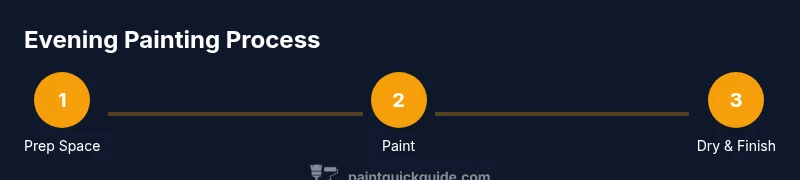
If you’re new to evening painting, start with a small project—an accent wall or a single door—before attempting larger areas. Draft a quick plan: clear space, protect surfaces, gather materials, and set up lighting. Begin by lightly cleaning surfaces, then apply a primer if needed. Follow with two thin coats, allowing appropriate drying between passes. End with a gentle cleanup and ventilated air flow for a safe, comfortable finish that won’t disrupt household routines.
Common Mistakes to Avoid
Common mistakes include painting with insufficient lighting, neglecting ventilation, and rushing coats. Skipping surface prep leads to poor adhesion, while heavy coats trap solvents and create uneven textures. Don’t work with closed doors and stale air—keep a window cracked or a fan running if possible. Finally, avoid late-night paint choices that look different in daylight; always compare color swatches under the actual room lighting before committing to a final color.
Tools & Materials
- Low-odor latex or water-based paint(Choose washable, low-VOC options for indoor use.)
- Primer (if needed)(Use stain-blocking primer on problematic surfaces.)
- Paint rollers and brushes (3/8" nap roller, angled brush 2")(For smooth coverage and clean edges.)
- Paint tray and liners(Single-use liners speed cleanup.)
- Drop cloths and painter’s tape(Protect floors and adjacent surfaces.)
- Mask or respirator(Protect yourself from fumes in confined spaces.)
- Box fan or window exhaust(Improve ventilation without sacrificing safety.)
- Ladder or step stool(Reach higher areas safely.)
Steps
Estimated time: 2-4 hours
- 1
Prepare and protect the workspace
Clear the area, move furniture, and lay drop cloths to protect floors. Tape edges where you don’t want paint to reach and remove wall hangings that might snag brushes. Preparation reduces cleanup later and helps you work more efficiently in the evening.
Tip: Secure drop cloths with weights or tape to prevent slips. - 2
Set up lighting and ventilation
Arrange bright, diffuse lighting to mimic daylight and place a box fan or window exhaust to move air through the room. Proper airflow cuts odors and helps paint dry more evenly. Avoid glare by lighting from multiple angles.
Tip: Position lights at or slightly above eye level to minimize shadows. - 3
Test materials and color under actual lighting
Test color swatches on a scrap area or a small test patch in the room to see how they appear in evening lighting. Confirm there are no surprises in hue or sheen before committing to full coverage.
Tip: Always compare swatches under the same room lighting. - 4
Apply a thin first coat
Load your brush or roller with a small amount of paint and apply thin, even coats. Use long, continuous strokes to avoid lap marks, and maintain a wet edge to blend edges smoothly.
Tip: Thin coats cure more evenly and reduce odor lingering. - 5
Dry, recoat, and ventilate
Allow the first coat to dry until it’s tack-free, then apply a second thin coat for full coverage. Keep air moving during drying; avoid closing the space too early to prevent trapping fumes.
Tip: If the room feels stuffy, extend drying time and run the fan longer. - 6
Clean up and store safely
Wash brushes and rollers promptly, seal cans tightly, and fold drop cloths for reuse. Store leftover paint in a cool, ventilated area away from living spaces.
Tip: Label cans with color and date for future touch-ups.
Your Questions Answered
Is it safe to paint indoors at night?
Yes, it can be safe if you maintain ventilation, use low-odor paints, and avoid overcrowding the space with fumes. Follow the steps in this guide to keep odors manageable and ensure proper airflow.
Yes. With good ventilation and low-odor products, nighttime painting can be safe.
What about odor and ventilation for evening painting?
Ventilation is key. Use a window exhaust or a box fan, keep doors to adjacent spaces closed, and choose low-odor paints. Odor should dissipate during the drying process.
Ventilation and low-odor paints keep odors under control during evening projects.
What paints are best for evening painting?
Water-based acrylic or latex paints are typically preferred for indoors due to lower odor and faster drying in normal room conditions. Check product labels for odor ratings and drying times.
Water-based paints are usually the best choice for evening painting.
How long does it take for coats to dry in cooler evenings?
Drying times lengthen in cooler or humid evenings. Plan extra time between coats and avoid rushing the second layer; test a patch to confirm readiness.
Drier evenings dry faster, but cooler rooms may need a bit more time.
Can I paint outside at dusk?
Dusk can be challenging due to changing light and dew. If you must, choose weather conditions that won’t dampen drying and ensure you have adequate lighting and visibility.
Dusk is possible with good lighting and dry conditions, but indoor painting is usually simpler.
Should I use a fan while painting at night?
A fan can help with ventilation and drying but avoid pointing it directly at freshly painted surfaces to prevent dust or debris from settling. Use it to create gentle airflow.
A fan helps ventilation when painting at night, just don’t blow directly on fresh coats.
Watch Video
Quick Summary
- Plan around drying times and ventilation.
- Choose low-odor paints for indoor evenings.
- Ensure adequate lighting to see color accurately.
- Protect adjacent spaces to simplify cleanup.
- Test color under the room’s evening lighting.