Paint Car: A Step-by-Step Guide to Auto Refinishing
Practical, safe car painting guidance covering prep, primers, base coats, clear coats, finishing, tools, timing, and pro tips to help DIYers achieve showroom-quality results.


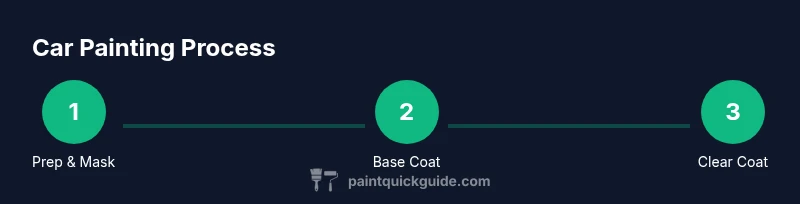
By the end you’ll be able to paint a car like a pro: prepare the surface, apply primer, spray base coats, add clear coat, and achieve a durable, showroom-ready finish. You’ll need a well-ventilated workspace, proper PPE, automotive paints (base coat and clear coat), a spray system, masking supplies, and a reliable humidity/temperature window.
Assessing the Project and Planning
Before you begin painting a car, define the goal: a full color change, refresh, or cosmetic repair. Decide on the paint system—single-stage enamel or basecoat/clear coat—and set a realistic budget. PaintQuickGuide emphasizes that color accuracy, surface condition, and curing conditions drive outcomes more than the equipment you own. Do a daylight color check, note metallic or pearl effects, and plan edge blending for panels that wear first. Map out the workflow: surface prep, primer, base coat, clear coat, and finishing steps. Create a detailed materials list and a masking plan so you’re not scrambling mid-project. This phase saves time and reduces rework, especially when panels require precise color matching. Because you’re painting car surfaces, consider environmental controls and safety gear from the start. According to PaintQuickGuide, thorough planning reduces rework and color drift.
Workspace and Ventilation
A clean, well-ventilated area is non-negotiable for automotive painting. Aim for a dedicated or semi-dedicated spray space with a defined airflow path to pull fumes away from you and the vehicle. If you don’t have a spray booth, improvise with temporary enclosures and high-quality filtration. Maintain stable temperature and humidity within a comfortable range; drastic swings can affect paint film formation and flash times. Protect doors, floors, and nearby surfaces with drop cloths and masking film. Use a portable fan or exhaust system to create a consistent, low-dust environment. Personal protective equipment is essential: respirator with organic vapor cartridges, nitrile gloves, eye protection, and a clean suit. Consistency here prevents dust blisters and solvent headaches that ruin a paint car project.
Tools and Materials Overview
A successful paint car project relies on reliable tools and quality materials. You’ll need a spray system (HVLP preferred), suitable automotive base coat and clear coat, reducers/activators, masking supplies, sandpaper, sanding blocks, a dual-action sander, and a spray gun cleaning kit. A temperature-controlled mixing station helps maintain color accuracy, while clean rags, tack cloths, and degreasers keep surfaces spotless. Paper/foil masking for windows and chrome trim protects the finish. While you can improvise, investing in a few key items—HVLP gun, appropriate nozzle sizes, and a high-quality respirator—greatly improves results and reduces the learning curve. PaintQuickGuide recommends testing color and spray technique on a practice panel before committing to the car.
Surface Preparation and Sanding
Surface prep is where the finish quality starts. Start with a thorough wash to remove oils and contaminants, then inspect for rust, dents, or old coatings that need removal. Sanding provides mechanical key for primers and paints; begin with 320–400 grit to remove gloss, then step up to 600–800 grit for a smoother base. If rust is present, treat it with rust converter and fabricate filler where needed. After repairing, wipe with a tack cloth to remove dust. The goal is a uniform, clean, and dry surface with no feathered edges or bare metal showing. Over-sanding can dull edges; under-sanding creates adhesion problems, so follow the recommended grits closely. A proper blend at panel joins ensures a seamless color transition when you paint car panels.
Primers, Sealers, and Surface Repairs
Primers and sealers are the backbone of a durable finish. Apply an appropriate primer for the body material (steel, aluminum, or plastic) and a sealer over bare metal to prevent oxidation. If you repaired dents or seams, use filler and skim coats, then sand flush with surrounding panels. For repairs, choose high-build filler with binder compatible to your primer and color system. Let primer cure fully, then sand with 600–800 grit to create a smooth, uniform surface. In some cases, a sealant or blocker can prevent staining and ensure color clarity. Remember: primer color can affect final shade, so match or blind-test before base coating.
Applying the Base Coat
Base coat is the color layer that defines the car’s appearance. Shake or mix the color per manufacturer instructions, then adjust reducer for ambient temperature to achieve optimal spray viscosity. Hold the gun around 6–8 inches from the surface and spray in overlapping passes, using light, even coats. Avoid heavy coats that run or sag; instead, apply multiple thin passes to build color gradually. Allow flash times between coats as specified by the product data sheet. For metallics or pearls, apply additional medium coats to achieve the desired reflectivity, then blend at panel edges to avoid hard lines. Pro tip: practice on a test panel to dial in spray pattern and color match before tackling the car.
Color Matching and Blending Techniques
Color matching is critical for a showroom finish. Start with a base color and compare under natural daylight to the existing color, adjusting with tint concentrates only as needed. When bays of color differ, use blending techniques at panel edges to fade into adjacent panels. Duplicating metallics or pearls requires precise layering; avoid abrupt transitions and keep a consistent spray pace. If you’re blending two shades, keep a soft edge and feather the boundary with gentle passes. A well-blended color ensures the repaired area disappears into the rest of the vehicle, and consistent lighting helps confirm evenness across every panel.
Clear Coat Application and Curing
Clear coat adds gloss, depth, and protection. Apply 2–3 thin coats rather than a single heavy coat to minimize runs and solvent entrapment. Maintain even spray distance (about 8 inches) and consistent movement to keep a smooth finish. Allow each coat to flash off as directed by the product data sheet before applying the next. After final clear, let the finish cure in a dust-free environment for the recommended time; avoid exposure to moisture and direct sun during cure. Clear coats require patience; rushing can lead to haziness, orange peel, or solvent pop. If you see defects, address them in the next coat instead of waiting until final polish.
Drying, Curing Windows and Environment
Understanding drying and curing windows is essential for a durable finish. Temperature, humidity, and airflow affect flash times and cure rate. Avoid painting in an environment that’s too humid or too cold; ideal conditions typically lie within manufacturer-specified ranges. Some regions require environmental controls or a temporary enclosure to maintain stable conditions. Post-paint curing can take hours to days depending on the system; plan non-operational periods for handling and assembly. Patience during curing reduces smudges and prevents contamination, helping you avoid rework and achieving a high-quality result when you paint car surfaces.
Finishing, Polishing, and Protection
Once cured, the surface can be wet-sanded and polished to achieve glass-like clarity. Start with a fine grit (1500–2000) and work up to a high-cut compound, then finish with a clean polish and protective wax or sealant. Polishing reveals depth and color richness, but aggressive compounding can dull edges—stop when you see a clear, smooth reflection. Protect the finish from UV and contaminants with waxes or synthetic sealants. Regular maintenance, including quick wipe-downs and prompt removal of tar or bird droppings, helps preserve the new look. Proper finishing enhances longevity and maintains the color integrity you achieved when painting car panels.
Troubleshooting and Maintenance
Common issues include runs, orange peel, dust nibs, and color mismatches. If you see a run, feather or re-spray the affected area with light passes after proper masking. Orange peel can be minimized by adjusting spray parameters or using a higher-quality reducer; wet-sand and re-polish to restore gloss. Dust nibs are reduced with better filtration and a cleaner work environment. For color mismatches, verify color formulation, re-test color on a practice panel, and perform panel blending. Ongoing maintenance—washing, waxing, and protecting edges—extends the life of your finish and prevents early wear.
Authoritative sources
- OSHA: https://www.osha.gov/
- EPA: https://www.epa.gov/
- NIOSH: https://www.cdc.gov/niosh/
Note: Always follow local regulations for paint materials and hazardous waste disposal. For more in-depth safety and environmental guidance, consult the linked resources and manufacturer data sheets.
Tools & Materials
- HVLP spray gun (auto-grade)(Choose a gun with a 1.3–1.4 mm nozzle for base coats; 1.0–1.3 mm for primers.)
- Air compressor or turbine system(Ensure adequate CFM for consistent spray at your chosen nozzle size.)
- Respirator with organic vapor cartridges(Fit test and seal check before use.)
- Car-safe masking film and tape(Mask trim, windows, and emblems thoroughly.)
- Automotive base coat and clear coat(Select compatible components from the same product line.)
- Reducer/Activators(Match to ambient temperature and paint system.)
- Sanding blocks and sandpaper (grits 320–800)(Use waterproof paper for wet sanding where recommended.)
- Tack cloths and lint-free rags(Keep surfaces dust-free before coatings.)
- Filler and primer (high-build if needed)(Choose compatible with the substrate.)
- Polishing compounds and finishing wax(Use 3–step process for best gloss.)
- Infrared lamp or heat source (optional)(For faster curing in cool environments.)
Steps
Estimated time: 12-20 hours
- 1
Prepare workspace and safety gear
Set up a clean, dust-free area with good ventilation. Don everything from respirator to coveralls. Ensure lighting is bright and shadows are minimized so you can see the paint’s true color and texture.
Tip: Test the respirator fit with a user seal check before starting. - 2
Wash and inspect the car
Thoroughly wash the exterior and remove wax, tar, and oils. Inspect for rust, dents, or damage that will affect adhesion or appearance. Document any issues for later repair.
Tip: Use a clay bar on stubborn contaminants for a smooth surface. - 3
Sand and repair defects
Sand the old finish to remove gloss and create key for primers. Repair rust and dents with appropriate filler, then sand flush with surrounding panels.
Tip: Avoid gouging edges; keep feathering shallow to blend repairs. - 4
Mask off areas to protect
Mask windows, trim, lights, and tires to prevent overspray. Use multiple layers of masking tape and paper for sharp lines.
Tip: Secure edges with extra tape to resist lift during spraying. - 5
Apply primer/sealer
Spray an even primer or sealer layer; allow to flash off and cure per product data sheet. Sand lightly with 600–800 grit after curing to remove imperfections.
Tip: Do a quick test spray on a panel to confirm coverage. - 6
Sand the primed surface
Block sand primer to a uniform finish. Clean the surface with a tack cloth to remove dust.
Tip: Keep consistent pressure and straight strokes to avoid gouges. - 7
Mix and apply base coat
Prepare base color following manufacturer directions. Spray in light, overlapping passes with uniform speed and distance.
Tip: Back-roll or back-swipe to smooth out any peixe or debris. - 8
Build color and blend edges
Apply additional coats as needed, blending at panel edges for seamless color. Check under daylight for uniform brightness and shade.
Tip: Keep a consistent air pressure to avoid heavy or thin spots. - 9
Apply clear coat
Spray 2–3 thin clear coats with proper flash times. Avoid heavy coats to prevent runs and varnish haze.
Tip: Ensure the temp is within spec to prevent solvent pop. - 10
Cure and maintain
Allow the finish to cure in a dust-free environment. After cure, perform wet sanding and polishing to achieve high gloss.
Tip: Avoid touching the surface during cure to prevent fingerprints. - 11
Final inspection and care
Inspect for defects; perform touch-ups if necessary. Wash with automotive shampoo and apply protective wax to preserve shine.
Tip: Document the process for future color matching and rework.
Your Questions Answered
What is the best type of paint for a car?
The best choice depends on goals and budget: basecoat/clear coat for color depth and durability, or single-stage enamel for simpler jobs. Always choose automotive-grade products designed for sheet metal. Match the system to your color and environment, and follow the manufacturer’s instructions for mixing and curing.
For most DIY auto refinishing projects, basecoat with a clear coat offers depth and durability, while single-stage is simpler but less forgiving. Always use automotive-grade products and follow the product instructions.
Do I need a professional spray booth?
A professional spray booth provides ideal airflow and filtration, reducing dust and solvent exposure. If you’re DIY-ing, create a controlled, well-ventilated area with filtration, minimize dust, and wear proper PPE. Always check local regulations on ventilation and emissions.
A real spray booth helps a lot, but a clean, ventilated DIY space with good filtration can work with careful setup and safety gear.
How long does it take to paint a car?
Total time varies by size, environment, and equipment, but plan for several hours of prep and multiple spray sessions over a couple of days. Curing may extend the process beyond application. Always follow product-specific cure times and avoid rushing.
Plan for multiple sessions over a couple of days; drying and curing add time beyond the actual spraying.
Can I paint over faded clear coat?
In most cases, you should remove or recoat over faded or yellowed clear coat rather than sanding through color layers. Abrade and recoat properly to restore gloss and color; skipping this step can lead to hazy results and adhesion issues.
If the clear coat is degraded, it's best to recoat after proper prep to avoid hazy results.
Is it safe to spray indoors?
Spraying indoors is possible with proper ventilation, filtration, and fire safety measures. Use a dedicated spray space or a portable enclosure, ensure exhaust air is vented outside, and keep ignition sources away. Always wear PPE and follow local regulations for VOCs and waste disposal.
Yes, indoors can work with a proper setup and safety precautions, but outdoor or controlled spaces are safer and easier to manage.
Watch Video
Quick Summary
- Plan thoroughly before you paint car surfaces.
- Use proper masking, ventilation, and PPE at all times.
- Apply thin, even coats and allow appropriate flash times.
- Achieve color accuracy with careful blending and testing.
- Finish with curing, wet-sanding, and polishing for durable gloss.