How to Get Paint Off Car: Safe DIY Removal Guide
Learn practical, safe methods to remove unwanted paint from your car without damaging the finish. This guide covers prep, solvents, clay bars, masking, and finishing steps to restore shine and protection.


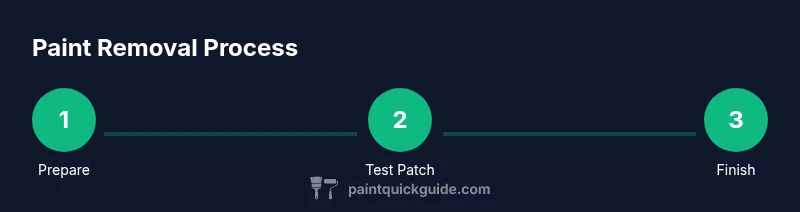
To remove paint from your car safely, follow a controlled, stepwise process: wash and dry the area, test a remover on an inconspicuous spot, apply a gentle solvent or clay bar, scrub and lift the paint with fine pads, rinse, repeat as needed, then polish and wax to restore shine.
Why removing paint from a car matters
If you're learning how to get paint off car, understanding the implications helps you plan a safe, effective fix. According to PaintQuickGuide, taking a deliberate, measured approach reduces the risk of damaging the clear coat and surrounding finish. Unwanted paint can come from overspray, tree sap, or contact with other vehicles, and attempting aggressive scrub or harsh chemicals can dull edges, lift base coats, or cause micro-scratches. The goal is to remove only the undesired layer while preserving the vehicle's original shine. This section outlines the fundamental principles: assess the paint, identify the finish, and decide whether DIY removal is appropriate or if professional refinishing is the better option.
Understanding the difference between overspray, stencil marks, and cured automotive paint helps you choose the right method and avoid over-aggressive actions that could compromise the integrity of your clear coat.
Safety and prep basics
Before you touch any painted surface, prepare yourself and the workspace. PPE is non-negotiable: safety glasses or goggles, nitrile gloves, and a respirator or mask if you’re using solvents. Ensure good ventilation and work in a shaded area to prevent rapid evaporation of chemicals. Test a small, inconspicuous patch on the car to see how the finish responds before applying anything broader. Keep a damp towel handy to wipe off residue and frequently check your progress to avoid material buildup. According to PaintQuickGuide, patient, patch-based testing reduces the risk of unexpected finish damage and helps you tailor your approach to your vehicle’s specific coatings.
Also, shield nearby panels, trim, and decals with painter’s tape and a drop cloth or plastic sheeting to keep solvents from spreading.
Assessing the paint: types and challenges
Not all paint removal scenarios are the same. You may be dealing with overspray, cured enamel, or old single-stage paints that respond differently to solvents and abrasives. Start by evaluating whether the paint is a recent blemish or a deep sealant layer from past repairs. If the paint is only in the topcoat layer, a light touch with clay bars or a mild solvent should suffice. For embedded contaminants or thicker coats, you may need longer dwell times or more aggressive but controlled methods. Always review the vehicle’s finish type, as harsh approaches can strip or haze clear coats. PaintQuickGuide emphasizes adapting your technique to the finish to minimize risk.
Keep in mind that softened or softened films can readhere if you rush the process.
Surface prep: cleaning, masking, and protecting
Begin with a thorough, gentle wash to remove surface grime. Use a dedicated automotive soap and warm water, then dry with a microfiber towel to prevent water spots. Mask nearby areas with tape and plastic to prevent aerosolized solvents from hitting chrome, rubber seals, or adjacent panels. Create a small workspace with good lighting so you can clearly see the paint you’re removing. A clean, oiled rag can help you evaluate how well the paint is releasing. When done, wipe the area with a light solvent test to confirm the surface is ready for removal steps. Masking and prepping are essential to protect the rest of the vehicle and ensure consistent results.
Step-by-step methods: solvent-based vs mechanical
You have two primary routes: solvent-based removal or mechanical action like clay bars and polishing. Solvent-based methods use automotive-safe removers that loosen the paint film; apply a small amount, work in a circular motion, and wipe away with a clean cloth. Mechanical methods rely on lubricated clay bars or soft pads to lift contaminants without scratching the paint. Each method has its own governing rules: solvents require ventilation and patch testing; clay bars need ample lubricant to float particles. For delicate finishes, start with the gentlest option and escalate only if necessary. PaintQuickGuide recommends starting with clay bar and polish for minor blemishes and moving to solvent-based methods for more stubborn areas, always testing first.
Document your progress and stay mindful of the finish’s integrity while you work.
Finishing touches: polishing and protection
After removing the undesired paint, restore the gloss with a fine polish that matches your vehicle’s finish, then wipe clean. A final wax or sealant adds protection against UV exposure and environmental contaminants. Buff the area to a uniform shine and compare to surrounding panels to ensure evenness. Remember, improper finishing can leave micro-marring or swirl marks that diminish the look of your paint. Regular maintenance with a quality wax will extend the image and the life of the finish. The right finishing steps help return your car to showroom quality while preserving long-term value.
Common mistakes and how to avoid them
Common errors include skipping a patch test, using overly aggressive tools, and rushing the process. Avoid applying solvent near edges or rubber seals where runoff can cause discoloration or staining. Do not over-wipe or rub the same spot repeatedly, which can mar the clear coat. Always work in small sections and monitor the surface for color lift or hazing. If you notice any negative reaction, pause and reassess rather than continuing with the same approach. Slow, deliberate actions yield the best results and minimize risk to your car’s finish.
Maintenance after paint removal: prevention and care
Once you finish, protect the area with a dedicated wax or sealant to guard against future contaminants and sun exposure. Establish a routine of regular washing with car-safe soap, quick detailers, and periodic polishing to maintain the restored surface. Use high-quality tools and consider a clay bar treatment periodically to remove new surface contaminants before they embed. If overspray or new blemishes appear, address them promptly to avoid long-term damage. Proper maintenance helps your repair stay visually flawless and protects the vehicle’s value over time.
Authority references and safety notes
For safety guidelines and best practices related to solvents and physical removal methods, consult authoritative sources such as OSHA and NHTSA guidelines. This article references standards and recommendations from major publications to ensure you work safely and effectively. Always read product labels and ensure compatibility with your vehicle’s coatings. See the following references for further details: OSHA.gov, NHTSA.gov, and ACS Publications. This ensures you have credible, safety-conscious guidance while performing paint removal tasks.
Tools & Materials
- Car wash soap and water(Use a dedicated automotive soap; warm water helps.)
- Microfiber towels(Lint-free for safe wiping and polishing.)
- Clay bar kit(Have lubricant included in the kit; avoid dry clays.)
- Soft scrubbing pads(Non-abrasive pads prevent scratches.)
- Automotive paint remover/solvent(Choose a product labeled for automotive finishes; test patch first.)
- Masking tape and plastic sheeting(Protect adjacent areas from solvents and splatter.)
- Safety goggles(Eye protection is essential when using solvents.)
- Nitrile gloves(Protect skin from chemicals.)
- Respirator or mask(Ventilated work area; follow product label.)
- Fine polish and wax(Restore gloss and protection after removal.)
Steps
Estimated time: Estimated total time: 2-4 hours
- 1
Prepare workspace and protect areas
Set up in a well-ventilated area with shade. Put on PPE and lay down protective coverings. Mask nearby panels to prevent solvent contact. This step reduces risk and keeps the car clean as you begin.
Tip: Double-check masking and ventilation before applying any products. - 2
Wash and dry the panel
Clean the surface with automotive soap and water, then dry with a microfiber towel. Removing dirt helps you assess the true paint condition and prevents scratching during removal.
Tip: Dry in multiple passes to avoid water spots; inspect for remaining contaminants. - 3
Test a patch on an inconspicuous area
Apply a small amount of remover on a hidden spot and wait a few minutes to observe the reaction. If the finish shows no adverse effects, proceed with cautious application on the target area.
Tip: If color lifts or hazing occurs, stop and reassess method or consult a pro. - 4
Apply solvent or use a clay bar with lubricant
Lightly apply remover or lubricate the clay bar according to product instructions. Work in small circular motions, keeping the pad or cloth flat to avoid digs in the paint.
Tip: Do not dwell too long in one spot; frequent check for residue is essential. - 5
Gently lift paint and wipe away
As the paint loosens, wipe with a clean microfiber to remove lifted material. Continue gradually until the area shows a clean surface and even finish.
Tip: Change cloths often to prevent re-depositing contaminants. - 6
Rinse and re-evaluate the area
Rinse the treated area to remove residue. Reassess for remaining paint, and repeat steps if needed with the gentlest method possible.
Tip: Avoid oversaturation that can saturate sealants or underlying layers. - 7
Polish to restore gloss
Apply a fine polish to restore shine and remove minor micro-marring. Use a soft pad and follow with a clean cloth to check for uniform reflectivity.
Tip: Polishing helps blend the area with the surrounding finish. - 8
Seal with wax or protective coating
Finish with a protective wax or sealant to guard against UV rays and contaminants. Buff to a consistent shine and inspect for evenness with the rest of the panel.
Tip: Allow adequate curing time per product instructions before washing again.
Your Questions Answered
Is DIY paint removal safe?
DIY paint removal can be safe if done carefully with proper PPE, ventilation, and patch testing. Always start with the gentlest method and monitor the finish for signs of damage.
DIY paint removal can be safe if you test first and protect the finish. Start with gentle methods and watch the surface closely.
Will removing paint damage the car's clear coat?
Yes, aggressive or improper techniques can dull or scratch the clear coat. Use light pressure, correct lubricants, and test patches before broader application.
Aggressive methods can harm the clear coat. Use proper lubrication and test patches before proceeding.
What solvents are safe for automotive finishes?
Look for products labeled for automotive finishes and follow the manufacturer’s directions. Ventilate the area and perform a patch test to ensure compatibility with your paint.
Choose automotive-specific solvents and test on a hidden area first.
How long does the process typically take?
For minor spots, expect 1 to 2 hours; for larger areas with stubborn paint, plan several hours and work in stages to avoid damage.
Smaller areas take about an hour or two; larger jobs can take several hours in stages.
Should I wax after removing paint?
Yes. Wax or sealant helps protect the newly exposed surface and restore gloss. Wait for any solvents to cure per product directions before applying wax.
Yes, wax after removal to protect and shine the area.
Watch Video
Quick Summary
- Wear proper PPE and ventilate your workspace.
- Test patches before committing to removal.
- Choose gentle methods first and escalate only if needed.
- Finish with polish and wax to protect the restored surface.