How to Clean Paint Off Concrete: A Practical Guide
Learn proven methods to safely remove paint from concrete surfaces. This in-depth guide covers water-based and solvent-based paints, tools, step-by-step techniques for homeowners and DIYers, plus tips to prevent damage and stains.


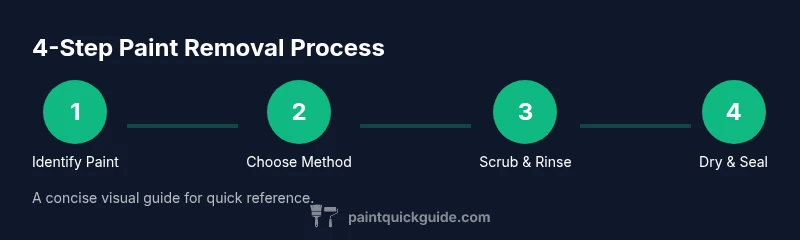
To clean paint off concrete, start by identifying the paint type, test a small area, then choose a method: use warm water and detergent for water-based paints; mechanical scrubbing for dried latex; for oil-based or graffiti, apply a solvent (mineral spirits or acetone) with care, rinse, and repeat as needed. Always wear safety gear.
Understanding how paint bonds to concrete
Concrete is porous and contains cement paste that soaks up liquids. Paint adhesion depends on surface texture, moisture, and contaminants. According to PaintQuickGuide, porosity and moisture balance determine how well paint sticks, so prep matters. In this section, we explore why some paints refuse to come off and what that means for cleaning. We’ll discuss the differences between fresh and aged coatings, acrylic latex, solvent-borne paints, and coatings like epoxy or polyurethane. For DIY projects, you’ll often find water-based acrylics on garages, driveways, or basement floors; oil-based paints and newer elastomeric coatings can cling more stubbornly. Understanding these factors helps you choose a strategy that minimizes damage to the concrete while maximizing paint removal. The goal is to remove paint without scouring or etching the surface, leaving a clean, ready-to-seal substrate. We’ll cover prep steps, differences by paint type, and practical guidelines to plan a successful cleanup.
Safety considerations and protective gear
Cleaning paint off concrete often involves solvents and dust. Protect yourself and others by wearing a fitted respirator or at least a dust mask, safety goggles, and chemical resistant gloves. Work in a well-ventilated area, especially when using solvents. Cover surrounding plants and flooring, and keep kids and pets away. Dispose of rags and used solvents according to local regulations. If you suspect lead paint, pause and consult guidelines. Always ventilate and take breaks if you feel dizzy or nauseated. Following proper safety practices keeps your project progressing without health risks.
Paint types and how removal strategies differ
Paints vary in hardness and binding strength. Water-based acrylics are usually easier to remove with detergents and scrubbing, while oil-based paints, epoxy coatings, and elastomerics often require stronger cleaners or mechanical action. PaintQuickGuide analysis shows that the bond strength correlates with both paint type and substrate preparation; a clean, dry concrete surface accepts removal methods more predictably. If the surface has a glossy sealer or wax, you’ll likely need more aggressive cleaning or a brief solvent application. Knowing the paint family helps you pick the least invasive method that still works, protecting the concrete’s texture and color. Always test a small area first before committing to a full removal.
Detergents and mechanical cleaning methods
For most household work, start with a mild detergent and mechanical scrubbing. Mix warm water with a few drops of dish soap, and apply with a stiff nylon brush. For stubborn edges, use a plastic scraper to lift loose paint without gouging the concrete. Rinse frequently to monitor progress, which prevents re-deposition of lifted pigment. If the coating is resistant, re-wet and repeat, keeping a consistent scrubbing pattern to avoid streaks. This gentle approach is safe for both interior and exterior concrete surfaces and minimizes risk to sealers and dyes.
Chemical solvents and how to use them safely
When paint remains stubborn, solvents can help. Options include mineral spirits for oil-based paints, acetone for some lacquer- or spray-based coatings, and specialty paint removers designed for concrete. Always test a patch first on an inconspicuous area, work in a ventilated space, and wear a respirator or organic vapor mask. Apply solvent with a cloth or brush, allow 5–15 minutes for penetration, then scrub and wipe away. Rinse thoroughly with clean water and let the surface dry completely before proceeding with any sealer or repaint. Avoid mixing solvents and keep containers sealed when not in use.
Step-by-step approach for a typical removal project
- Identify paint type and test a patch on an inconspicuous area to choose the safest effective method.2. Protect nearby surfaces with plastic sheeting and keep pets away.3. Pre-wet the area to minimize dust and keep cleaners from drying too quickly.4. Scrape away loose material with a plastic putty knife, working from the edges inward.5. Apply the chosen cleaner (detergent or solvent) and let it sit briefly to penetrate.6. Scrub with a nylon brush, reapply cleaner as needed, and move in small circular motions.7. For stubborn paint, repeat steps 5–6 or switch to a stronger method while observing the surface.8. Rinse thoroughly, inspect, and repeat if any paint remains. Estimated total time: 2-3 hours plus drying time.
Aftercare: rinsing, drying, and sealing
Rinse the surface with clean water until all residue is removed. Allow the concrete to dry completely before applying a sealer, stain, or next coat of paint. Outdoors, sun and breeze speed drying; indoors, use fans to accelerate. If desired, apply a compatible sealer to prevent future stains and ease cleanup. Document what method worked best for future projects and consider testing a small area whenever you switch paint types or brands. Proper drying and sealing extend the life of the concrete and simplify maintenance.
Troubleshooting common issues and mistakes
If paint lingers after cleaning, avoid aggressive brushing that can scratch the concrete. Reassess the paint type and try a second pass with a different method, ensuring you do not overdamp the surface. Over-wetting can lead to rolling or pooling of cleaner residues; always rinse thoroughly and let dry. Streaking often results from uneven scrubbing pressure—keep consistent contact and use a clean brush. If the surface feels rough or etched after removal, consult a concrete refinisher for professional guidance and avoid sealing until the surface is re-smoothed.
Tools & Materials
- Stiff nylon brush(For scrubbing without gouging concrete)
- Plastic putty knife(Lift loose paint edges without scratching)
- Bucket(Mix cleaners and rinse water)
- Mild detergent(Dish soap or specialized concrete cleaner)
- Sponge or microfiber cloth(Wipe residues after rinsing)
- Rubber gloves(Protect skin from cleaners)
- Safety goggles(Protect eyes from splashes)
- Respirator or organic vapor mask(Important if using solvents)
- Mineral spirits (or acetone)(Use only when necessary and with ventilation)
- Plastic sheeting or drop cloths(Protect nearby surfaces)
- Sealant or stain (optional)(Apply after drying if sealing is planned)
Steps
Estimated time: 2-3 hours plus drying time
- 1
Identify paint type and test patch
Begin by identifying whether the coating is water-based, oil-based, or epoxy. Apply a small amount of cleaner or solvent to a hidden patch and observe for color lift, softening, or a reaction. This helps you choose the safest, most effective method for the main area.
Tip: Always start with the gentlest method on a discreet spot. - 2
Protect surrounding areas
Cover adjacent floors, walls, and any plants or metal surfaces with plastic sheeting. Tape edges to prevent solvent seepage. Adequate protection reduces collateral damage and makes cleanup easier.
Tip: Double-check corners and thresholds for gaps. - 3
Pre-wet the surface
Lightly moisten the concrete with clean water before applying cleaners. A damp surface helps prevent the cleaner from drying too quickly and reduces dust formation during scrubbing.
Tip: Avoid soaking the area if there are electrical components nearby. - 4
Lift loose paint edges
Use a plastic putty knife to gently lift any loose edges. Work from the outside of the patch toward the center to prevent tearing larger areas. Do not force stubborn sections, or you may gouge the concrete.
Tip: Keep the blade angled away from the surface to minimize damage. - 5
Apply cleaner and scrub
Apply your chosen cleaner (detergent or solvent) according to label directions. Let it sit briefly to penetrate, then scrub with a nylon brush using circular motions. Rinse and repeat as needed.
Tip: Switch directions with your scrubbing to cover all fibers of the surface. - 6
Tackle stubborn areas
For persistent paints, reapply cleaner or switch to a stronger method, ensuring adequate ventilation. Avoid prolonged solvent exposure on bare skin or near heat sources.
Tip: If using solvents, work in short intervals with breaks. - 7
Rinse thoroughly
Flush the entire area with clean water until all residues are gone. Inspect the surface for remaining pigment and dry spots. Proper rinsing prevents staining and future buildup.
Tip: Use a hose or spray bottle to control water flow. - 8
Dry and evaluate
Allow the concrete to air dry completely. Check for uniform color and texture. If needed, re-clean any missed spots and consider sealing once dry.
Tip: Do not seal until the surface is fully dry to avoid trapping moisture.
Your Questions Answered
What is the safest method to remove paint from concrete?
Start with water-based cleaners and mechanical scrubbing. Move to solvents only if needed, and always test on a small area first.
Start with gentle cleaners and scrubbing; if necessary, test a small patch before using stronger chemicals.
Can I use a pressure washer to remove paint from concrete?
Pressure washing can help, but use low pressure and a wide spray to avoid damaging the surface. Test on a small area first.
Yes, but keep the pressure low and test first to prevent etching.
Will chemical strippers damage the concrete or finishes nearby?
Some strippers can roughen or discolor concrete if misused. Always test, use the product as directed, and rinse thoroughly.
Some strippers can affect the surface, so test first and rinse well.
Is it possible to remove paint without chemicals?
Yes, deterring with detergents and mechanical scrubbing can remove many paints. Heavier coatings may still require solvents.
Sometimes you can do it with scrubbing and detergents, but some coatings need solvents.
How long does it take to remove paint from concrete?
Timing depends on paint type, area size, and method. Plan for multiple passes and drying periods between steps.
It varies, but expect several passes and some drying time.
Can I seal the concrete after cleaning?
Yes. Ensure the surface is completely dry before sealing to maximize adhesion and stain resistance.
Yes—seal after it’s fully dry.
Watch Video
Quick Summary
- Identify paint type before cleaning.
- Start with gentle detergents and mechanical scrubbing.
- Use solvents only when necessary and with ventilation.
- Rinse thoroughly and allow to dry before sealing.
- Document what works for future projects.