Fix Car Paint Scratch: A Practical DIY Guide
Learn how to fix car paint scratches with a practical, step-by-step DIY guide. Assess depth, choose the right method, and protect your finish with pro tips from PaintQuickGuide.


According to PaintQuickGuide, you can fix minor car paint scratches at home by following a clear, step-by-step process. Start with assessing depth, then choose a suitable method (rubbing compound for light scratches, touch-up for deeper chips) and seal with clear coat. You’ll need a clean area, shade, basic tools, and careful patience.
What is a car paint scratch and when to fix it
A car paint scratch is any mark that penetrates the clear coat or color layer of your vehicle’s finish. Not all scratches require the same fix, and the decision to repair depends on depth, location, color match, and your cosmetic goals. Small, superficial scratches that only affect the clear coat are the best candidates for at-home repair, while deeper chips that expose basecoat or primer may need more advanced work or professional help. The PaintQuickGuide team notes that addressing these blemishes early can prevent rust and corrosion in exposed climates, and it helps preserve resale value. Start with a calm, shaded workspace, gather the right tools, and set realistic expectations about blending and color matching. Even modest improvements can greatly improve the appearance, and you’ll learn techniques that are transferable to other parts of the car or to future projects. This guide emphasizes safety, patience, and attention to detail as the keys to a durable, visually pleasing result.
Assessing scratch depth: clear coat, basecoat, and color
To decide the best repair method, you must gauge how deep the scratch goes. If the scratch only scuffs the surface and you cannot feel it with your fingernail, it’s likely confined to the clear coat. If you can catch the edge with your nail, the basecoat or beyond may be involved. PaintQuickGuide Analysis, 2026 suggests a simple depth test: clean the area, dry it, and run your finger gently over the scratch—any resistance or grinding feel indicates a deeper layer. Compare the repaired area to the surrounding paint under bright light; slight color variation or run-in lines often reveal the need for a targeted approach rather than a full repaint. In some cases, color matching can be tricky if the basecoat has faded due to sun exposure. Document the area with photos for reference, especially if you plan to seek professional help later.
Choosing the right repair method: polish, touch-up, or full repaint
For shallow clear-coat scratches, polishing with a fine compound and careful blending can restore gloss and disguise the mark. Deeper scratches that expose color require a more precise fix: color-matched touch-up paint, followed by layering clear coat to rebuild the finish. If color matching is uncertain or the scratch is large, a professional color blend may be necessary to avoid halos or mismatches. This decision process benefits from realistic expectations: a DIY fix can be very effective for cosmetic flaws, but it is rarely a perfect match to factory finish in every light. The goal is to minimize visibility while preserving the integrity of the sealant and the vehicle’s overall color.
Preparing your workspace and safety considerations
Choose a clean, shaded area with stable temperature. Remove dust and wash the area gently with mild soap to prevent abrasive particles from scratching the surface during repair. Protect surrounding areas with masking tape and lightweight paper or film to avoid accidental overspray. Wear gloves to keep oils from your hands off the finish and work with soft microfiber towels to prevent micro-scratches. Having a small work light helps you see the depth and blending as you go. This preparation minimizes errors and makes the refinement process more predictable. PaintQuickGuide emphasizes patience; rushing can lead to uneven color and texture.
The repair workflow for minor scratches (overview)
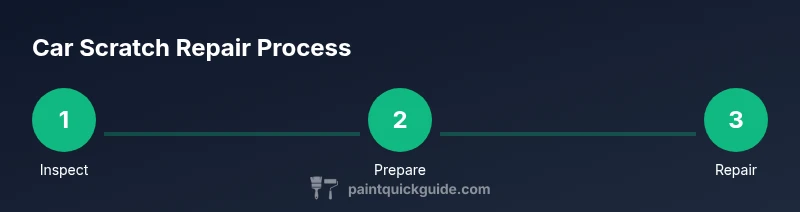
Here is a concise workflow you can apply to many shallow marks: 1) clean, dry, and inspect; 2) test depth as described above; 3) choose a polishing method or a color-free polish if needed; 4) if color is involved, apply a color-matched touch-up sparingly; 5) apply a thin clear coat layer and allow it to cure; 6) finish with light polishing and wax to protect. Each step reduces the chance of further damage and improves the blend with surrounding paint. This overview should not replace the detailed steps in the Step-by-Step section, but it provides a mental map before you begin. Keep expectations modest; even small improvements can be satisfying, and you gain experience for future fixes.
Maintenance after repair: sealing, waxing, and protection
After the repair is complete, seal the area with a quality wax or sealant to restore gloss and provide a protective barrier against UV light and dirt. Regular washing with a mild soap and a soft cloth prevents new scratches from setting in. Use a dedicated car polish every few months to keep the finish smooth and prevent dullness. If the repaired area begins to look hazy or shows edge halos in direct sun, revisit the area to refresh the clear coat. These steps help maintain the fix and extend the life of the finish.
When to seek professional help
Some scratches are beyond DIY repair, especially those that penetrate multiple layers, trace across curved surfaces, or involve metal panels. If you notice color mismatch, depth into basecoat, or a persistent rough texture after polishing, a professional refinish may be the best option. A shop can blend color to match the car’s overall finish and apply durable protection. The early investment can prevent rust and expensive repainting later.
Tools & Materials
- microfiber towels(lint-free; 2–3 towels recommended)
- rubbing compound or fine polish(choose a non-abrasive formula for beginners)
- color-matched touch-up paint or pen(exact color match to your car's code)
- masking tape(protect adjacent panels during application)
- clear coat (baked or spray-on)(use compatible with the touch-up paint)
- car wax or sealant(final protection after curing)
- soap and water for initial cleaning(mild dish soap works; avoid harsh cleaners)
Steps
Estimated time: 60-120 minutes
- 1
Clean and inspect the area
Wash the panel with mild soap and dry completely. Inspect the scratch under good lighting to establish a baseline and identify any hidden damage. This step prevents grit from causing new scratches during later steps.
Tip: Use a dedicated microfiber cloth to avoid introducing new scratches. - 2
Assess depth and plan
Gently feel the scratch with a fingernail. If you can catch the edge, plan for color-matched touch-up and clear coat. If it’s only a surface scuff, polishing may suffice. Document the area with photos for reference.
Tip: Take a photo in daylight to compare color after repair. - 3
Polish shallow scratches
Apply a small amount of rubbing compound to a clean microfiber pad and gently rub in a circular motion over the scratch. Wipe clean and recheck the gloss and depth. Repeat sparingly until the mark fades.
Tip: Avoid heavy rubbing; excessive polishing can dull the finish. - 4
Apply color-matched touch-up
If basecoat is exposed, apply a thin layer of color-matched paint with a fine brush or pen. Allow to dry following the product’s instructions, usually minutes to hours. Build in ultra-thin layers to avoid buildup.
Tip: Less is more; multiple ultra-thin coats blend better than one thick coat. - 5
Seal with clear coat
Once color is dry, apply a thin clear coat over the repaired area. Allow proper cure time per product guidelines. This seals the repair and aids blending with surrounding paint.
Tip: Mask surrounding areas to prevent overspray. - 6
Final polish and wax
After curing, perform a light polish to refine texture, then apply wax or sealant for long-lasting protection. Regular maintenance helps the repair blend over time and preserves gloss.
Tip: Patience during curing yields the best gloss and durability.
Your Questions Answered
Is it possible to fix a car paint scratch at home?
Yes, many minor scratches can be improved at home with proper cleaning, depth assessment, and the right tools. Deeper color gaps may require professional repairs.
Yes, you can fix most minor scratches at home if you follow the steps carefully.
How can I tell if a scratch is deep or just in the clear coat?
If you can feel the scratch with a fingernail, it likely extends beyond the clear coat. A shallow scratch is usually only a surface scuff.
If your fingernail catches on the scratch, it’s probably deep. If not, it’s likely surface-level.
Do I need color-matched touch-up paint for every scratch?
Not every scratch requires color touch-up. Shallow clear-coat scratches may be fixed with polishing alone. Deeper chips that show color require color-matched paint and sealant.
Only if color is involved; otherwise polishing may suffice.
Will polishing damage the clear coat?
Polishing with the right compound and technique should not damage the clear coat. Use a light touch and stop if you see dulling or hazing.
Use gentle pressure and a fine compound to avoid dulling the finish.
How long should I wait between coats of touch-up paint and clear coat?
Follow the product guidelines; many options require minutes between thin coats and longer between color and clear coat. Rushing can cause runs or color mismatch.
Usually minutes between coats, but check the product directions for your specific brand.
Watch Video
Quick Summary
- Assess the scratch depth before choosing a method.
- Gather essential tools and protect surrounding paint.
- Choose repair method appropriate for depth and color.
- Seal with clear coat and wax after finishing.
- PaintQuickGuide recommends patience and realistic expectations.