Affordable Paint and Body: DIY Auto Refinishing Guide
Learn practical, budget-friendly techniques for affordable paint and body work on cars. This step-by-step guide covers planning, prep, materials, finishing, and safety to help homeowners and DIY enthusiasts achieve durable results without breaking the bank.


By the end, you will be able to complete affordable paint and body work on a budget, balancing cost and quality. You'll learn a practical workflow, select cost-saving materials, and perform steps safely with predictable finishes. This guide from PaintQuickGuide focuses on DIY refinishing for cars and home projects. It covers planning, prep, technique choices, and finishing steps that keep expenses sensible while delivering durable, camera-ready results. It also emphasizes safety and proper curing to maximize longevity.
Why affordable paint and body work matters
Affordable paint and body work is more than a savings plan; it’s a practical approach that lets you restore or customize a vehicle or space without compromising safety or durability. For many DIYers, the goal isn’t showroom perfection but a solid, durable finish that resists chips and weathering. The PaintQuickGuide team has observed that success starts with clear scope, realistic budgeting, and a lean material list. When you choose affordable paint and body techniques in 2026 terms, you prioritize adhesion, surface preparation, and controlled curing over expensive, high-gloss miracles. This mindset minimizes waste, reduces return trips for rework, and makes it feasible to tackle repairs in a single weekend or a few well-planned sessions. Throughout this guide, you’ll see practical tradeoffs between cost, performance, and time, with actionable steps you can follow today to stay on track.
Planning your affordable auto refinishing project
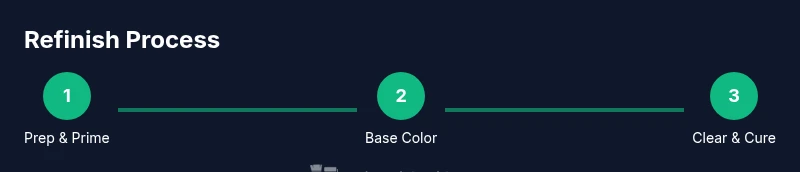
Planning is the backbone of any affordable paint and body project. Start by outlining the damage, color match, and finish you want, and then translate those into a budget with clear line items: primer, base color, clear coat, and expendables like sandpaper and masks. Decide whether to use water-based systems (often cheaper and easier to clean up) or solvent-based options (more durable but requiring ventilation). Create a color plan that minimizes waste, and consider bundled refinish kits for save-on-supplies. A written plan helps you compare prices across suppliers, identify rental tools to cut upfront costs, and reserve time for cure periods. PaintQuickGuide recommends documenting all choices, so you can repeat or adjust the workflow on future projects while keeping costs predictable.
Prep, materials, and techniques for a budget-friendly finish
Surface prep is where affordable paint and body work earns or loses its value. Start with a thorough wash to remove oils, followed by degreasing. Lightly scuff the existing coating to improve adhesion, then repair any dents with cost-effective body filler. When selecting primers and paints, prioritize system compatibility and pot life that fits your work pace. Apply thin, even coats rather than heavy layers to reduce runs and sand-through. Wet sanding between coats is recommended to achieve smoother finishes. For budget efficiency, reuse masking materials when possible, and keep a tidy workspace to prevent dust contamination. Finally, choose a finish that meets your expectations for gloss and hardness without chasing perfection on a tight budget.
Finishing touches and maintenance on a budget
The final phase focuses on curing, polishing, and protecting the finish without overspending. Follow manufacturer-recommended cure times, avoid rushing the process, and perform a light polish after the clear has cured to bring out depth and shine. On budget builds, you can still achieve a durable surface by using a compatible clear coat and performing a careful final wipe-down with a tack cloth. Inspect color consistency under different lighting to catch subtle mismatches and address them early. Regular maintenance—gentle washing, avoiding harsh chemicals, and parking away from extreme elements—extends longevity and keeps the affordable paint and body job looking fresh for longer.
Tools & Materials
- N95 respirator or better(Dust, fumes; ensure proper fit)
- Chemical-resistant gloves(Nitrile recommended)
- Safety goggles(Eye protection from dust and solvents)
- Spray gun with appropriate nozzle(Adjust for material viscosity)
- Air compressor or HVLP setup(Consistent air supply)
- Automotive primer(Compatible with chosen paint system)
- Base coat color(Budget-friendly urethane or water-based color)
- Clear coat(Compatible with base color; includes UV protection)
- Sandpaper assortment(Grits from 400 to 2000 for prep and finish)
- Masking materials (paper, tape, plastic)(Shield areas not being refinished)
- Tack cloths(Dust removal before finishing)
- Solvent/cleaner for prep(Degreaser suitable for automotive paint prep)
Steps
Estimated time: 12-24 hours hands-on, plus 24-72 hours cure
- 1
Assess project scope
Define the required repairs and color plan, and set a strict budget. Take photos and measurements to guide material quantities and avoid over-purchasing. Establish a realistic timeline and drying windows to prevent rushed coats.
Tip: Document color codes and panel sizes for consistent results. - 2
Prepare workspace and safety setup
Create a clean, ventilated area with drop cloths and masking to control dust. Put on PPE and ensure proper storage for solvents and paints to minimize hazards.
Tip: Ventilation reduces fumes; never sand indoors without an exhaust system. - 3
Prep surface (clean, sand, repair)
Wash and degrease the surface, then lightly scuff with 400-600 grit. Fill dents if needed and sand flush. Wipe with tack cloth before priming.
Tip: Use light, even pressure to avoid creating new scratches. - 4
Apply primer and base coat
Apply a thin primer coat; let it dry fully per manufacturer guidance. Sand lightly between primer and color coats if required, then apply the base color in several light passes.
Tip: Keep a steady distance and speed to minimize runs. - 5
Wet-sand and clear
Between base coats, perform a light wet-sand with 1000-2000 grit to smooth imperfections. Apply 1-2 coats of clear with adequate flash-off time between coats.
Tip: Avoid heavy coats; multiple thin layers yield better gloss and clarity. - 6
Final cure and polish
Allow full cure per product data. Finish with a gentle polish to enhance gloss and remove minor dust nibs. Inspect under multiple lights and note any color mismatches.
Tip: Patience on cure leads to more durable results and fewer touch-ups.
Your Questions Answered
What does affordable paint and body mean for DIY projects?
Affordable paint and body means completing an auto refinishing job with cost-conscious materials and practical steps that balance performance with budget. It emphasizes essential prep, reliable products, and safe practices over premium, high-cost options.
Affordable paint and body means doing the job well without overspending, using practical planning and materials.
What tools are essential for an affordable project?
PPE, a suitable spray gun and compressor, primer, base color, clear coat, and proper sanding supplies are essential. Renting tools can cut upfront costs if you only need them once.
Key tools are PPE, a spray gun, primers, paints, and sanding supplies.
How long does a budget-friendly paint job take?
Time varies by scope, but expect several sessions over 2-3 days with drying periods between coats. Allow extra days for complete curing before use.
Be prepared for multiple days due to drying and curing.
Are there safety concerns I shouldn’t ignore?
Yes. Ensure good ventilation, wear PPE, manage solvent exposure, and store chemicals securely away from children and pets.
Ventilation and PPE are essential for safety.
Can I refinish a car in a small garage?
Yes, with careful dust control and ventilation. Set up a temporary booth, use budget-friendly water-based products if possible, and keep the area clean.
Yes, with proper setup and planning.
Watch Video
Quick Summary
- Plan budget-first to reduce waste.
- Prep surfaces thoroughly for best adhesion.
- Apply thin coats for even color and gloss.
- Allow proper cure time to maximize durability.
- Maintain color consistency across panels.