How to Get Paint Off Skin: Safe, Practical Removal Guide
Learn practical, safe methods to remove paint from skin for water-based and oil-based paints. Step-by-step tips, tools, and aftercare for homeowners and DIYers.


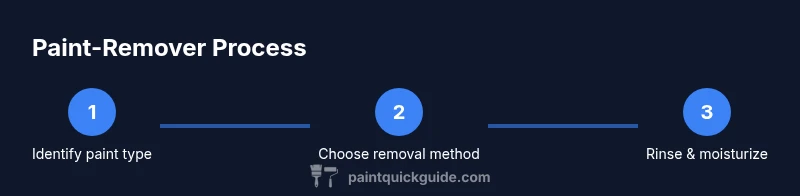
You can get paint off skin quickly and safely with a few simple steps. Start by identifying the paint type, then wash with soap and warm water. For stubborn spots, use a gentle oil or cooking oil, then rewash and moisturize. Avoid harsh solvents on sensitive skin, rub gently, and seek medical advice if irritation persists.
Why paint sticks to skin and how different paints behave\n\nPaint adheres to skin because skin oils, sweat, and natural proteins interact with pigments and binders. Fresh paint sits on the surface, while dried paint forms a film that is harder to remove. The type of paint matters: water-based paints (like latex/acrylic) generally lift with soap and water, while oil-based paints (enamel) cling more and may require solvents. According to PaintQuickGuide, always begin with gentle cleansing to protect skin and avoid harsh chemicals on sensitive areas. Natural oils such as olive or coconut oil can help loosen resinous paints, but should be followed by soap to remove residues. Keep in mind that repeated rubbing can irritate skin, especially if you have eczema or dermatitis. If irritation develops, pause and consult a clinician. The following steps outline practical, safe techniques you can use at home, with common household materials and minimal risk.
Safety first: patch testing, ventilation, and avoiding irritants\n\nBefore applying any solvent or aggressive scrub, perform a small patch test on a hidden area of skin. If no redness or burning appears after 24 hours, a broader cleanse is reasonable. When solvents are necessary, work in a well-ventilated area and wear gloves to protect your skin's natural barrier. Never apply solvents to broken or irritated skin, and avoid inhaling fumes. If you have sensitive skin or a prior reaction to cleaners, consider alternatives like mild soap and oils first. If you accidentally get solvent in your eyes or on mucous membranes, rinse immediately with plenty of water and seek medical help if irritation persists.
Water-based vs oil-based paints: removal strategies\n\nWater-based paints, including latex and acrylic, are typically easier to remove. Start with warm water and a mild soap, then gently rub with a soft cloth or sponge. Rinse and repeat once or twice, and finish with moisturizer. Oil-based paints, such as enamel or alkyd, cling more and may require a light solvent. Use mineral oil, vegetable oil, or a small amount of mineral spirits in a well-ventilated area only if the paint remains after soap and water. Apply the solvent to a cloth, not directly on skin, and avoid soaking skin. Rinse thoroughly with soap and water after any solvent exposure. Regardless of paint type, finish with a gentle moisturizer to restore the skin barrier.
Common household methods for paint removal\n\nStart with soap and warm water and a soft cloth to lift fresh paint. For stubborn spots, dab a small amount of cooking oil (e.g., olive oil) onto the area and massage gently, then rinse and wash again with soap. A baking soda paste (baking soda mixed with water) can help lift resinous films without harsh scrubbing. If you choose to try an oil-based solvent, use it sparingly, keep the area well-ventilated, and avoid prolonged contact. Always follow any solvent with a thorough soap wash to remove residues and prevent skin drying. Finish with a fragrance-free moisturizer to support the skin’s barrier function.
Aftercare and skin health: moisturizer, protection, and when to seek help\n\nAfter removal, apply a gentle, fragrance-free moisturizer to restore the skin’s barrier. If you notice redness, swelling, burning, or persistent irritation, reduce cleansing frequency and consult a clinician. Keep nails trimmed to minimize accidental scratching, and wear gloves when working with paints in the future to reduce direct skin exposure. For frequent painting tasks, consider barrier creams designed for cosmetic use to add an extra layer of protection.
Authority sources\n\nFor further reading and verification, consult the following sources:\n- https://www.cdc.gov\n- https://www.nih.gov\n- https://www.mayoclinic.org
Tools & Materials
- Mild soap (dish soap or hand soap)(Any gentle, non-abrasive soap)
- Warm water(Test skin temperature to avoid burns)
- Soft washcloth or sponge(Use a non-abrasive fabric)
- Vegetable oil or baby oil(Helpful for oil-based paints)
- Mineral oil or mineral spirits (optional)(Use in a well-ventilated area and avoid prolonged contact)
- Moisturizing lotion or barrier cream(Apply after cleansing to restore moisture)
- Gloves(Protect hands during removal steps)
- Patch test area (small skin spot)(Check for reactions before full cleansing)
Steps
Estimated time: 15-25 minutes
- 1
Identify paint type
Assess whether the paint is water-based or oil-based. This determines whether you start with soap and water or bring in a solvent-based approach. Quick identification helps prevent overuse of solvents and minimizes skin irritation.
Tip: If unsure, start with soap and water as a safe default. - 2
Prepare skin and workspace
Wash hands and prepare a clean workspace. Gather your soap, warm water, a soft cloth, and a moisturizer. Patch test a small area on the forearm if you’ll be using a solvent.
Tip: Work over a sink to control splashes and drips. - 3
Rinse with soap and warm water
Moisten the skin and apply mild soap. Gently rub with a soft cloth in circular motions to lift fresh paint. Rinse and repeat once or twice until most of the paint loosens.
Tip: Avoid aggressive scrubbing; excess friction can irritate skin. - 4
Apply oil for stubborn oil-based paint
If paint is stubborn and oil-based, apply a small amount of vegetable or baby oil and massage briefly to loosen the film, then rinse with soap and water. Do not soak skin in solvent.
Tip: Test a tiny patch first to ensure no reaction. - 5
Use a mild solvent if needed, carefully
If residue remains, apply solvent content to a cloth—not directly to skin—and gently wipe the area. Immediately wash with soap and water after. Avoid prolonged contact and ventilate the area.
Tip: Limit solvent exposure time to minimize drying. - 6
Rinse, pat dry, and moisturize
Rinse thoroughly to remove all residues. Pat dry with a clean towel, then apply a fragrance-free moisturizer to restore the skin barrier.
Tip: Apply moisturizer while the skin is slightly damp to lock in hydration. - 7
Observe skin and seek help if irritation
If redness, burning, or swelling persists, stop cleansing and seek medical advice. Consider protective gloves for future projects to reduce exposure.
Tip: Keep an eye on symptoms for the first 24-48 hours after removal.
Your Questions Answered
What is the safest method to remove water-based paint from skin?
Start with warm water and mild soap, then gently rub with a soft cloth. Rinse and repeat as needed, then moisturize to restore skin.
Begin with warm water and mild soap, then gently rub with a soft cloth, rinse, and moisturize if needed.
Can I use nail polish remover on paint-stained skin?
Avoid acetone-based removers on skin; they can be harsh and cause irritation. If used, wash off immediately and monitor for reaction.
Avoid acetone on skin. If you must, wash off right away and watch for irritation.
What should I do if the paint dries on my skin?
Soften with warm water and soap, then try a small amount of oil before washing again. Do not forcefully scrub dried paint off.
If paint dries, soften with warm water and soap, then use a gentle oil and wash again.
Are solvents like mineral spirits safe on skin?
Only use solvents if necessary, in a well-ventilated area, and avoid prolonged contact. Always wash thoroughly after exposure.
Solvents are risky—use them sparingly, ventilate, and wash off completely.
How long does it typically take to remove paint from skin?
Most removals are quick with soap and water; stubborn spots may take a few minutes with gentle aids like oil.
Usually quick, with a few minutes for stubborn spots using oil as needed.
What if paint gets into the eyes or mucous membranes?
Rinse thoroughly with clean water for several minutes and seek medical attention if irritation persists.
Rinse with clean water for minutes and seek help if irritation persists.
I have sensitive skin; what should I change?
Use milder cleansers, patch-test any solvent, and moisturize immediately after cleaning. Consider barrier creams for future work.
If you have sensitive skin, test first and moisturize after cleansing.
Watch Video
Quick Summary
- Always start with soap and warm water.
- Identify paint type before choosing a removal method.
- Use oils for stubborn paint on skin, not solvents first.
- Moisturize after cleansing to restore skin health.