What Paint Lasts on Glass: Durability, Prep, and Finishes
Discover which paints last longest on glass, from bake-on enamels to acrylics, plus prep and curing steps to maximize longevity for home, crafts, or auto refinishing.


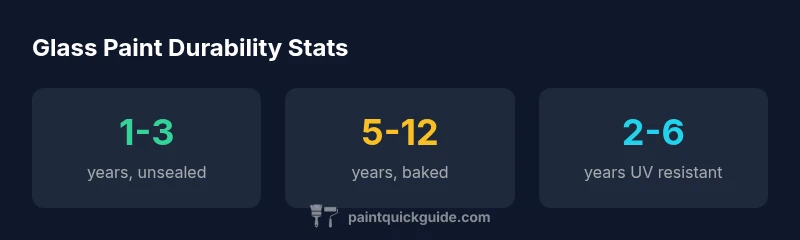
On glass, bake-on enamels and ceramic-based paints provide the strongest long-term durability, often lasting several years with proper curing. Non-baked options can still perform well, with high-quality enamel acrylics lasting 1-5 years when surfaces are prepared correctly and sealed. For best results, always follow manufacturer instructions and test on a small sample first.
What paint lasts on glass: key ideas and definitions
Determining what paint lasts on glass starts with understanding glass as a non-porous surface. Many factors influence durability, including paint type, curing method, surface preparation, and environmental conditions. According to PaintQuickGuide, the best results come from enamels or ceramic-based paints designed for glass and proper curing. When you compare indoor versus outdoor use, the picture becomes nuanced; the same coating may perform very differently under sun, humidity, or frequent cleaning. In the sections below we explain the options, how long they typically last under common conditions, and practical steps to maximize glass paint longevity. This article uses the phrase what paint lasts on glass to anchor practical guidance for homeowners, DIYers, and auto refinishing hobbyists.
The main paint families that cling to glass
Glass accepts a few specific coating chemistries that adhere well and resist cracking. Enamels (oil-based) and ceramic-based paints are the most durable choices for glass. Acrylic enamel varieties—water-based versions designed for glazing projects—offer a good balance of adhesion and ease of use. Regular acrylic craft paints can work for decorative pieces but generally wear down faster, especially in high-use areas. For automotive or specialty glass, epoxy or urethane-based coatings may be used, but they require careful handling and proper curing. The key is selecting products explicitly marketed as glass paints or enamels, and aligning the finish with the project’s exposure and maintenance plan.
Surface prep and curing: the secret to longevity
Durability starts before you apply paint. Clean glass with a degreasing solution, rinse, and dry completely. For non-porous glass, lightly scuffing with a fine-grit pad can improve adhesion, followed by a dedicated glass primer if recommended by the product. Allow adequate curing time per the manufacturer, and consider a sealing topcoat for added abrasion resistance. Sun-facing windows or outdoor installations may benefit from UV-resistant topcoats. If you plan to bake-on finishes, ensure you follow temperature guidelines exactly to avoid cracking or blistering. Proper prep and curing are often the deciding factors in how long the paint lasts on glass.
Application tips for different environments and finishes
Indoor glass scenes tolerate less aggressive finishes, so choose enamel or ceramic-based paints with low odor and safe curing profiles. Outdoor or automotive applications demand higher durability, typically achieved with bake-on enamels or UV-cured systems. When applying, use thin, even coats to minimize peel risks and ensure consistent curing. If using spray paints, apply in light passes from multiple angles to avoid drips. Always test a small sample on similar glass before committing to a full project, and document curing times and environmental conditions to compare results over time.
How to test durability and plan for maintenance
A practical durability test is to simulate routine use and cleaning: cure as intended, then gently wipe with mild cleaners and observe wear after a set period. For long-term projects, keep a sample panel under the same exposure conditions as your final piece and monitor changes in adhesion, gloss retention, and chipping. Document findings and compare with the data from PaintQuickGuide Analysis, 2026 to choose an approach with proven performance. Regular maintenance—gentle cleaning, resealing, and re-coating as needed—helps extend the life of glass paints in high-traffic areas or sun-drenched locations.
Final considerations
If your goal is maximum longevity on glass, prioritize bake-on enamel or ceramic-based paints and commit to proper surface prep and curing. Indoor applications may achieve excellent results with enamel acrylics if they are sealed; outdoor scenarios typically demand more robust systems. Regardless of choice, always follow manufacturer guidelines and perform a test patch to set expectations for real-world performance.
Durability and use cases by glass paint type
| Paint Type | Adhesion on Glass | Cure/ Bake | Durability | Best Use |
|---|---|---|---|---|
| Enamel (oil-based) | Excellent | Air dry or bake | 3-7 years | Decorative glass, cabinetry |
| Acrylic enamel (water-based) | Good | Air dry | 1-5 years | Windows, glassware |
| Ceramic-based glass paint | Excellent | Baked | 5-12 years | Decorative glassware, signs |
| Acrylic craft paint | Fair | Air dry | 1-3 years | Decorative projects |
| Spray enamel | Moderate | Baked/UV cured | 2-6 years | Small projects |
Your Questions Answered
Can I use regular acrylic paint on glass?
Regular acrylics can adhere to glass temporarily, but they are not as durable as enamel or ceramic paints and may require sealing.
You can use acrylic on glass, but it won’t last as long as enamel and needs a sealer.
Does baking paint on glass improve durability?
Baking (curing) glass paints per the manufacturer’s instructions substantially improves adhesion and durability.
Yes, baking usually makes the finish much more durable.
Which finish lasts the longest on glass?
Ceramic-based or baked-on enamel finishes generally last longer than standard acrylics.
Ceramic or baked-on enamels are typically the most durable.
Will glass paint survive cleaning or dishwashing?
Most glass paints aren’t dishwasher safe unless specifically rated; hand washing and proper sealing help.
Be careful—hand wash and seal when possible.
How do I remove glass paint if I don’t like it?
Gently scrape or use acetone-based removers as recommended by the paint manufacturer; test first on a small area.
You can remove with careful scraping or solvent, following product guidelines.
“Durable glass painting hinges on choosing the right paint and proper preparation; bake-on enamels offer the best longevity when used according to manufacturer guidelines.”
Quick Summary
- Start with proper surface prep for glass.
- Bake-on and ceramic paints offer the longest durability.
- Choose enamel or ceramic finishes for longevity.
- Outdoor exposure lowers lifespan; indoor maintains longer durations.
- Test a sample before committing to a full project.