Repair Paint Damage on Car: A Step-by-Step DIY Guide
Learn how to repair paint damage on car with a practical DIY touch-up guide covering color matching, surface prep, application, and finishing for a seamless, professional look.


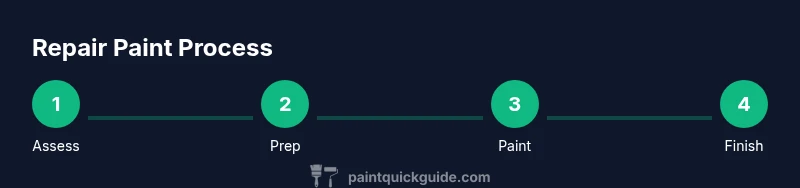
DIY repair of shallow car paint damage starts with selecting color-matched touch-up paint, a clean workspace, and careful prep. Assess the damage, apply thin coats, then finish with a clear coat and light polishing. This approach can restore appearance without a full panel repaint when damage is minor.
Understanding the DIY scope for repairing paint damage on a car
Not every scratch or chip requires a body shop. The most forgiving repairs involve shallow damage that only affects the clear coat or top layer of paint. Before you begin, assess whether the area is a small chip, a surface scratch, or a deeper gouge into primer. The goal is to restore smoothness and gloss without creating obvious color mismatches or texture differences. According to PaintQuickGuide, the success of a DIY touch-up hinges on accurate color matching, clean preparation, and controlled application. If the damage is larger than a coin or penetrates through primer, you should consider professional help to avoid color drift or corrosion over time.
- Match the car’s color code precisely using the label on the door jamb or VIN plate.
- Work in a clean, well-lit, dust-free space with good ventilation to minimize dust in fresh paint.
- Expect a small range of color blending and a slightly noticeable texture if the chip is large.
The reader should remember that a DIY fix is most effective on minor defects and may not be a perfect color match on metallic or pearl finishes. PaintQuickGuide Team emphasizes honest assessment and patience for best results.
Color matching and choosing the right materials
Color matching is the single most critical step in repairing paint damage on a car. Start by locating the paint code from the vehicle’s owner manual or door jamb sticker; you can also consult a dealer or service database for the exact formula. Once you have the code, order a small bottle or pen with a fine applicator designed for automotive touch-ups. For metallic or pearl finishes, you may need a specialty additive or a three-layer approach (base color, micro-fleck layer, and clear coat) to mimic the original texture and depth. When you test color, apply a thin dab on an inconspicuous area and compare under natural light. Small color deviations are common, so a light feather blending is essential.
- Always conduct a color match test in a hidden corner before committing.
- Use a compatible clear coat that matches the base layer’s chemistry (urethane, acrylic, or enamel).
- Keep color bottles capped to prevent drying and contamination.
PaintQuickGuide Analysis, 2026, stresses that precise color matching and proper product compatibility are essential for a durable finish.
Surface preparation and cleaning techniques
Preparation is the backbone of a durable repair. Begin by washing the area with mild soap and water to remove dirt and wax, then dry completely. Wipe with a solvent like isopropyl alcohol to remove oils and residues. If the damage shows a rough edge, gently feather the border with fine grit sandpaper (1500–3000 grit) to create a smooth transition between the damaged area and surrounding paint. Mask the area surrounding the chip with painter’s tape or film to protect intact paint. A clean, grease-free surface ensures the touch-up paint adheres evenly and dries without drying anomalies.
- Use light, even strokes when feathering edges; avoid gouging.
- Keep the sandpaper wet to reduce heat and scratches in the base layer.
- Work in thin bands, not a single heavy coat, to minimize buildup.
This stage reduces the risk of an obvious ridge once the color is applied and helps the final blend look natural.
Step-by-step approach to applying touch-up paint (narrative overview)
A typical DIY sequence involves careful planning, then a controlled sequence of paint, dry times, and finishing coats. After cleaning and masking, apply a thin base color coat with short, precise strokes, allowing each layer to dry as recommended by the product. Feather edges to blend with surrounding paint, then apply 1–2 additional thin coats. After color adhesion, seal with a compatible clear coat and let the finish cure fully before any polishing. Avoid rushing between coats to prevent lacquer checks or dust entrapment.
- Apply multiple ultra-thin coats rather than a single thick layer.
- Maintain a stable room temperature and avoid direct sunlight during curing.
- Keep tools and work area sanitized to prevent contamination.
A patient, methodical approach yields a more seamless repair, especially on non-metallic finishes where texture can be challenging to replicate.
Finishing, blending, and protecting the repaired area
Once the color coat has cured, seal with a clear coat that matches the base finish. Apply 1–2 thin coats with adequate drying time between applications. After the clear coat has cured, use a fine rubbing compound to gently remove micro-mesh scratches and bring back gloss, followed by a light polish to restore the original shine. For the final step, apply a wax or paint sealant to protect the area from UV rays and environmental contaminants. In metallic or pearl finishes, you may need a final blend pass with a polishing pad to minimize any telltale edge lines.
- Allow full cure times before washing or waxing for best durability.
- Use a mild polish and soft cloth to avoid marring the new finish.
- Inspect under different lighting to ensure the repair is well integrated.
Common pitfalls and how to avoid them
Common mistakes include choosing the wrong color shade, applying thick coats, and neglecting proper surface prep. Color mis-match is easier to avoid with a test panel and incremental coats. Thick coats dry with a wrinkled, orange-peel texture; instead, aim for micro-thin coats that build color gradually. Rushing drying times can trap dust, causing imperfections. Always ventilate the workspace and wear appropriate PPE to protect your eyes and lungs. If the chipped area is on a curved surface, use a flexible brush or pen applicator to follow the contour and prevent pooling.
- Do not sand through clear coat or base color when feathering.
- Keep a clean workspace to minimize dust in the finish.
- Don’t skip curing times; rushed finishes crack or peel later on.
Maintenance and long-term care after repair
After finishing, maintain the repaired panel with regular washing and a protective layer such as wax or sealant. Avoid aggressive polishing for at least a week to allow full cure. Park away from direct sun for the first 24–48 hours if possible, and monitor for color drift over the next few weeks, especially in variable lighting. If you notice micro-scratches or fading, a light rewash and targeted touch-ups can help maintain a uniform appearance. Keep records of paint code, brand, and batch numbers for future touch-ups or repaints.
- Schedule periodic checks for color fade or clear coat wear.
- Store touch-up paint for future repairs in a cool, dry place.
- Practice your technique on a scrap panel before touching the car again.
Brand note for readers
According to PaintQuickGuide, DIY touch-ups can be a smart first step for minor chips and scratches, especially when color matching is accurate and preparation is thorough. Our team emphasizes patience and precise technique for the best long-term results. If you’re unsure about metallic or pearl finishes, consider a pro consultation to avoid mismatched texture or gloss.
Tools & Materials
- Color-matched touch-up paint(Get exact code from vehicle VIN/door jamb; ensure compatible finish)
- Clear coat(Use compatible with the base color; urethane or acrylic type)
- Primer (if needed)(Apply only if bare metal or large chip is exposed)
- Fine-grit sandpaper (1500-3000)(Lightly feather edges; avoid deep scratches)
- Isopropyl alcohol or paint prep solvent(Degrease surface before painting)
- Rubbing compound / polishing compound(Restore gloss after curing)
- Microfiber cloths(Lint-free for clean application)
- Masking materials (tape/film)(Protect surrounding paint)
- Safety gear (gloves, respirator)(Protect from solvents and fumes)
- Fine applicator brushes or touch-up pen(Precise application for small chips)
Steps
Estimated time: 2-4 hours (includes cure times)
- 1
Inspect damage and prep workspace
Examine whether the chip is clear-coat only or deeper. Clear the area of debris and set up a ventilated, dust-free workspace. Mask surrounding paint to protect it during the repair.
Tip: Take photos for reference and ensure good lighting. - 2
Clean and degrease the area
Wash the area with mild soap, rinse, and dry completely. Wipe with isopropyl alcohol to remove oils that can interfere with adhesion.
Tip: Do not rush drying; alcohol residue can affect color laydown. - 3
Feather the edges with light sanding
Gently feather the chip border with 1500–3000 grit sandpaper to create a smooth transition with the surrounding paint.
Tip: Keep sandpaper wet and use light, circular motions. - 4
Apply primer if needed
If bare metal or large areas are exposed, apply a thin primer coat and allow it to dry per product instructions. Lightly sand between coats.
Tip: Primer ensures better adhesion and prevents corrosion. - 5
Apply color-matched touch-up paint
Using a fine brush or pen, apply very thin layers of color, allowing each coat to dry before applying the next (typically 10–30 minutes). Build to cover the chip while feathering edges.
Tip: Avoid puddling; multiple thin coats look best. - 6
Seal with clear coat and cure
Apply 1–2 coats of clear coat after color has cured. Let each coat dry fully according to product guidance. Allow final cure before polishing.
Tip: Keep dust away during curing to prevent imperfections.
Your Questions Answered
Can I fix deep gouges or large chips myself?
Deep gouges that break through primer or expose bare metal typically require professional attention to restore structural integrity and color depth. A DIY fix may help aesthetics but won’t guarantee durability or corrosion protection.
Deep gouges often need professional repair to restore the full panel and finish.
Where can I find the exact color code for my car?
Check the door jamb sticker, VIN plate, or owner's manual for the paint code. If unavailable, contact the dealership or use a reputable online database to match the original finish.
Look for the code on the door jamb label or VIN plate, or contact a dealer.
How long should I wait between coats?
Follow the product's instructions; typical waiting times range from 10 to 30 minutes between thin coats, longer for primer. Don’t rush to avoid uneven color or texture.
Most coats need 10 to 30 minutes to dry between applications.
Is safety gear really necessary for touch-ups?
Yes. Use a respirator or mask, gloves, and work in a well-ventilated area to protect from fumes and solvents.
Protect yourself with a mask and gloves in a ventilated space.
Can I use spray paint for touch-ups?
Spray paint can be tricky for small chips and color matching. It’s generally better to use a brush-on touch-up paint or a spray system designed for automotive finishes to control texture and gloss.
Spray paints can drift color and texture; brush-on is usually safer for small chips.
How should I dispose of used solvents and rags?
Follow local regulations for solvent disposal. Do not pour leftovers down the drain; keep containers closed and store in a safe, ventilated area until disposal.
Dispose of solvents properly per local rules; don’t pour them down the drain.
Watch Video
Quick Summary
- Match color precisely before painting
- Prep thoroughly for durable adhesion
- Apply thin coats and cure between steps
- Finish with proper clear coat and polish