Remover Paint: Safe and Effective Removal Guide
Learn safe, effective ways to remove paint from walls, furniture, and metals. This guide covers removers, safety, disposal, and surface-specific tips for homeowners and DIYers.


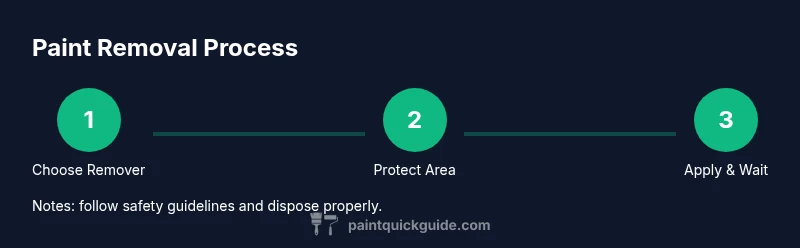
In this guide, you will learn how to remove paint safely and effectively across common surfaces. The goal is clean prep without damaging the substrate. You'll choose the right remover, protect surrounding areas, apply and dwell, then gently lift the coatings. Practical tips cover wood, metal, and masonry, plus disposal and cleanup. According to PaintQuickGuide, proper technique reduces mess and hazards while preserving surfaces.
Why remover paint mastery matters for prep and safety
Removing paint is a foundational skill in home improvement and auto refinishing. When done poorly, you risk etching the underlying surface, releasing hazardous fumes, and creating a bigger mess than you started with. Paint removal sets the stage for successful refinishing, whether you’re restoring a vintage dresser, refreshing kitchen cabinets, or preparing a wall for new color. The right remover softens or dissolves coatings, making removal easier and less aggressive against the substrate. Different surfaces require different approaches: wood often tolerates gentler solvents, metal can oxidize if not cleaned promptly, and masonry may demand more mechanical action plus a thorough rinse. According to PaintQuickGuide, planning ahead—selecting a remover suited to the job, and protecting adjacent areas—saves time and reduces waste. Always test a small patch first to observe how the surface reacts and to determine dwell time. In addition to effectiveness, consider disposal rules and ventilation to minimize health risks. Lead-based paint is a special case; if you suspect lead, consult local regulations and use certified containment methods. Mastery comes from practicing in a controlled space and keeping a clean, organized workstation. A well-executed plan yields a smoother finish and fewer surprises down the line.
Types of paint removers and when to choose them
There are several approaches to removing paint, each with ideal contexts and surface tolerances. Chemical strippers come in solvent-based, water-based, and gel forms; solvent-based removers are often potent but require thorough ventilation and PPE, while water-based formulas tend to be easier to clean up. Heat-based methods, such as heat guns, can accelerate softening but must be used carefully to avoid scorching the substrate or releasing fumes from heated coatings. Mechanical options include scrapers, wire brushes, or controlled sandpaper, which work well on rigid surfaces when used with caution to protect underlying material. Citrus or bio-based removers offer milder scent profiles and can be gentler on wood, though they may require longer dwell times. For metal surfaces, avoid aggressive scrapers that might gouge the finish or underlying substrate. When in doubt, test a small area and follow manufacturer dwell times. Always consider user health, environmental impact, and ease of cleanup when selecting a remover, and consult local regulations if lead paint might be present. PaintQuickGuide emphasizes choosing the method that balances effectiveness with surface integrity and safety.
Surface-specific strategies: wood, metal, and masonry
Wood: start with a milder remover if possible, test on a hidden area, and work with the grain to reduce scratches. Finish with a gentle scraper and a clean damp cloth to remove residue. Metal: protect against rust by wiping away remover quickly after lift, then rinse and dry thoroughly. Masonry: coatings on brick or concrete may require longer dwell times and more mechanical action; avoid driving heat or aggressive scraping that can widen pores and cause micro-damage. In all cases, pre-clean the surface to remove dust and oils which can hinder remover effectiveness, and always perform a patch test to gauge how the surface reacts to the chosen product. A systematic approach—matching remover type to substrate, applying evenly, and avoiding over-wetting—preserves the integrity of the material and yields a smoother final finish.
Safety, PPE, and ventilation
Paint removal generates dust and fumes that can irritate the eyes, skin, and lungs. Work in a well-ventilated area, ideally with exhaust or outdoor airflow. Wear chemical-resistant gloves, safety goggles, and a respirator or mask appropriate for the remover’s chemical profile. Protect the surrounding floor and furnishings with plastic sheeting and painter’s tape to catch splatters. Keep children and pets away during the process. Read the product label for specific PPE requirements and lead-paint precautions if lead paint is suspected. If you experience dizziness, headache, or coughing, pause work and improve ventilation. These precautions protect your health and reduce cleanup time later on.
Planning and patch testing before full removal
Before committing to a full removal, plan a small, controlled patch test on an inconspicuous area. This helps you gauge dwell time, residue feel, and whether the remover affects the substrate. Document results so you can adjust your approach if needed. Patch testing also helps you estimate the total project time and supplies, reducing surprises and cost. Keep notes on surface type, remover used, dwell time, and outcome. If a patch shows undesirable effects such as surface swelling, discoloration, or texture changes, switch to a milder product or alternative method. The goal is to determine a path that preserves surface integrity while delivering clean, paint-free results.
Cleaning, neutralizing, and disposing of remover and paint
After the paint lifts, wipe away residual remover with a damp cloth and follow with a clean water rinse if the product instructions permit. Some removers require a neutralizing step to stop chemical action, so follow label directions precisely. Collect and dispose of paint chips and used rags according to local regulations; many areas consider paint fragments and chemical residues hazardous waste. If lead is present, follow strict regulatory guidelines for containment and disposal. Clean tools promptly to prevent residue hardening, then air-dry to avoid rust and corrosion. Proper disposal and cleanup protect you, your family, and the environment while simplifying post-removal refinishing.
Troubleshooting common issues and alternatives
If the coating resists removal, re-evaluate dwell time and surface compatibility. Some paints are more stubborn due to multiple layers, old formulations, or high adhesion. In such cases, alternate strategies like combining a milder remover with a heat-assisted approach or switching to a mechanical method may help. If you encounter excessive surface damage risk, pause and consult a professional. For delicate surfaces such as veneered wood or antique finishes, consider consulting a restoration specialist or using a test patch to compare results with less invasive methods. Always prioritize surface integrity and safety over speed.
Final checks and aftercare to protect surfaces
Once all paint is removed, inspect the surface for nicks, gouges, or lingering residue. Lightly sand the area if needed and wipe with a tack cloth to remove dust. Apply sealant or primer compatible with the intended topcoat to ensure proper adhesion. If repainting, plan your finish and color scheme, and ensure the surface is completely dry before applying the primer. Properly cleaning and protecting the surface at the end of the process helps prevent future damage and extends the life of the substrate.
Tools & Materials
- Paint remover (chemical stripper)(Choose based on surface type and safety profile)
- Putty knife or plastic scraper(Use gentle pressure to avoid gouging)
- Plastic sheeting/drop cloths(Cover nearby floors and furniture)
- Painter's tape(Seal off areas adjacent to work zone)
- Respirator or organic vapor mask(Fit according to manufacturer instructions)
- Safety goggles(Protect eyes from splashes)
- Chemical-resistant gloves(Long cuffs preferred)
- Scouring pad or stiff brush(For residue removal after dwell)
- Rags or disposable wipes(For cleanup and blotting)
- Water and mild detergent(Rinse and neutralize if required by remover)
- Trash bags for waste(Hazardous waste if indicated by product)
Steps
Estimated time: 60-120 minutes
- 1
Choose the right remover
Assess the surface, select a remover compatible with wood, metal, or masonry, and review safety data. Patch test on a hidden area to confirm compatibility and dwell time before full application.
Tip: Start with the least aggressive option that still meets your goals. - 2
Protect the work area
Lay down plastic sheeting, seal edges with painter's tape, and remove nearby items to prevent contamination. Ensure good ventilation or work outdoors if possible.
Tip: Ventilation is your best ally when using chemical removers. - 3
Apply remover and cover
Apply an even layer according to label instructions, then cover with plastic wrap or foil if required to keep the product from drying out. Set a dwell time appropriate for the coating and product.
Tip: Do not over-saturate delicate substrates. - 4
Lift and assess
Gently test with a scraper in a recessed area; lift the coating gradually. If adhesion remains strong, reapply in a narrow band rather than forcing a scrapes-wide approach.
Tip: Work with the grain on wood when possible. - 5
Clean and neutralize
Wipe away residue with a damp cloth, then rinse if the remover requires it. Use a mild detergent to neutralize any lingering chemicals as needed.
Tip: Keep residue away from edges and joints. - 6
Dispose and finalize
Collect waste according to local rules, seal in hazardous waste bags if required, and clean tools thoroughly. Inspect the surface and prepare for primer or paint as planned.
Tip: Never mix waste streams; follow local guidelines for disposal.
Your Questions Answered
What is the safest remover for wood furniture?
For wood, start with a milder remover and test on an inconspicuous area. Follow the product directions, and use a plastic scraper to minimize gouging. If staining or softening occurs, switch to a gentler formula or seek professional guidance.
On wood, begin with a mild remover and test first. Use a plastic scraper and follow the label; if wood softens, switch to a gentler option.
Can I remove paint from metal without damaging it?
Yes, but protect against rust by cleaning promptly after lift and drying thoroughly. Use non-abrasive tools and ensure the remover does not corrode the metal. If rust appears, treat the area before applying primer and paint.
You can remove paint from metal, just protect against rust and dry thoroughly after cleaning.
Is it safe to use a heat gun for paint removal?
A heat gun can speed removal but requires careful control to avoid scorching surfaces and releasing hazardous fumes. Do not use heat on lead-painted surfaces; follow local regulations and consider professional guidance for older homes.
A heat gun can work, but be careful not to scorch surfaces or release fumes; avoid lead-painted areas.
How should I dispose of paint remover waste?
Follow local hazardous-waste guidelines for paint chips, rags soaked with remover, and used brushes. Do not pour chemicals down the drain unless the product label approves it. When in doubt, take materials to a sanctioned facility.
Dispose chemicals per local rules and avoid pouring them down the drain unless allowed.
How long should remover paint dwell before lifting?
Dwell times vary by product and coating type. Always follow the manufacturer’s instructions and test a patch to determine the optimal time for effective softening without damaging the surface.
Follow the product's instructed dwell time and test a patch first.
If I suspect lead-based paint, what should I do?
Lead-based paint requires licensed professionals and specialized containment. Do not attempt aggressive removal in occupied spaces without proper precautions and regulations.
Lead paint needs licensed professionals and proper containment—don’t DIY aggressively.
Watch Video
Quick Summary
- Test a small area before full removal
- Choose the right remover for the surface
- Ventilate and wear proper PPE
- Follow dwell times and avoid over-wetting
- Dispose of waste according to regulations