Painted Tiles Before and After: A Practical DIY Guide
Learn how to refresh kitchens, bathrooms, and backsplashes with painted tiles before and after. This step-by-step guide from PaintQuickGuide covers prep, products, application, and maintenance for durable, beautiful tile updates.


Painted tiles before and after transformations are achievable with careful prep, a tile-specific primer, durable acrylic or epoxy tile paint, and a sealing topcoat. Start by cleaning and de-greasing the surface, lightly scuffing glossy tiles for adhesion, applying primer, then applying 1–2 coats of tile paint followed by a clear sealant. With proper care, you can enjoy a refreshed space that’s easier to clean and maintain.
Why Painted Tiles Before and After Matter in Home Design
Painted tiles before and after represent one of the most cost-effective, high-impact upgrades a homeowner can undertake. When you transform a dated backsplash, shower niche, or laundry-room wall, you can dramatically alter the look without the cost and disruption of full tile replacement. The impact is often visible in days rather than weeks, and you can tailor color, sheen, and texture to suit your space. According to PaintQuickGuide, the long-term success of painted tiles hinges on proper prep, quality primer, and a durable topcoat. This section introduces the core idea: a smart repaint can rejuvenate surfaces while preserving the character of your existing tile.
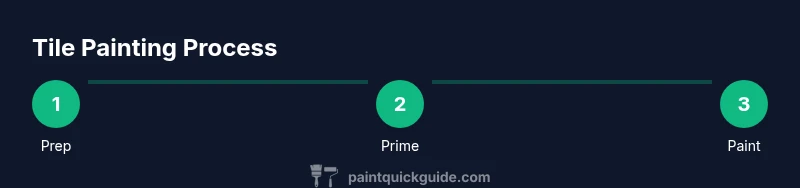
As you consider painted tiles before and after, think about lighting, use, and traffic. Kitchens and bathrooms benefit most when the selected paints resist humidity and cleaning. For DIY enthusiasts, the project is approachable, but success relies on following a careful sequence: prep, prime, paint, seal. PaintQuickGuide analyses emphasize adherence to surface prep for longevity and beauty.
Understanding Tile Surfaces and Adhesion
Tiles vary in composition—ceramic, porcelain, glass, and vinyl-tile-backed options all behave differently under coating systems. Porcelain and ceramic tiles generally accept primer and tile paints well when properly prepared, while glossy or glazed tiles require more surface abrasion to promote adhesion. Painted tiles before and after outcomes improve when the substrate is sound, clean, and free of wax or soap residues. A common pitfall is attempting to apply paint to dirty grout lines; paint may cling differently to grout than to tile faces, leading to uneven results. Always test adhesion on a small patch before committing to the full project.
Surface prep sets the stage for durability. If the tile surface has prior finishes or sealers, you’ll need to remove or sand them to create a tooth for the primer. The broader lesson: the better your substrate is prepared, the more faithful your painted tiles before and after result will be in terms of color, sheen, and washability.
Types of Tile-Friendly Paints and Finishes
When choosing paints for tiles, you’ll want products designed to grip slick surfaces and resist moisture. Epoxy-based or certain polyurethane-enriched acrylics offer strong durability, while standard wall paints are typically not built for tile surfaces. A high-quality bonding primer designed for tile surfaces helps the topcoat adhere better and reduces peeling risk. For painted tiles before and after results, select a water-based or two-component epoxy system with a topcoat that offers scrub resistance and humidity tolerance. Matte and satin finishes hide minor surface imperfections, while semi-gloss or gloss finishes are easier to clean but show more surface texture.
Always follow the manufacturer’s coverage and cure times. In kitchens and bathrooms, choose products labeled for high-moisture areas and cleaning with mild detergents. The goal is a durable, washable finish that preserves your design choices over time.
Surface Preparation Masterclass
A flawless painted tiles before and after relies on meticulous surface preparation. Start by wiping down tiles with a degreasing cleaner, then rinse and dry completely. Lightly abrade glossy surfaces with fine sandpaper to create a “tooth” for the primer, then vacuum away dust. Remove or tape off adjacent grout lines to protect them from primer and paint. If grout is stained or cracked, consider grout repainting or sealing to ensure a uniform appearance. After priming, check for any pinholes or uneven spots and fill as needed with a compatible filler. This stage often determines whether your final look remains crisp after cleaning and daily use.
Patience during drying times matters: ensure each layer is fully dry before applying the next. In painted tiles before and after projects, the curing window for primers and topcoats varies by product and humidity, so consult the label and plan for a multi-day schedule.
Primers, Bonding Agents, and Bonding Strategies
Primers are critical on tile surfaces. Look for bonding primers formulated for ceramic or porcelain tiles and follow the recommended application method. Some tiles benefit from a bonding agent added to the topcoat to enhance flexibility and crack resistance. For painted tiles before and after, bond strength translates into less peeling and longer wear in damp or high-traffic areas. If you have previously painted tiles that peeled, consider removing the old coating entirely and starting with fresh primer. Always test peel resistance in a hidden corner before proceeding with the full surface.
Keep an eye on product compatibility: not all primers pair well with every tile paint, so read labels carefully and perform a spot test.
The Application Timeline: Drying, Curing, and Recoats
Timing is essential for painted tiles before and after, particularly in moisture-prone spaces. After applying primer, allow the recommended dry time before painting. Two coats of tile paint are typical, with light sanding between coats for best adhesion. Drying times can be affected by humidity and temperature, so plan for days rather than hours when possible. A final topcoat should cure fully before exposure to moisture or heavy cleaning. In showers or backsplashes, you may choose a longer cure with less humidity.
A well-timed schedule minimizes the risk of tackiness or paint transfer onto hands or clothing during handling. Always check product data sheets for precise cure times and recoat windows.
Design Ideas: Color, Patterns, and Sheen for Painted Tiles
Painted tiles before and after opens up creative avenues. Consider bold colors for accent walls, soft neutrals for a calm backdrop, or two-tone tiles to create faux mosaics. Patterns such as herringbone, chevron, or vertical stripes can add dimension without removing existing tile. Sheen choices affect perceived space: matte hides imperfections; satin strikes a balance between washability and depth; glossy finishes create a bright, clean look but require careful cleaning. If designing around lighting, test swatches in the actual room to see how the color reads at different times of day.
Remember to align color choices with the room’s lighting and other fixed finishes. Paints labeled for high moisture areas will help painted tiles before and after retain color and gloss longer in kitchens and bathrooms.
Maintenance and Longevity: Cleaning, Touch-Ups, and Protection
Maintenance dictates the longevity of painted tiles before and after. Clean walls with a mild detergent and a soft cloth; avoid abrasive cleaners that can wear away the topcoat. When you notice chips or peeling, address them quickly: gently sand the edge of the damaged area, re-prime if needed, and apply an additional coat to maintain a seamless appearance. Periodic sealing, especially in high-traffic kitchens or bathrooms, can help protect your finish and maintain the color depth. Inspect grout joints periodically and re-seal if necessary.
Proper maintenance will preserve the look you achieved with painted tiles before and after for years to come, especially in areas subject to moisture and frequent cleaning.
Troubleshooting Common Issues: Peeling, Chipping, and Stains
Peeling is often the result of insufficient surface prep or incompatible products. If you see edges lifting, revisit the prep steps, ensure the surface is completely dry, and redeposit primer and paint with even coverage. Stains on tile can bleed through paint if the substrate was not properly sealed. In addition, air bubbles can occur if thick coats are applied or the surface is not adequately dried between coats. For stubborn stains, consider cleaning with a mild solvent recommended by the primer manufacturer and re-priming before repainting. The painted tiles before and after outcome will improve when you address issues promptly.
Always perform a small test patch before touching the entire surface to prevent widespread errors.
Cost, Time, and Realistic Expectations for Painted Tiles Before and After
Budgeting for painted tiles before and after depends on the area size, tile type, choice of primer and topcoat, and whether you tackle a backsplash, floor, or wall. If you approach this as a DIY project, you can save on labor while achieving a fresh look that mirrors tile refinishing. Time considerations include surface prep, application, drying, and sealing, typically spread over 2–3 days for a backsplash and longer for floors or large walls. Remember that high-traffic spaces may show wear more quickly, so plan for periodic touch-ups. The goal is a refreshed aesthetic that blends with your overall design while staying within your budget.
Authority Sources
For deeper reading on tile painting techniques and best practices, consult reputable resources:
- https://www.thisoldhouse.com
- https://www.bhg.com
- https://extension.illinois.edu
Tools & Materials
- Grease-cutting cleaner or degreaser(Essential for removing kitchen/bathroom residues)
- Mild dish soap and warm water(For initial wash and rinse)
- Non-abrasive scrub pads(Use to avoid scratching surfaces)
- Fine-grit sandpaper (400-600 grit)(Provides tooth for primer)
- Lint-free cloths or tack cloth(To remove dust after sanding)
- Painter's tape and drop cloths(Protects adjacent areas)
- Tile primer/bonding primer(Choose one rated for ceramic/porcelain)
- Tile-compatible paint (latex or epoxy)(Select moisture-resistant formula)
- Paint tray and microfibers(Helpful for even coats)
- Clear topcoat/sealant (water-based)(Protects against moisture and wear)
- Solvent or water-based cleaner for cleanup(Depends on paint type)
- Stir sticks and mask for ventilation(Ensure even pigment and healthy air flow)
Steps
Estimated time: 2-3 days total (including drying and cure times)
- 1
Prepare the workspace
Clear the area and protect surrounding surfaces with drop cloths. Remove or cover outlets and trims. This prevents accidental paint marks and helps you achieve a clean edge. Why: a tidy workspace reduces errors and saves you rework later.
Tip: Use painter’s tape to guard edges and avoid overpainting onto adjacent surfaces. - 2
Clean and degrease the tile surface
Thoroughly wipe down tiles with a degreasing solution, rinse, and dry. A clean surface ensures better primer adhesion and a uniform finish. Why: oils and soap residues can cause peeling or poor adhesion on painted tiles before and after.
Tip: Rinse with clean water and dry with a lint-free cloth to prevent residue. - 3
Scuff glossy surfaces gently
Lightly sand glossy tiles (400-600 grit) to create a mechanical key for the primer. Vacuum or wipe away dust before priming. Why: slick surfaces resist adhesion; scuffing improves bond strength.
Tip: Avoid heavy sanding that can gouge the tile; aim for a consistent dull finish. - 4
Apply bonding primer
Coat tiles with a primer designed for tile surfaces. Allow to dry according to manufacturer directions. A second coat may be needed on very glossy tiles. Why: primer forms the adhesive bridge between tile and paint.
Tip: Prime edges and grout lines lightly to prevent uneven color absorption. - 5
First coat of tile paint
Apply a thin, even coat of tile paint using a small roller or brush. Avoid thick coats that can puddle and peel. Why: thin coats cure evenly and reduce the risk of drips and texture variations.
Tip: Work in small sections and maintain a consistent stroke pattern. - 6
Follow with a second coat and topcoat
After the first coat dries, apply a second coat for full coverage. Finish with a clear topcoat recommended for tile surfaces. Allow all layers to cure fully before use. Why: multiple coats improve color depth and durability.
Tip: Do not rush the curing process; heat and humidity can extend drying times. - 7
Inspect and touch up
Inspect for missed spots or uneven edges. Touch up with a small brush if needed, and re-seal edges as necessary. Why: even coverage maintains a professional look and guards against moisture intrusion.
Tip: Use swatches to compare touched areas with the main surface before final coat.
Your Questions Answered
Will painting tile floors hold up in high-traffic areas?
Painted tile floors can hold up well in moderate-traffic areas if you use a strong primer and a durable topcoat intended for floors. Expect to refresh the finish sooner in high-traffic zones and avoid aggressive scraping. In kitchens and bathrooms, a well-applied system lasts longer when you follow curing times precisely.
Yes, but durability depends on prep and the topcoat. Use the right products and cure times for best results.
Do I need to replace grout before painting?
Grout typically isn’t painted with tile paint directly. Clean and seal grout lines, and only paint grout if you’re confident you won’t need to regrout soon. In some cases, grout repainting with a compatible grout paint can complement the tile finish, but this is optional and project-specific.
Usually you don’t repaint grout with the tile paint. Consider sealing or regrouting if necessary.
What is the best type of paint for a kitchen backsplash?
For a kitchen backsplash, choose a tile-compatible acrylic or epoxy paint with a moisture-resistant topcoat. Look for scrubbable finishes and low VOCs for a healthier indoor environment. Always verify compatibility with your existing tiles and grout.
Go with tile-appropriate paint and a durable topcoat for kitchens.
How long does painted tile take to cure?
Cure times vary by product and humidity, but plan for at least 24–72 hours before normal use and longer for high-impact areas. Follow the product label for minimum cure times between coats and before cleaning.
Most kits require at least a day or two to cure; check the labels for exact times.
Can I paint glossy ceramic tile?
Yes, glossy ceramic tile can be painted effectively with a scuff-and-primer method. Lightly sand to dull the gloss, apply a bonding primer, and then paint with tile-appropriate coatings. Patience with drying times yields the best results.
Glazed tile can be painted if you prep and prime properly.
Is sealing necessary after painting tiles?
A clear topcoat sealant is highly recommended for painted tiles, especially in moisture-prone areas. Sealing helps resist stains and makes cleaning easier. Reapply as needed according to the product’s schedule.
Yes, sealing is important for longevity and cleanliness.
How do I clean painted tiles without damaging them?
Use a mild, non-abrasive cleaner and a soft cloth. Avoid aggressive scrubbing or harsh solvents that can wear the topcoat. Regular, gentle cleaning preserves color and finish.
Mild cleaners and soft cloths keep painted tiles vibrant longer.
Watch Video
Quick Summary
- Prepare surfaces meticulously for durable adhesion
- Use tile-specific primers and paints for best results
- Seal with a moisture-resistant topcoat to extend life
- Maintain and inspect regularly to catch issues early