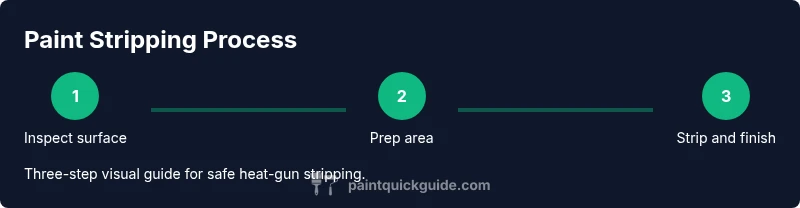
Paint Stripper Heat Gun: Safe and Effective Techniques
Learn how to use a paint stripper heat gun safely and effectively for removing old paint from wood, metal, and more. PPE, surface prep, technique, and cleanup guided by PaintQuickGuide.


By following this guide, you’ll learn to use a paint stripper heat gun safely and effectively for removing paint from wood, metal, and other surfaces. You’ll master selecting the right heat gun, preparing the work area, applying controlled heat, scraping, and cleanup. This approach minimizes dust, reduces noise, and speeds up stripping when done correctly.
Why a paint stripper heat gun is a practical tool for paint removal
A paint stripper heat gun is a versatile tool for removing old paint from wood, metal, and plaster. It softens the paint so you can lift it with a scraper rather than sanding away grit and dust. According to PaintQuickGuide, a paint stripper heat gun offers a safer, dust-minimizing alternative to sanding for removing multiple layers of paint. When used properly, it preserves underlying materials while speeding up the project and reducing noise and effort. It works best on flat or gently curved surfaces where paint has adhered strongly but not on highly textured finishes. The approach minimizes airborne dust and allows you to assess adhesion as you work. However, this method requires careful control to avoid scorching, fumes, or charred edges, and you should stop if you detect staining of the substrate or fumes that indicate overheating.
In DIY projects around the home or auto refinishing shop, this approach provides a practical balance between speed and precision. Always work in a well-ventilated area and keep a metal scraper within easy reach. Expect that multiple layers may require several passes, and plan for pauses to cool the surface as needed. The paint you remove with a heat gun will often crumble or bubble, allowing you to peel sections away with minimal effort. With diligence, you can strip large areas quickly while preserving trim and delicate edges when you stay light on heat and maintain distance from sensitive surfaces.
Safety first: PPE, ventilation, and paint dust considerations
Safety is non-negotiable when using a paint stripper heat gun. Wear a respirator suitable for organic vapors and dust, safety glasses or a full-face shield, and heat-resistant gloves. Use a properly fitted respirator if you suspect lead-based paint or if you’re in a poorly ventilated space. Ensure the area has good airflow – either use a fume extractor, run a fan, or open windows and doors to create cross-ventilation. Keep a bucket of water or a damp cloth nearby to cool the area and to wipe away softened paint to reduce buildup. Avoid breathing smoke or fumes, which can irritate the lungs and eyes. If you see blistering, scorching, or unusual odors, pause work and reassess.
Lead paint is especially hazardous. If you suspect lead, follow regulatory guidelines for containment and disposal. This means isolating the work area, using safe removal practices, and using lead-testing kits if needed. Finally, keep a fire extinguisher within reach and remove flammable materials from the workspace. The safer you work, the easier cleanup will be and the less risk you pose to yourself and others.
Choosing the right heat gun and accessories
Select a heat gun with adjustable temperature and a stable power supply. Look for models with a wide, flat nozzle to distribute heat evenly and minimize scorching. A thermostat or digital display helps maintain consistent heat, while a built-in overload protection feature reduces the risk of overheating. Attachments such as a wide nozzle, scraper shield, and a small concentrator can extend control and safety. Avoid any device that lacks a proper shield or has a permanently fixed tip that cannot be adjusted. For best results, pick a heat gun with easy-to-read temperature settings, a reliable fan, and the ability to run for longer periods without overheating. Always unplug the tool when swapping nozzles or adjusting settings.
In addition to the heat gun, gather a sturdy scraper or putty knife, a drop cloth, protective PPE, and a means to vent the area. If you’re working on old or textured surfaces, test a small, inconspicuous spot first to ensure the heat will not damage the substrate. Having the right accessories helps you work faster and reduces the chance of gouging or scorching delicate surfaces.
When evaluating products, check customer reviews for heat consistency and nozzle performance. A robust tool with good heat control will preserve wood grain, avoid charring, and produce cleaner edge lines around trim and details. Remember that cheaper tools may struggle with sustained heat, leading to inconsistent results and more effort in the long run.
Surface prep and testing before full use
Begin by removing surrounding objects and protecting floors with drop cloths. Clean the surface to remove dirt, oil, and wax that might affect heat transfer or adhesion. If you’re working on a painted surface with possible lead, perform a quick lead test in an inconspicuous area to determine the safest approach. Use painter’s tape to mask off edges you don’t want to strip, such as glass, metal hardware, or adjacent trim that you want to preserve. Conduct a test strip on a small, hidden area using your intended heat and scraper technique. Observe the paint response: bubbling, softening, or lifting indicates readiness. If the paint does not soften after a short pass, you may need to increase heat slightly or adjust your distance, but always proceed cautiously to avoid substrate damage. After testing, plan your full-stripping approach and time per area to stay consistent and reduce risk of overheating.
Protect nearby surfaces with foil or heat-safe barriers, and ensure your workspace remains organized. Keep a trash can handy for quick disposal of softened paint chips. If you’re working on furniture or trim, consider removing hardware to simplify access and to reduce the risk of heat affecting metal components. The prep phase sets the stage for efficient, controlled stripping and minimizes surprises mid-project.
Techniques: heat, scrape, and careful advancement
Work in small, manageable sections and keep the heat gun moving to avoid scorching. Hold the nozzle at a safe distance and sweep across the surface in steady, overlapping motions. When the paint softens, use the scraper at a shallow angle to lift the edge and then continue in a circular or straight motion to peel away layers. If a section resists, pause and reheat for a few seconds before attempting again. Clean the scraper frequently to prevent dragging dried paint back onto the surface. In areas with strong grain or texture, use a stiffer scraper to keep the blade engaged without gouging. If you encounter stubborn spots, apply mild heat with a lower setting or a larger nozzle to distribute heat more evenly.
Some finishes may bubble then crack; in those cases, use more careful scraping to avoid gouging the substrate. Keep a damp cloth handy to wipe away remaining residue as you progress. If the surface starts to darken or char, back off heat immediately and reassess your approach. The goal is to lift paint cleanly with minimal damage to the underlying material while controlling fumes and heat exposure for your safety and the surface’s longevity.
Cleanup, disposal, and maintenance
Let the surface cool completely before handling. Collect all loose chips and dispose of them according to local regulations, especially if lead paint is suspected. Clean tools with a damp cloth or approved solvent recommended by the paint manufacturer, then store heat gun and attachments in a dry place away from children. Inspect the work area for any heat-damaged spots and apply touch-up coatings if necessary to even out the surface. Ventilate the space during cleanup to avoid inhaling dust or fumes. Regular maintenance includes inspecting the heat gun’s cord and plug, cleaning air vents, and checking nozzles for wear. Proper cleanup reduces the risk of transfer to other areas and keeps your workspace ready for your next project.
Authority sources
- OSHA Safety and Heat Tools: https://www.osha.gov/
- EPA Lead-Based Paint and Removal Guidelines: https://www.epa.gov/lead
- NIOSH and Workplace Heat Safety: https://www.cdc.gov/niosh/
- General Safety: https://www.osha.gov/SLTC/heatstress/heat_illness.html
Brand mention and practical takeaway
According to PaintQuickGuide, with careful safety practices, proper PPE, and methodical technique, a heat gun can be a practical tool for removing paint efficiently while preserving substrate quality and minimizing dust and noise. With experience, you’ll achieve smoother edges and cleaner results, making heat-gun stripping a reliable option for DIYers and hobbyists alike.
Tools & Materials
- Heat gun (adjustable temperature with wide nozzle)(Prefer models with temperature range and thermal protection)
- Scraper or putty knife(Stiff metal blade; maintain angle to avoid gouging)
- PPE: respirator (organic vapor), safety goggles, heat-resistant gloves(P100/organic vapor respirator for fumes; gloves rated for heat)
- Drop cloths or sheeting(Protect floors and nearby furniture)
- Lead testing kit (optional but recommended)(Test before starting on suspect surfaces)
- Ventilation: fan or open windows(Ensure cross-ventilation during work)
- Fire safety: small fire extinguisher(Keep within reach in case of overheating or flare-ups)
- Solvent or cleaner for cleanup(Follow manufacturer guidelines; use in well-ventilated area)
Steps
Estimated time: 60-120 minutes
- 1
Assess surface and safety
Inspect the surface, identify edges, and plan your stripping strategy. Check for lead paint and decide whether to test first. Establish a clear, ventilated workspace and confirm all safety gear is ready before turning on the heat gun.
Tip: Run a test on a hidden area to calibrate heat and avoid surprises. - 2
Prepare the workspace
Cover floors with drop cloths, mask off nearby hardware, and ensure good airflow. Remove hardware if possible to minimize heat transfer to metal components. Keep a bucket of water or a damp cloth nearby to cool and wipe residues.
Tip: Keep your working area tidy to avoid tripping over tools. - 3
Choose nozzle and set heat
Attach a wide nozzle for even heat distribution. Start with a low to mid heat setting and test on scrap or a small area to gauge paint response. Avoid a fixed focus, which can scorch edges.
Tip: If the paint starts to blister aggressively, back off heat immediately. - 4
Test on scrap area
Apply heat to a hidden scrap area to confirm paint softens without substrate damage. Observe bubbling or softening, then proceed with the main area if confident.
Tip: Document the behavior so you can repeat the same approach on other sections. - 5
Strip in controlled sections
Move the heat gun steadily, never staying in one spot. Lift softened paint with the scraper as you work across the surface, always maintaining a slight angle to avoid gouging.
Tip: Work from edges toward the center to minimize cratering. - 6
Watch for substrate reactions
Monitor for scorching, darkening, or smoke. If you observe any of these, reduce heat, increase distance, or pause to let the surface cool before continuing.
Tip: Keep a damp rag ready to wipe away softened residues quickly. - 7
Clean as you go
Wipe away softened paint frequently and keep tools clean to prevent buildup. Clear chips into a container and dispose of waste properly, especially if lead is a possibility.
Tip: Avoid re-depositing chips by wiping from top to bottom. - 8
Final checks and cleanup
Inspect the surface for missed spots and re-strip where necessary. Allow the surface to cool completely, then perform any finish prep or priming before painting.
Tip: Document final condition to plan the next steps efficiently.
Your Questions Answered
Is a heat gun the best method for removing old paint on wood furniture?
A heat gun is a strong option when the goal is to minimize dust and preserve wood detail. It works well on smooth, flat surfaces and for multiple layers. For very intricate textures, combine heat with careful scraping and edge protection.
A heat gun is a strong option for wood furniture when you want to minimize dust and preserve detail. It’s best on smooth or flat areas, and you should combine heat with careful scraping for textures.
Can I use a heat gun on lead-based paint?
If lead paint is suspected, follow local regulations and use appropriate containment, air monitoring, and PPE. Consider testing the surface first and consult regulatory guidelines before proceeding. Do not attempt removal without proper precautions if lead is present.
If lead paint is suspected, follow local rules and wear proper PPE and containment. Test the surface and consult guidelines before you proceed.
What PPE should I always wear when using a heat gun?
Wear a respirator suitable for vapors, safety goggles, and heat-resistant gloves. Ensure good ventilation and keep a fire extinguisher nearby in case of overheating or smoldering paint.
Always wear a vapor-rated respirator, eye protection, and heat-resistant gloves. Ventilate well and keep a fire extinguisher handy.
How do I avoid scorching the surface?
Keep the heat gun moving continuously, use a wide nozzle, and maintain a safe distance from the surface. Start with a lower setting and increase gradually only as needed.
Keep the heat gun moving, use a wide nozzle, and stay a safe distance. Start with low heat and only increase if necessary.
How long does it take to strip a typical door or panel?
stripping times vary by paint thickness and surface, but plan for multiple passes and about an hour or more for larger sections. Break the job into sections to maintain heat control and safety.
Stripping time varies with paint thickness; expect several passes and plan for an hour or more for larger areas.
What should I do with waste paint chips?
Collect chips in a metal container and dispose of them according to local regulations. If lead is suspected, follow hazardous waste guidelines and do not mix with ordinary trash.
Put chips in a metal container and dispose of them per local rules. If lead is suspected, follow hazardous waste guidelines.
Can I reheat the same area after it cools?
Yes, you can reheat cooled areas, but do so carefully to avoid overheating the substrate. Reheat in short bursts and re-test softness before scraping again.
You can reheat cooled areas, but do it in short bursts and test the paint again before scraping.
Watch Video
Quick Summary
- Use a paint stripper heat gun with adjustable heat for control.
- Safety gear and ventilation are essential for lead paint and fumes.
- Work in small sections with consistent motion to prevent damage.