Masking Tape on Paint: A Practical Guide for Crisp Edges
A practical guide to using masking tape on paint for sharp lines on walls, cabinets, and autos. Learn tape selection, surface prep, application, removal timing, and common mistakes to achieve professional results.


You're about to learn how to use masking tape on paint to achieve crisp, clean lines on walls, cabinets, or car panels. The guide covers tape selection, surface prep, application and burnishing, paint layering order, and safe removal timing to prevent bleeding, peel, or paint lift. By the end you'll know when to use painter's tape vs. regular tape and how to finish like a pro.
Why masking tape on paint matters
Masking tape on paint is a simple, effective way to protect adjacent surfaces and create precise edges during a paint project. The right tape helps prevent bleed, feathering, and accidental splatter, especially on delicate finishes or curved edges. According to PaintQuickGuide, masking tape on paint is a cornerstone technique for sharp edges and protected surfaces. It’s not just about stopping paint from crossing a line; it’s about controlling where color ends and where protection begins. When used properly, tape acts as a temporary shield that lets you negotiate complex layouts—think baseboards, window frames, cabinet inset edges, or vehicle panels—with confidence. The practical value extends beyond aesthetics: clean lines make the difference between a professional look and a DIY mismatch. Good tape selection, careful surface prep, and correct removal timing all contribute to a flawless result. In this section we’ll explore how tape choices affect outcomes on different substrates (walls, trim, cabinetry, automotive panels) and why a thoughtful approach matters for durability and finish quality.
Tape types: painter's tape vs regular tape
Choosing the right masking tape is not about novelty; it’s about matching adhesion, edge definition, and removal ease to your project’s material and finish. The classic blue painter’s tape is designed for delicate surfaces and sharp edge lines, reducing the risk of paint lift when removed at the correct time. For tougher jobs or glossy substrates, green or yellow painter’s tapes may offer stronger adhesion, but they can be harder to remove from soft or thin finishes. Regular clear or duct tapes are not suitable for most painting tasks because their adhesives are too aggressive and they can leave residue or peel top coats. In addition to color, consider the tape’s edge thickness and whether the surface is porous (wallpaper, plaster) or nonporous (metal, glass). PaintQuickGuide analysis shows that the right tape, coupled with proper burnishing and removal timing, consistently yields crisper lines and fewer touch-ups. Finally, always test a small area to ensure the tape won’t react with the paint or finish.
Surface prep before taping
Preparation is the quiet driver of masking tape success. Before you lay down tape, inspect the surface for dust, oils, or residues that can reduce adhesion and cause peeling later. Wipe with a clean microfiber cloth dampened with a mild cleaner, then dry thoroughly. Any moisture or film can create tiny gaps where paint can seep and bleed under the tape edge. If you’re taping over seams or joints, consider sanding slightly to create a micro-rough surface that helps tape grip. Patch any holes or imperfections in the area to be taped so that the final edge sits on a stable foundation. For wood surfaces, a light wipe with mineral spirits on unfinished areas can remove natural oils; allow to dry completely before taping. Surface prep also involves planning the layout—mark the intended line with a light pencil or masking tape guide so you can align the main edge consistently across lengths. Proper prep reduces the chance of edge lifting and makes removal after painting much easier.
Application techniques for clean edges
Apply tape with care to create a consistent edge you can trust. Start at one end of the line and press the tape down gradually, using a squeegee, credit card, or your fingernail to seal the edge along the entire length. Do not stretch the tape; allow it to lay flat without tension that could cause curling or gaps. For long runs, apply the tape in segments and butt the edges tightly together, then burnish between segments to prevent paint seepage. If the surface has irregularities or small gaps, use a fine bead of paint along the edge first, then place the tape so the line remains straight. Consider applying a light mist of water along the edge to dampen dust and help the burnish tool seat the tape. The goal is a razor-thin barrier that keeps paint exactly where you want it, while still allowing easy removal after the coat dries.
Removal timing and techniques to prevent lift
Removal timing is critical: take off the tape when the paint is dry to the touch but still a bit pliable, or as recommended by the paint manufacturer. Hold the edge taut and pull the tape back on itself at a slow, steady angle, about 45 degrees or less. If you notice any bleed or lift, resist the urge to force the tape and instead re-burnish the edge before applying the next coat. For multiple color layers, tape off between coats only after the preceding layer has fully dried to the touch and cured to the cleaner instructions. Delicate edges may benefit from removing while the topcoat is still slightly tacky, not wet, to prevent peeling. If you must re-tape a line due to an error, use a sharp blade to carefully trim along the edge before reapplying fresh tape.
Common mistakes and troubleshooting
Even seasoned DIYers can slip into bad habits with masking tape. Common mistakes include using the wrong tape for the surface, not pressing edges, applying tape over dust or oils, pulling tape off too soon, and painting over tape without enough dry time. If bleed occurs, avoid lifting the edge while trying to cover it with another layer; instead, let the paint cure and gently re-burnish the affected edge before proceeding. Another frequent error is tape placement that sits too far from the intended edge, creating a painted gap or a jagged line. In troubleshooting scenarios, test on scrap material or a hidden area first, adjust tape selection, and refine your burnishing technique. The most reliable approach is to keep your hands clean, tape edges clean, and your coats thin and consistent to prevent squeeze-out under the edge.
Maintenance, storage, and safety
Tape storage matters for performance. Keep masking tape in a cool, dry place away from direct sunlight to preserve the adhesive and prevent it from drying out or losing stickiness. Label rolls by width and finish so you can grab the correct tape quickly. When taping around edges or on high surfaces, wear gloves to maintain a clean grip and avoid skin oils transferring to the tape. For safety, use a utility knife carefully to trim tape and avoid nicks or cuts. Clean up promptly after the project to prevent any dried residue that could affect future finishes. Proper storage also reduces waste and keeps your toolkit ready for the next project.
Summary for quick recall
Masking tape on paint is most successful when you choose the right tape, prep the surface thoroughly, apply with a firm seal, burnish edges, remove at the correct time, and guard against common missteps. With practice, you’ll consistently achieve crisp, professional-looking edges on walls, cabinets, and even automotive panels.
Tools & Materials
- Blue painter's tape (painter’s tape)(Choose painter's blue tape designed for delicate surfaces; test adhesion first)
- Utility knife or razor blade(For trimming tape edges and cleaning up paint lines)
- Scissors(General cutting and trimming of tape and paper backing)
- Microfiber cloths(For dust removal and quick wipe-downs)
- Mild cleaner or water with a drop of dish soap(Used to prep surface without leaving residue)
- Drop cloths or old newspapers(Protect floors and surrounding areas)
- Squeegee or plastic card(Smooths tape edge and seals adhesion)
- Gloves (optional)(Keeps hands clean and improves grip)
- Masking tape remover (optional)(For accidental adhesion or residue cleanup)
- Fine-grit sanding sponge (optional)(Lightly refine very glossy surfaces before taping)
Steps
Estimated time: 45-60 minutes
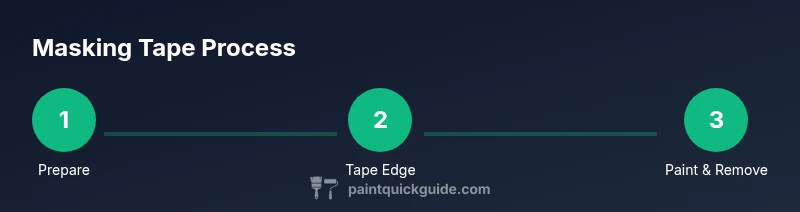
- 1
Prepare your workspace
Clear the area and protect surfaces with drop cloths. Wipe surfaces with a clean, lint-free cloth using a mild cleaner to remove oils or dust that could interfere with tape adhesion.
Tip: Label areas you plan to tape to avoid overlaps. - 2
Choose the right tape width and type
Select painter’s tape designed for the job (delicate surfaces or sharp edge lines). Check the adhesive strength and ensure it won’t lift underlying paint.
Tip: Test a small corner before committing. - 3
Clean and dry the edge to tape
Wipe the edge area with a clean cloth until completely dry. Any moisture will cause tape to slip or peel paint.
Tip: Allow any cleaner residue to evaporate before applying tape. - 4
Apply tape along the edge
Place tape with the edge just inside the line you want to protect. Press down firmly using a squeegee or credit card to seal the edge.
Tip: Roll the edge away from the painted surface to avoid lifting paint. - 5
Burnish and seal the tape
Run your tool along the taped edge to create a tight seal. This reduces paint bleed under the edge.
Tip: Apply a light touch; avoid over-pressing on delicate surfaces. - 6
Apply paint and let it dry to a touch
Apply your color or finish in thin, even coats. Allow the paint to reach a light tack before removing the tape (check paint instructions).
Tip: Thin coats reduce squeeze-out under tape. - 7
Remove tape carefully
Peel back the tape slowly at a shallow angle while the paint is still slightly tacky or just-set. If you see bleed, stop and re-burnish edges before continuing in future steps.
Tip: Pull toward you at a gentle angle and pause if lift occurs.
Your Questions Answered
What is masking tape best used for in painting?
Masking tape protects edges and creates crisp, clean lines when painting. It’s ideal for walls, trim, cabinets, and automotive panels.
Masking tape helps protect edges and create sharp lines when you paint, perfect for walls, cabinets, and car panels.
Can masking tape damage fresh paint?
If left on too long or removed forcefully, tape can lift wet or tacky paint. Always remove when the paint is at the recommended stage and pull smoothly.
Tape can lift fresh paint if you leave it on too long or yank it off. Remove carefully when the paint is ready.
How do I prevent bleed with masking tape?
Choose painter’s tape designed for edges, press edges firmly with a squeegee, and seal the edge by burnishing before painting.
To prevent bleed, use the right tape and press the edge firmly with a card or squeegee before painting.
Is masking tape reusable after painting?
Masking tape adhesive degrades after use; for best results replace with new tape for future projects.
The adhesive wears out after use, so it’s best to use fresh tape for future jobs.
Can masking tape be used on automotive paint?
Yes, but use high-quality painter’s tape designed for automotive finishes and remove promptly to avoid lifting.
It can be used on cars, but pick suitable tape and remove soon after painting to avoid lifting the finish.
What tape width should I choose for precise lines?
Thinner tapes are good for tight lines; wider tapes protect larger areas. Choose based on the edge you’re protecting.
Choose thinner tapes for tight lines and wider tapes for larger areas; match width to your edge.
Watch Video
Quick Summary
- Use the right tape for the job to prevent bleed.
- Prepare surfaces thoroughly for best adhesion.
- Burnish edges to improve seal and edge sharpness.
- Remove tape at the right time to avoid paint lift.
- Practice on a scrap area to master technique.