How to Remove Paint From Turf: A Practical Guide
Learn safe, effective methods to remove paint from turf (lawn or artificial). This PaintQuickGuide guide covers paint types, cleaning steps, tools, disposal tips, and common mistakes to avoid.


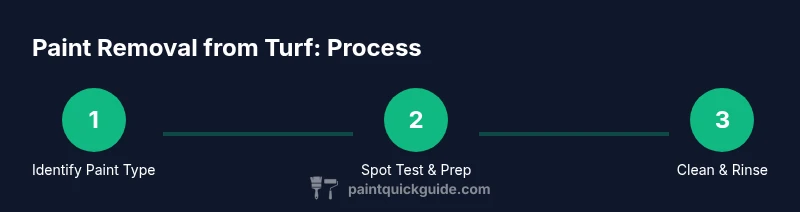
Goal: Remove paint from turf without harming grass or soil. The best approach depends on the paint type (latex/ water-based preferred). Start with a spot test, then use soap and warm water for latex paints; for other paints, use non-toxic cleaners and mechanical removal; avoid harsh solvents on living turf. For synthetic turf, mild cleaners followed by thorough rinsing is effective.
Understanding Paint Types and Turf Safety
Paint removal strategies vary with the paint type and the turf in question. The safest starting point is to identify whether the stain is from latex (water-based) or oil-based paint, because this choice drives the cleaning method and the risk to turf. Latex paints are generally easier to lift with water and detergent, especially on grass, while oil-based paints may require solvents or mechanical methods that can stress turf if misused. PaintQuickGuide recommends testing a small, inconspicuous area first to gauge how the turf responds. If you have real grass, avoid aggressive cleaners that could burn or desiccate the blades. If you’re dealing with synthetic turf, you’ll often tolerate milder cleaners with repeated rinses; the primary concern is residue that could attract dirt or affect texture over time. In all cases, work patiently, keep roots and soil moist where possible, and avoid saturating the soil for extended periods.
Assess Your Turf: Real vs Synthetic
The cleaning approach shifts based on whether you’re dealing with living turf or a synthetic surface. Real grass can react to cleaner formulation, so it’s critical to prioritize plant safety. Latex-based paints tend to lift with simple cleaners, but oil-based stains are more persistent and may require more careful handling to avoid root damage. Synthetic turf, while more forgiving, still benefits from a cautious approach to prevent backing damage and residue buildup. Always consider shade, drainage, and recent rainfall, which can influence how paint interacts with the surface. PaintQuickGuide stresses that protective steps—like shielding surrounding plants and using non-slip footwear—help prevent accidental spread and injuries.
Quick Tests and Prep: Spot Testing
Before applying any cleaner broadly, perform a spot test on an out-of-the-way area. Dampen the stained spot with water, apply a small amount of mild soap, and gently scrub with a soft brush. Observe any color change or blade response over a 5–10 minute window. If the turf remains unharmed and the paint begins to lift, you can proceed more boldly with the full cleaning plan. PPE (gloves and eye protection) should be worn during testing and cleaning to avoid irritation from cleaners.
Cleaning Latex-Based Paint on Real Turf
Latex paint responds well to warm water and a mild dish soap solution. Mix a few drops of soap in a liter of warm water, apply to the stained area, and scrub with a soft-bristle brush using gentle pressure. Rinse thoroughly with clean water, and repeat as needed until no visible color remains. If the stain lingers, re-wet the spot and reapply the cleaner, allowing extra dwell time (5–10 minutes) before scrubbing again. Avoid heavy scrubbing that can mat grass blades or disturb soil structure.
Handling Oil-Based Paint and Dried Stains
Oil-based paints are more stubborn and may resist water-based cleaners. Rather than jumping to harsh solvents, start with mechanical removal—scraping gently with a plastic putty knife or scraper to lift the film, followed by rinsing. If a solvent is considered, limit its use to a small, well-ventilated area and wipe with a clean cloth, never applying solvent directly to soil for extended periods. For living turf, the goal is to minimize exposure and quickly rinse away any residue. In all cases, avoid letting solvent run into soil beds where microorganisms and roots could be affected.
Cleaning on Synthetic Turf: Gentle Methods
Synthetic turf tolerates mild cleaners well, but you should avoid solvents that could degrade backing materials or infill. A gentle soap-and-water solution, applied with a soft brush, can lift pigment without harming the surface. Rinse thoroughly with plenty of water to remove all residues. If staining persists, consider a small amount of a non-abrasive cleaner and repeat the wash, then dry the surface with towels or air-drying. Always check manufacturer guidelines for your specific turf product before applying cleaners.
Rinsing, Drying, and Re-Evaluating
After cleaning, rinse the entire treated area until the water runs clear. Inspect the turf under good lighting for any remaining pigment. If color reappears after drying, repeat the cleaning cycle, focusing on still-stained areas. Allow the turf to dry completely before walking on it to prevent soil compaction and blade damage. This step is especially important for real turf, where moisture can promote weed growth or fungal issues if left damp.
Authority Sources
For best practices and safety considerations, consult extension services and environmental agencies. You can reference: Extension publications from universities on turf care and safe chemical use, and EPA guidelines for disposing of paint-related waste. These sources provide evidence-based recommendations to support the methods described here and help you avoid turf damage or soil contamination.
Aftercare: Tool Cleanup and Safe Disposal
Once you finish, clean all tools promptly with water and soap to prevent paint buildup. Wipe down brushes and scrapers, rinse off any residue, and let them dry completely before storage. Collect and dispose of used wipes, rags, and disposable gloves according to local regulations for household hazardous waste when required. Do not pour leftover paint or dirty cleaners down the drain if local guidelines prohibit it; instead, follow your municipality’s disposal guidelines. This careful disposal helps protect turf health and surrounding waterways, aligning with best practices promoted by PaintQuickGuide.
Tools & Materials
- Dish soap (mild)(Liquid detergent is fine; avoid harsh detergents.)
- Warm water(For diluting cleaners and softening paint.)
- Soft-bristle brush(Choose a brush with gentle stiffness to prevent blade damage.)
- Spray bottle(For apply-and-dwell cleaner to stains.)
- Garden hose with spray nozzle(To rinse thoroughly and control flow.)
- Plastic sheeting/old tarp(Protects surrounding plants and soil from splatter.)
- Protective gloves(Nitrile or latex gloves to protect skin.)
- Eye protection(Safety glasses recommended.)
- Plastic scraper (optional)(Gently lift stubborn paint films; use carefully.)
- White vinegar (optional)(Mild alternative cleaner for natural turf.)
- Non-toxic paint remover (optional)(Only if latex-based paints resist soap and water.)
Steps
Estimated time: 60-90 minutes
- 1
Identify paint type
Determine whether the stain is latex-based (water-based) or oil-based by checking the paint can label if available, or by testing a small area with water. Knowing the paint type guides the cleaning method and minimizes turf risk. Gather PPE before proceeding.
Tip: Check any label and local guidelines; a quick test helps prevent damage. - 2
Protect area and prepare
Cover surrounding plants and soil with plastic sheeting to catch splatter. Gather all cleaners, brushes, water supply, and disposal bags in one zone to avoid stepping on treated turf during the process.
Tip: Keep pets and kids away from the work zone to reduce exposure. - 3
Perform spot test
Dampen a hidden area with water, apply a drop of mild soap solution, and lightly scrub. If there’s no blade damage and the stain shows early signs of lifting, proceed to full-area cleaning.
Tip: Do not apply heavy cleaners before confirming no turf damage. - 4
Treat latex paint with cleaner
Mix a small amount of mild dish soap in warm water. Apply to the stained area and gently scrub with a soft brush, working from the outside of the stain toward the center.
Tip: Let the cleaner sit for 5–10 minutes to loosen pigment. - 5
Rinse and repeat for latex
Rinse with clean water and recheck. If pigment remains, reapply cleaner and scrub again. Avoid over-wetting the soil to prevent underlying issues.
Tip: Patience yields better lift without turf stress. - 6
Address stubborn paint with care
For dried or stubborn spots, re-wet the area and scrub more firmly with a soft brush, or use a plastic scraper very gently. If you must use a solvent, apply to a cloth and dab a tiny area away from roots and soil.
Tip: Limit solvent exposure and perform another rinse after use. - 7
Rinse thoroughly
Rinse the treated area thoroughly until no color remains and the water runs clear. Inspect under bright light; repeat cleaning if necessary.
Tip: A thorough rinse prevents residue that could invite dirt buildup. - 8
Clean tools and dispose
Wash brushes, towels, and tools with soap and water. Bag used wipes and dispose of them according to local hazardous waste guidelines.
Tip: Do not pour leftover solvents into soil or drainage.
Your Questions Answered
Can I use bleach or strong solvents to remove paint from turf?
Bleach and strong solvents can damage both real and synthetic turf and harm the soil. Start with milder cleaners and test a small area before broader use.
Bleach is usually not recommended for turf. Start with milder cleaners and test first.
What is the best cleaner for latex-based paint on real turf?
Mild dish soap with warm water is typically effective. Scrub with a soft brush and rinse; repeat if needed.
Soap and water usually work well for latex paint.
Is it safe to use mineral spirits on turf?
Mineral spirits can damage grass and soil; avoid on real turf. For tough stains, use mechanical methods first and milder cleaners.
Mineral spirits can harm turf, avoid it on living lawns.
How long should I rinse after cleaning?
Rinse until water runs clear and no paint is visible, usually several minutes, then recheck under good light.
Rinse until the water is clear.
Can I clean synthetic turf with household cleaners?
Yes, mild dish soap and water are safe for synthetic turf. Avoid heavy solvents that could degrade backing or infill.
Mild soap and water work for synthetic turf.
What if paint remains after cleaning?
If residue persists after several cycles, repeat the cleaning steps for latex-based stains. For tougher stains, consider professional cleaners or turf replacement if needed.
If it won’t come out, repeat steps or seek professional help.
Watch Video
Quick Summary
- Identify paint type before cleaning
- Use latex-friendly soap-and-water first
- Rinse thoroughly until no residue remains
- Dispose of waste responsibly and protect surrounding areas