How to Clean Paint Off Concrete: A Practical Guide
Learn safe, effective methods to remove paint from concrete—patios, sidewalks, and garages—using mechanical, chemical, and sealing techniques with practical disposal tips and safety.


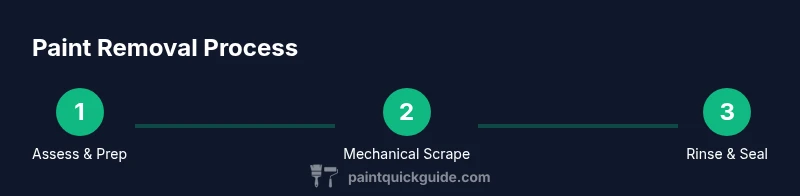
Goal: remove paint from concrete safely and effectively. Start with a quick assessment of the coating and surface, then use mechanical scraping and scrubbing to lift layers. If stubborn spots remain, apply a chemical stripper following the label and ventilate well. Finish with a thorough rinse and seal to protect the surface.
Understanding paint adhesion on concrete
Concrete is a porous, textured surface that grabs onto paint through tiny pores and roughness. The type of paint (latex, oil-based, epoxy) and the surface condition—whether it's clean, damp, or weathered—greatly influence how easily the coating lifts. Before you pick a method, consider factors like the paint age, any previous coatings, and the presence of sealers. In general, latex paints are easier to lift than oil-based or epoxy coatings, but older layers may stubbornly cling. The goal of this planning step is to choose a removal approach that minimizes damage to the concrete while maximizing surface cleanability. Use eye protection and a dust mask during inspection, and note any nearby plants or masonry joints that could be affected by solvents. According to PaintQuickGuide, a cautious, methodical start reduces surprises and keeps the project efficient while protecting the surrounding environment.
Mechanical removal methods
Mechanical removal relies on physical force rather than chemicals. Start with gentle scrapes using a putty knife or scraper to lift loose paint. Follow with a stiff-bristled brush or wire brush to loosen embedded coatings in textured areas. For stubborn patches, switch to more aggressive scraping in small sections, always working in manageable panels to prevent gouging the concrete. If the coating is thin and well-adhered, light abrasive pads or a rotating scrubber can help. Always test a small area first to gauge the concrete’s reaction and avoid creating deep scratches. This approach is well-suited for exterior concrete, like driveways and patios, where weathering has helped loosen the paint’s grip.
Chemical paint strippers: pros and cons
Chemical strippers can be powerful allies when surface prep is critical. They soften or lift stubborn coatings, reducing the amount of manual scraping needed. When choosing a stripper, prioritize products labeled for use on concrete and follow the manufacturer’s dwell time exactly. Always use in a well-ventilated area and wear appropriate PPE. Test the stripper on a hidden patch first to ensure it won’t discolor or damage the concrete. Note that some strippers may require protective wrap or containment to prevent runoff into gardens or storm drains. For many homeowners, chemical strippers are most effective on enamel and thick coatings that refuse to yield to mechanical methods alone.
Surface prep after removal and sealing
After paint removal, the surface will often feel rough and dust-laden. Rinse thoroughly to remove residues, then scrub with a clean brush and rinse again. Allow the concrete to dry completely before applying any sealers or coatings. Consider applying a penetrating concrete sealer or stain-blocking primer to reduce future paint absorption and simplify maintenance. If you plan to repaint, choose compatible primers and test adhesion on a small area first. Proper post-removal care not only improves the appearance but also increases the longevity of your next coating.
Safety, disposal, and environmental considerations
Always wear PPE: gloves, safety goggles, and a respirator when using chemical strippers or sanding dust. Ventilate well if working indoors or in enclosed spaces. Collect and dispose of paint chips and stripper waste according to local regulations—do not pour chemicals down drains. Use plastic sheeting to contain debris and prevent it from spreading to nearby landscaping or paved surfaces. After cleaning, check with local waste authorities about household hazardous waste disposal days or facilities. Following these guidelines protects you and the environment while delivering better results.
Authority sources
- EPA: Lead in Paint, Dust, and Soil (https://www.epa.gov/lead)
- OSHA: Lead in Construction (https://www.osha.gov/lead)
- CDC/NIOSH: Lead Topics (https://www.cdc.gov/niosh/topics/lead/)
These sources provide foundational safety and disposal guidance related to paint coatings and hazardous materials. Always cross-check recommendations with local regulations and project specifics.
Tools & Materials
- Putty knife or scraper(2–4 inch blade; use to lift loose paint.)
- Wire brush(Stiff bristles; good for crevices and rough concrete.)
- Stiff-bristled scrub brush(For embedded particles and flat surfaces.)
- Plastic drop cloths or tarps(Contain debris and protect adjacent areas.)
- Chemical paint stripper(Follow label; use only in ventilated areas and test first.)
- PPE kit (gloves, safety goggles, respirator)(NIOSH-approved respirator for chemicals.)
- Pressure washer(Variable psi; use with caution and a wide nozzle.)
- Plastic or metal disposal bags(Seal and bag waste before disposal.)
- Garden hose for rinsing(Rinse thoroughly after each method.)
Steps
Estimated time: 2-5 hours
- 1
Assess paint and surface
Begin by identifying the paint type and examining the concrete for cracks or soft spots. Use a small inconspicuous patch to test how the surface reacts to each method. Decide whether you’ll start with mechanical methods or a chemical stripper based on coating thickness and surface integrity.
Tip: Testing a tiny area first prevents unexpected damage and helps tailor your approach. - 2
Prepare the work area
Clear surrounding furniture and cover nearby plants and pavement with drop cloths. Dampen the surface slightly to minimize dust, and set up a containment zone to collect debris. Ensure good ventilation if solvents will be used.
Tip: Keep a bucket of clean water nearby to rinse tools and reduce dust carryover. - 3
Scrape and scrub loose paint
Use the putty knife to lift loose layers, then scrub with a stiff-bristled brush to loosen adhered coating. Work in small sections and keep blade at a shallow angle to avoid gouging the concrete. Revisit stubborn patches with renewed pressure only after a brief rest.
Tip: Work from the outer edges toward the center to avoid spreading loose material. - 4
Apply chemical stripper if needed
If mechanical methods fail on stubborn areas, apply the chemical stripper as directed on the label. Apply a thick layer and let it dwell for the recommended time, usually minutes to hours. After dwell, test a patch and gently lift the softened paint with your scraper.
Tip: Ventilate well and never mix strippers with other cleaners. - 5
Rinse and evaluate
Rinse the area thoroughly with water from a hose or pressure washer on a gentle setting to remove residue. Evaluate remaining paint and repeat a second pass if necessary using the least aggressive method that works.
Tip: Dry patches will show true coating coverage; don’t misread damp surfaces as complete removal. - 6
Dry, seal, and plan next steps
Allow the concrete to dry completely before applying a sealer or paint primer. Sealing helps prevent future absorption of paints and simplifies any future maintenance. If you plan to repaint, select a compatible primer and follow product directions for best adhesion.
Tip: Fully cured surfaces ensure better sealant performance and longer-lasting results. - 7
Dispose of waste responsibly
Bag debris and chemical waste in sealed containers and follow local disposal regulations. Do not pour solvents down drains or onto soil. Check with local hazardous waste programs for pickup or drop-off dates.
Tip: Keep waste out of reach of children and pets until properly disposed.
Your Questions Answered
What is the best method to remove paint from concrete?
The best method depends on the paint type and area. Start with mechanical scraping and scrubbing, then use a chemical stripper only if needed. Always test a small patch first and follow safety guidelines.
Start with scraping and scrubbing. If needed, add a chemical stripper, but test first and protect yourself with PPE.
Can I use a pressure washer to remove paint from concrete?
Pressure washing can help remove loose paint, but it may damage delicate edges or smooth surfaces. Use a low to medium setting and keep the nozzle at a safe distance to avoid etching.
Yes, but use a gentle setting and keep the nozzle away from the surface.
Is it safe to use chemical paint strippers indoors?
Avoid using chemical strippers indoors due to fumes unless you can provide excellent ventilation and PPE. Outdoor or well-ventilated areas are safer options.
No—fumes can be dangerous indoors; ventilate or work outside.
Will removing paint damage the concrete?
Damage is unlikely if you use appropriate methods and avoid aggressive grinding. Test on a small area and proceed gradually, especially on aged or textured concrete.
If you test first and use gentle methods, damage is unlikely.
How long does it take to clean paint off concrete?
Time varies with paint type and surface size. Plan for several hours, potentially longer for thick coats or difficult textures.
It varies, but set aside several hours for a thorough job.
How should I dispose of paint waste?
Do not pour paint or solvents down drains. Bag waste and follow local hazardous waste guidelines for disposal.
Don’t dump it. Check local rules for hazardous waste disposal.
Watch Video
Quick Summary
- Assess and plan before starting
- Use mechanical methods first to minimize chemical exposure
- Work in small sections to avoid surface damage
- Rinse thoroughly and dry completely before sealing
- Dispose of waste responsibly and follow local rules