Prime Over Old Paint: When to Prime and How to Prep
Learn when priming over old paint is necessary, how to prep surfaces safely, and which primers work best for walls, wood, and auto refinishing. Practical steps, common pitfalls, and expert guidance from PaintQuickGuide.


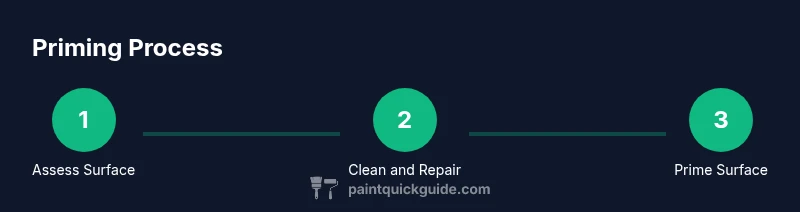
Do you need to prime over old paint? Yes in most cases, especially if the surface is peeling, chalky, glossy, or stained. Priming improves adhesion, blocks stains, and seals the surface for a uniform finish. Start with a surface assessment, then clean, lightly sand, and use a bonding primer before applying your topcoat.
Do you need to prime over old paint? Context and basics
Do you need to prime over old paint? The short answer is yes in most repainting scenarios, but there are exceptions. Priming prepares a tired surface for new color by improving adhesion, blocking stains, and preventing paint from soaking unevenly into porous areas. According to PaintQuickGuide, a properly chosen primer creates a uniform base, which helps the new paint look better and last longer on both walls and surfaces like wood or metal. Start with a calm assessment of the current finish and plan the steps accordingly. If the old coating is peeling, chalky, highly glossy, or shows severe staining, priming is not optional but essential. This initial check sets the foundation for durability and color accuracy. Do you need to prime over old paint? In practice, treating the surface right from the start minimizes the risk of premature failure and saves you time and money on rework.
Surface Conditions That Require Priming
Surface prep is the bridge between old paint and a durable finish. Peeling or flaking paint exposes layers that won’t bond well to new coats. Chalky finishes indicate high porosity that soaks up primer, resulting in a blotchy appearance. Glossy surfaces resist adhesion, and stains such as watermarks or ink bleed can migrate through fresh paint if not blocked. In these cases, priming is not a luxury but a necessity to ensure uniform color and lasting adhesion. For homeowners and auto refinishing hobbyists, it is also wise to consider the environmental conditions—temperature and humidity influence how primer dries and cures. A well-chosen primer tailored to the surface you are working on will improve the likelihood of a long lasting, even finish. The PaintQuickGuide team emphasizes that identifying these conditions early reduces guesswork and helps you choose the right primer type.
Primer Types and When to Use Them
Primers are not one size fits all. For walls with bare wood or previous oil or water stains, a bonding primer helps new paint adhere to difficult surfaces. If staining is a concern or you are covering dark colors, a stain blocking or shellac-based primer can prevent bleed through. For moist areas or kitchens, a moisture-resistant primer reduces the risk of mold and mildew showing through. In auto refinishing or metal surfaces, a specialized rust-inhibiting or adhesion promoter may be necessary. A water-based acrylic primer is a common all-around option for interior walls, while oil-based or shellac primers excel on problematic surfaces. The right choice depends on the substrate, the existing paint type, and the final topcoat you plan to apply. PaintQuickGuide recommends testing a small area to confirm adhesion before committing to the full project.
Prep Steps Before Priming
Prep is the unsung hero of a successful paint job. Begin by cleaning the surface with a mild detergent and water to remove dirt, oils, and soap residues. Rinse and allow to dry completely. If there is peeling paint, scrape it away and repair substrate with putty or filler; smooth the repaired area so the primer can lay down evenly. Lightly sanding the entire surface creates a micro-roughness that gives the primer something to grab onto. Wipe away dust with a tack cloth and protect nonpainted areas with masking tape and drop cloths. Finally, arrange your materials and confirm dry times on the primer label. A clean, prepared surface is the foundation of a durable finish and reduces the likelihood of visible defects after painting.
Applying Primer Correctly
Apply primer in thin, even coats rather than heavy layers. Start at edges and corners using a cutting-in technique, then use long, even strokes for broad surfaces. Allow the primer to dry per the manufacturer recommendations and inspect for coverage and uniformity. If the first coat shows uneven areas, a second light coat often provides better results than piling on a single thick layer. Sand lightly between coats if required by the product and remove the dust before applying the topcoat. Proper drying times are vital to avoid trapping solvents and creating soft spots that lead to later failure. For glossy or nonporous surfaces, a tacky deglossing step can improve adhesion before priming. Following these steps helps ensure a smooth, uniform finish that resists peeling and staining over time.
Priming for Different Substrates: walls, wood, metal, and car bodies
Walls usually respond well to mid range primers that balance adhesion and hide. Wood surfaces benefit from primers designed to seal knots and prevent tannin bleed, especially on softwoods. Metal requires primers with rust inhibitors and good corrosion resistance. Auto refinishing or metal prep may need a specialized adhesion promoter to ensure the topcoat adheres in demanding conditions. Surfaces that have been previously painted with oil-based coatings may require a sanding step and a compatible primer to avoid lifting the old finish. Always consult the primer label for surface compatibility and application temperatures. The bottom line is that substrate, not color, drives primer selection. A well matched primer creates a better bond, reduces topcoat problems, and improves long term durability.
Common Mistakes and Troubleshooting
Mistakes often hinge on skipping cleaning, inadequate scuffing, skipping dry times or choosing a primer that is not compatible with the topcoat. Over-wetting the surface can cause primer to run, while under-wetting can trap dust and hinder adhesion. In humid environments, primer drying times extend; plan accordingly and allow longer cure times. If staining bleeds through after priming, you may need a dedicated stain-blocking primer or a second coat. If raised grains appear on wood after priming, a fine sanding and clean dusting will help. Finally, never skip safety steps when working with old paints that may contain lead or other hazards. Following a thorough prep ritual and using the correct primer set will deliver a durable, uniform finish.
Do I Still Need to Prime in Every Situation
Priming is not always required but is often beneficial. New, sealed, or seamless surfaces may accept topcoats with minimal prep if the existing paint is compatible and in excellent condition. In such scenarios, a light cleaning and scuff sanding may suffice and allow you to skip priming for that particular project. However, if you are changing color drastically, working with stained surfaces, or painting over a glossy finish, priming remains the most reliable path to a smooth, even, and long lasting result. When in doubt, primer is a wise investment to guarantee color fidelity and adhesion.
Final Considerations and Quick Reference
The decision to prime over old paint rests on surface condition, substrate, and the desired finish. Always test adhesion in a small area before committing, and follow the primer's dry time recommendations. If you are unsure about lead paint or other hazards present in older homes or vehicles, consult official safety guidelines and consider hiring a professional for safe remediation. A well planned prep and the correct primer choice will yield the best possible outcome and help ensure your project endures for years to come.
Tools & Materials
- Primer (bonding or stain-blocking as needed)(Choose based on surface and stains)
- Degreaser or mild detergent(For cleaning prior to priming)
- Mild soap or cleaner(If surface is greasy)
- Sanding block or sandpaper (120-220 grit)(Lightly scuff glossy or aged surfaces)
- Tack cloth(To remove fine dust)
- Painter’s tape(Protect edges and trim)
- Drop cloths or old sheets(Protect surrounding areas)
- Paint roller and tray(For large areas)
- Quality angled brush for cutting in(Corners and edges)
- Respirator or masks(Dust and fumes protection)
- Gloves(Hand protection)
- Primer compatible with topcoat(Ensure labeling shows compatibility)
- Putty or filler(For repairs on damaged surfaces)
- Soap and water bucket(For quick cleanups)
- Heat gun or hair dryer(Optional for speeding dry times on certain primers)
Steps
Estimated time: 2-6 hours plus dry time
- 1
Inspect surface and repair
Examine the old paint for peeling areas, stains, or moisture damage. Plan repairs with filler where needed and identify whether you will need a stain blocking primer. This step reduces rework and helps you select the right primer.
Tip: Document problem areas before you start to ensure you address all issues. - 2
Clean and degrease
Wash the surface with a mild detergent and water to remove dirt, oils, and wax. Rinse thoroughly and let dry completely. A clean surface improves primer adhesion and evenness.
Tip: For kitchens and high traffic walls, consider a degreasing step before washing. - 3
Remove loose material and degloss
Scrape away peeling paint and lightly degloss glossy finishes with a mild abrasive or deglosser. This creates a mechanical key that helps primers bond better.
Tip: Do not press too hard or you may damage the surface. - 4
Sand to create tooth
Lightly sand the entire surface starting with coarser grit if needed, then finish with a finer grit to smooth. Wipe away dust with a tack cloth.
Tip: Avoid oversanding if you have thin paint layers; you want a slight roughness for adhesion. - 5
Choose the right primer
Select a primer that matches the substrate and the topcoat you will apply. Bonding primers suit glossy surfaces, stain blockers handle bleed-through, and oil-based primers work well on difficult surfaces.
Tip: Read the label for compatibility with your topcoat. - 6
Apply primer thinly and evenly
Use a brush to cut in edges and a roller for broad areas. Apply a light coat; avoid pooling. Allow to dry per the product instructions.
Tip: If coverage looks uneven, apply a second thin coat rather than a heavy single coat. - 7
Dry and assess adhesion
Let the primer dry fully. Lightly sand again if recommended and check adhesion in a small area. Look for uniform color and absence of blotches before topcoating.
Tip: Dry times vary with temperature and humidity; ignore the clock only if the product requires it. - 8
Topcoat after primer
Proceed with your chosen paint color once the primer is thoroughly dry. A well-executed primer step yields a smoother topcoat with fewer coats and better durability.
Tip: Avoid rushing the topcoat; ensure the primer is fully cured.
Your Questions Answered
Do I always need to prime over old paint?
Not always. If the surface is sound, clean, and smooth, some topcoats can adhere without a primer, especially when changing to a compatible color. However, priming is generally advisable when dealing with stains, gloss, or color changes to ensure durability.
Priming is often wise, especially with stains, gloss, or color changes. If the surface is clean and sound, you may skip primer, but test adhesion first.
What if the old paint is in good condition and matches the new color?
If the old paint is firmly adhered, not peeling, and you are not changing the color drastically, you might get away with cleaning and a light scuff. For consistent color and better adhesion, a thin primer can still improve the finish.
If the old paint is in good shape and color change is minor, you can try cleaning and light scuffing, but primer can still help long-term durability.
Can I prime over oil-based paint with water-based primer?
Oil-based paints generally require oil-based primers or shellac primers for best adhesion. A water-based primer may work in some cases after thorough abrading, but for reliability, use a compatible primer recommended on the product label.
Usually stick with a primer that matches the topcoat type; oil-based over water-based is not ideal unless the label says it’s compatible.
How can I tell if primer is dry before painting?
Check the manufacturer's drying time on the label and perform a light touch test in an inconspicuous area. If the surface feels tacky or leaves residue on your finger, it needs more time to cure.
Look at the label for dry time and do a gentle touch test in a hidden spot to be sure it is dry.
Are there safety concerns with old lead paint and priming?
Lead paint requires careful safety procedures. If you suspect lead, follow local regulations, use containment, wear protective gear, and consider professional remediation. Avoid sanding lead paint without proper precautions.
If you think lead paint is present, follow safety guidelines and seek professional help for safe removal or containment.
Watch Video
Quick Summary
- Assess old paint and surface damage before priming
- Select primer type based on surface and bleed risk
- Thorough cleaning and light scuffing improve adhesion
- Dry times matter; don’t rush the topcoat
- Test adhesion in a small area if unsure