Can You Get Paint Off Concrete: A Practical How-To Guide
Learn proven methods to safely remove paint from concrete surfaces such as driveways, garages, and floors. This guide covers mechanical removal, chemical strippers, safety, disposal, and after-care.


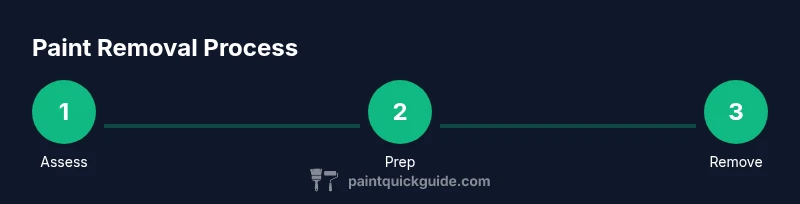
You can remove paint from concrete using mechanical methods (scraping, grinding, pressure washing) or chemical strippers, depending on paint type and surface condition. Start by identifying the paint formulation and testing a small area. For most concrete surfaces, a blend of abrasion and cleaners yields solid results, while older or hazardous coatings require containment and proper disposal. Always wear PPE and follow local rules.
Can You Get Paint Off Concrete? What Works and Why
If you ask can you get paint off concrete, the answer is yes—often with methods that respect the substrate. The success hinges on paint type (water-based, acrylic, or solvent-based), how long the coating has been on the surface, and whether the concrete is sealed, polished, or scored. Before you commit to a removal method, identify the paint formulation and perform a quick test patch in an inconspicuous area. This helps you gauge whether water, solvents, or abrasion will damage the texture or leave etching marks. According to PaintQuickGuide, starting with the gentlest approach and escalating only as needed minimizes risk to the concrete while maximizing coating removal. For most DIY projects, mixing mechanical action (scraping or light grinding) with a compatible cleaner removes the vast majority of decorative paint without requiring harsh chemicals. If you encounter lead-based or heavily pigmented coatings, follow safety guidelines and disposal regulations to protect occupants and the environment. Be mindful of ventilation and keep pets and children away from the work zone.
Understanding the Paint: Water-Based vs Solvent-Based on Concrete
Concrete accepts water-based and solvent-based paints differently. Water-based paints are generally easier to remove with warm water, mild detergents, and mechanical agitation, while solvent-based paints may require stronger cleaners or abrasives. The porous nature of concrete means that older coatings can penetrate slightly; that’s why testing a patch is essential. If the paint resists, consider steps like scoring the surface to improve key and cleaning with appropriate cleaners. Paint removal on concrete is typically more efficient when you balance solvent strength with earth-friendly products. PaintQuickGuide notes that failing to test can lead to over-scratching or surface dulling, especially on decorative finishes. Always record the patch results to guide your overall approach. For large areas, plan a staged approach to avoid over-wetting or over-heating the material.
Safety First: PPE, Ventilation, and Containment
Safety cannot be an afterthought when removing paint from concrete. Wear a properly fitted respirator (NIOSH-rated) for chemical exposure, goggles to protect eyes, and chemical-resistant gloves. Long sleeves and pants prevent skin contact, and a disposable coverall helps keep clothing clean. Ventilate the space well, especially indoors, and use plastic sheeting or drop cloths to contain dust and splashes. If lead-based paint is a possibility, use stricter containment and disposal practices and consider hiring a professional. Always keep a first-aid kit and water nearby in case of accidental contact or exposure. A written safety plan improves compliance and reduces risk.
Prepping the Area: Cleaning and Protecting Surroundings
Clear the work zone of lamps, furniture, and floor mats. Cover nearby finishes with drop cloths and seal off drains or vertical openings to prevent debris from drifting. Remove loose soil and previous coatings by sweeping or vacuuming with a HEPA-equipped vacuum. Wet cleaning with a mild detergent helps loosen surface grime that would otherwise interfere with the removal process. For exterior surfaces, protect plants and landscaping from solvents. If you’re working in a garage or basement, set up a temp barrier and ensure adequate airflow to reduce solvent buildup. Clean up spills promptly using absorbent materials and follow local disposal rules for runoff.
Mechanical Removal Methods: Scraping, Grinding, and Pressure Washing
Mechanical removal is often the backbone of surface paint removal on concrete. Start with a putty knife or stiff scraper to lift peeling edges. For stubborn coatings, use an angle grinder with a diamond cup wheel or a concrete sander, moving steadily to avoid gouging the surface. A pressure washer can help remove debris after abrasion, but test on a small area first to prevent etching. Work in progressive passes and keep the surface wet if using water-based cleaners to minimize airborne dust. When using mechanical methods, monitor heat build-up to prevent thermal damage, and pause if you see deep scoring or dulling. PaintQuickGuide emphasizes balancing aggressiveness with substrate integrity; excessive grinding can alter texture or create new cracks.
Chemical Strippers: Types, Effectiveness, and Precautions
Chemicals can soften or dissolve paint, making it easier to scrape away. Choose strippers labeled for concrete and compatible with your paint type; follow the manufacturer’s directions. Apply evenly and allow the recommended dwell time before agitation or scraping. Work in small areas and ventilate the space; never mix strippers with unknown cleaners. Neutralize residues with water or a pH-balanced cleaner as directed. For indoor use, select low-odor formulations to reduce indoor air contamination. If you plan to recoat, ensure the surface is completely dry and free of stripper residues before applying the new coating.
Heat Methods and Alternatives: When They Make Sense
Heat-based removal (heat guns) can soften coatings for easier scraping but can also damage the concrete if misused. This method is most effective on thick, old coats that respond to heat without causing surface blistering. Use a heat shield and keep the nozzle moving to avoid localized overheating. For delicate finishes, avoid heat and rely on mechanical or chemical methods. Always monitor surface temperature and avoid open flames near solvents. Heat alone rarely provides complete removal; it should be combined with other techniques for thorough results.
Cleaning Up, Neutralizing, and Drying the Surface
After any removal method, thoroughly rinse the area with clean water to remove residues. If you used chemical strippers, neutralize and wash according to the product instructions. Dry the surface completely to prevent moisture from seeping into concrete pores, which can affect adhesion of new coatings. Inspect the surface for remaining paint flecks and rework as needed. A final wipe with a damp cloth in combination with sunlight or fans speeds up drying. If the area will be recoated, test a small patch again after drying to confirm the surface is adequately prepared.
When to Call a Pro: Cost and Risk Considerations
While DIY paint removal on concrete is feasible, some projects benefit from professional service, especially large areas or coatings with hazardous components. A pro can evaluate substrate condition, ensure proper containment for lead-based paints, and manage disposal compliantly. Costs vary with area, paint type, and chosen method; weigh the expected time investment against the cost of outsourcing. For historic or high-visibility installations, professional work may yield a more uniform, durable result and reduce rework.
Authority Sources
To corroborate the best practices, refer to government and university resources on paint removal and safety:
- EPA Lead Paint information: https://www.epa.gov/lead
- CDC Lead Poisoning Prevention: https://www.cdc.gov/nceh/lead/prevention/default.htm
- OSHA: https://www.osha.gov
These sources provide foundational guidance on hazardous coatings, safe handling, and disposal.
Authority Sources (Continuation)
Practical guidelines for DIYers come from established agencies and extension services that address coating removal safety, worker protection, and environmental considerations. Always verify current regulations in your jurisdiction and consult local waste management authorities for disposal rules.
Tools & Materials
- Respirator, NIOSH-approved(Half-face or full-face with P100 filters; use when handling chemical strippers and during sanding)
- Safety goggles(ANSI-approved splash protection; goggles should seal around the eyes)
- Chemical-resistant gloves(Butyl or nitrile gloves; select thickness for solvent exposure)
- Drop cloths or plastic sheeting(Protect adjacent areas and catch debris; secure edges with tape)
- Plastic putty knife / scraper(Stiff blade for lifting loose paint and debris)
- Stiff-bristled brush(Scrub to loosen embedded paint and odors)
- Pressure washer (optional)(Use with caution to avoid etching; test on a small area first)
- Angle grinder with diamond cup wheel (heavy coatings)(Only on tough, thick coatings and when surface appears suitable)
- Concrete sander or grinder (optional)(Use with vacuum attachment to minimize dust)
- Detergent and neutralizer solutions(Mild soap for cleaning; pH-neutral for rinsing after stripper use)
- Sealant or coating for aftercare (optional)(Choose compatible finish after confirming the surface is clean and dry)
- Waste bags and labeling supplies(Contain and label debris and chemical waste per local rules)
Steps
Estimated time: 3-6 hours
- 1
Assess and test
Identify paint type and test a small patch to gauge response to chosen method. Note substrate condition and plan for containment if lead-based paints are suspected. Record results for the full project plan.
Tip: Test in a discreet area; if the patch accepts water or stripper easily, you’re likely to succeed with a gentler approach. - 2
Protect and prepare
Set up drop cloths, seal off the work area, and ensure proper ventilation. Put on PPE and prepare your cleaning station with water, detergents, and neutralizers as needed.
Tip: Ventilation is essential; even water-based cleaners can release odors in enclosed spaces. - 3
Choose removal method
Decide whether to start with mechanical methods, chemical strippers, or a combination. Prepare the tools and read product instructions before applying.
Tip: Start with the least aggressive method to preserve concrete texture. - 4
Apply stripper or begin abrasion
Apply chemical stripper if using chemicals, or begin mechanical removal with a scraper or grinder. Follow dwell times for chemicals and maintain even pressure during abrasion.
Tip: Keep the area damp during chemical application to prevent dust and reduce vapor buildup. - 5
Scrape and agitate
Scrape off softened paint and continue to agitate with a stiff-bristled brush as needed. Work in small sections to maintain control and avoid over-scratching.
Tip: Wipe away debris frequently to assess progress and avoid rework. - 6
Rinse and neutralize
Rinse thoroughly with water; apply neutralizing solution if stripper was used and then rinse again. Dry the area completely.
Tip: Use a wet-dry vacuum to remove excess water and speed up drying. - 7
Inspect and repeat if needed
Inspect the surface for remaining paint flecks. Repeat steps 4-6 on any stubborn sections until the surface is clean.
Tip: Do not rush; thinning or over-scratching can harm the substrate. - 8
Finish and protect
Once dry, consider applying a compatible sealant or coating to protect the concrete and improve adhesion for future finishes.
Tip: Ensure the surface is completely dry and clean before applying sealant.
Your Questions Answered
Can you remove paint from concrete without damaging the surface?
Yes, with a careful approach that matches paint type and surface condition. Start with gentler methods and escalate only as needed. A patch test helps prevent over-scratching.
Yes—start with gentle methods and test a patch to prevent surface damage.
Is it safe to use chemical paint strippers indoors?
Indoor use is possible with low-odor formulations and proper ventilation. Always read the label and store chemicals safely away from children and pets.
Only use low-odor strippers indoors with good ventilation and follow the label.
How long does it take to remove paint from concrete?
Time varies by area, paint type, and method. Large areas or stubborn coatings require more passes and longer drying times between steps.
Time depends on area and paint; expect several hours for larger jobs.
Can you remove lead-based paint from concrete?
Lead-based coatings require strict containment and disposal. If you suspect lead, consider hiring a licensed professional to ensure safety and regulatory compliance.
Lead paint needs special handling; a professional is safest if lead may be present.
What disposal rules apply to chemical strippers?
Dispose of chemical wastes per local hazardous waste guidelines. Do not pour solvents down drains unless the product label explicitly permits it.
Follow local hazardous waste rules; never dump solvents unless allowed.
Should you seal concrete after paint removal?
Sealing is optional but recommended to protect the surface and improve adhesion for future coatings. Wait until the concrete is completely dry and clean.
Seal after the surface dries to protect and prep for future coatings.
Watch Video
Quick Summary
- Identify paint type before starting.
- Prioritize PPE and ventilation to stay safe.
- Choose a method based on paint and concrete condition.
- Dispose of waste per local regulations.