What to Do for Paint Smell: A Practical Guide for Home and Auto Projects
Learn practical steps to reduce paint odors in homes and workshops. From ventilation and low-VOC choices to odor absorbers and safe cleanup, get a complete, practical guide.


By the end of this guide you will know how to minimize paint odors in homes or studios. You’ll learn immediate ventilation steps, selection of safer paints, and odor-control tools to use during and after painting. Gather a fan, purifier, low-VOC paints, and basic absorbers to start reducing smells right away.
Understanding paint odors
Paint odors come primarily from volatile organic compounds (VOCs) and solvent vapors found in many paints, primers, and sealers. The strongest smells often come from solvent-based products or higher-VOC finishes. Odors vary with room size, airflow, temperature, and humidity. According to PaintQuickGuide, odor control starts with selecting safer materials and maximizing air exchange. VOCs off-gas during application and curing, so the initial hours are usually the strongest. In enclosed spaces like a garage or basement, the odor can linger longer, especially if the air is still. Identifying all sources—paints, thinners, varnishes, and adhesives—helps you tailor ventilation and absorption strategies. For auto refinishing or DIY projects, odors can be more intense due to concentrated vapors; plan accordingly with dedicated ventilation zones and safe storage. Understanding these factors empowers you to pick lower-emission products and design a plan that speeds odor relief.
Quick wins to reduce odor immediately
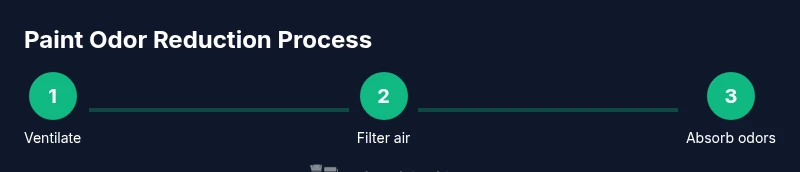
Open multiple windows to create cross-ventilation and place a box fan near one window to exhaust air outside. If possible, run a high-quality HEPA air purifier with an activated carbon filter to capture both particles and odors. Temporarily stop using the HVAC fan to avoid recirculating fumes. Keep doors open to promote air exchange, and remove people and pets from the space during the strongest odor periods. Light cleaning with a mild detergent on hard surfaces helps remove solvent residues, reducing lingering smells. Place bowls of baking soda, activated charcoal, or coffee grounds around the room to absorb odors and change them every 12–24 hours. Maintain moderate humidity to prevent VOCs from volatilizing too quickly. These quick steps can dramatically reduce initial odor levels and improve comfort while you finish the project.
Choosing low-VOC or zero-VOC paints for future projects
When planning future work, look for paints labeled as low-VOC or no-VOC. VOC content is typically indicated on the can’s label; check for certifications like Green Seal or similar, and compare product data sheets (SDS) for solvent content. Low-VOC products emit far fewer volatile compounds during curing, which translates to faster odor reduction. Remember that even low-VOC paints release some compounds, especially in larger spaces or with heat, so ventilation remains essential. For auto refinishing or high-heat environments, seek products specifically designed for lower emissions in those contexts and confirm with the manufacturer’s data. In a broader sense, adopting safer primers, sealers, and topcoats will compound odor relief over time and improve indoor air quality for everyone in the building.
Air movement and filtration: using fans and purifiers
Cross-ventilation is your first defense. Set up one box fan to pull air from the room through a window, and optionally a second fan to bring in fresh air from another opening. Run a HEPA purifier with an activated carbon filter to target both fine particles and odors. Keep fans and purifiers running for several hours after painting to accelerate odor clearance. If you notice hot or stagnant air pockets, reposition equipment to create a steady path of air moving from clean zones toward exhaust outlets. Temperature and humidity control can also help; drier air typically releases odors more slowly, but very dry air can irritate mucous membranes, so balance is key.
Odor absorbers and natural remedies
Baking soda, activated charcoal, and coffee grounds can help absorb lingering smells. Place shallow bowls in the painting area and replace them daily or when odors return. For fabric or soft surfaces, use odor-absorbing sprays or a gentle steam treatment after ventilation. Avoid overwhelming scents that can clash with the paint odors and irritate the senses. Remember, absorbers work best when paired with ongoing ventilation and clean air paths. These measures provide a practical, inexpensive layer of odor control alongside ventilation.
Dealing with solvent-based finishes and polyurethane
Solvent-based finishes often produce stronger odors due to evaporating hydrocarbons. If you must use them, ensure the space is well-ventilated and consider working outdoors or in a dedicated booth. Wear appropriate PPE, including a respirator rated for organic solvents, and keep containers tightly closed when not in use. After application, ventilate extensively and allow the finish to cure in a dry, dust-free area. If possible, substitute water-based finishes for solvents; they typically emit far less odor and cure more quietly in typical home environments. Always follow product labels and manufacturer safety data.
Cleaning up and disposing of leftover paint safely
Store leftover paint in a cool, upright location with the lid tightly closed. If the paint is dried out, it’s safer to dispose of it following local guidelines; many communities require solidified paint to be treated as household hazardous waste. Do not pour leftover paint down drains or onto the ground. Wipe rims and collectors with a lint-free cloth to minimize drips. For solvents and thinners, use proper containers and inert disposal methods as recommended by local authorities. Check your city’s website or contact your waste-management department for specifics.
Special considerations for garages, basements, or cars
If painting in a garage or basement, create a dedicated ventilation pathway that directs air outside and away from living spaces. For car refinishing or hobby projects, work in a booth or an open area with robust ventilation and filtration, and consider a portable exhaust system. Heat can accelerate odor release, so monitor temperatures; avoid sealing the space too tightly. When painting small parts, perform in a well-ventilated area and use containment strategies to prevent fumes from spreading to the rest of the home. Good practices in these settings reduce risks for occupants and pets.
Health considerations for sensitive individuals
People with asthma, allergies, or chemical sensitivities are particularly affected by paint odors. Prioritize low-VOC products, ensure continuous ventilation, and minimize time spent in newly painted spaces. If someone experiences headaches, dizziness, or throat irritation, move them to fresh air immediately and seek medical advice if symptoms persist. Parents should avoid exposing children to strong odors, and pregnant individuals should consult health professionals about indoor air quality. Always err on the side of caution when odors are perceptible and consider delaying project timelines if required.
Long-term strategies: safer paints and storage
Adopt a long-term approach by standardizing the use of low-VOC or zero-VOC paints across projects. Store paint in sealed containers away from living areas and ensure lids are tightened after each use. Keep a small air-cleaning setup handy in work areas to minimize residual odors as coatings cure. Create a simple maintenance routine that includes regular ventilation checks, air-purifier filter changes, and surface cleaning to reduce accumulations of solvents. These practices support ongoing air quality improvements and reduce odor levels over time.
Common mistakes to avoid
Avoid relying on a single fan or an empty room as a ventilation strategy. Do not ignore symptoms of poor air quality or rely on scented products to mask odors; they can irritate the respiratory system and trap solvents. Do not seal spaces during curing of solvent-based products, which traps fumes and concentrates exposure. Finally, do not skip reading labels or SDS; improper disposal or storage leads to unnecessary hazards. A consistent plan that combines ventilation, filtration, cleaner choices, and safe disposal yields the best results.
When to call a professional
If odors persist despite ventilation, or if someone experiences persistent symptoms like headaches, dizziness, or nausea, seek professional help. A certified indoor air quality specialist can assess VOC sources, airflow, and filtration efficiency, and recommend a targeted remediation plan. In auto refinishing or high-emission projects, a pro-booth or dedicated workspace with proper exhaust and filtration may be necessary. Prioritize safety and air quality; professional guidance helps protect occupants and avoid long-term exposure risks.
Tools & Materials
- Box fan(Place to exhaust air out a window; aim for strong airflow.)
- HEPA air purifier(Choose with true HEPA and activated carbon filter for odors.)
- Low-VOC or zero-VOC paints(Select for future projects to minimize emissions.)
- Openable windows/doors(Ensure cross-ventilation; create air pathways.)
- Activated charcoal(Place bowls around the room to absorb odors.)
- Baking soda(Use in shallow bowls to neutralize smells.)
- N95 respirator or organic vapor respirator(Use when handling solvents or sanding glossy finishes.)
Steps
Estimated time: 2-12 hours, depending on room size, paint type, and ventilation effectiveness
- 1
Prepare the space and safety gear
Clear the area, move people and pets to a safe zone, and don appropriate PPE if working with solvents. Identify all potential odor sources and plan cross-ventilation before starting. This setup reduces exposure and speeds subsequent air exchange.
Tip: Pre-check all vents and ensure lids on cans are closed tight. - 2
Establish cross-ventilation
Open windows on opposite sides of the room and create a breeze path. If possible, use two fans—one to pull air out and one to bring fresh air in. Cross-ventilation dramatically lowers the concentration of fumes.
Tip: Position the exhaust fan near one window and the intake fan near another. - 3
Run filtration and air cleaning
Turn on a HEPA air purifier with activated carbon and set it to run for several hours. The purifier reduces particulate matter and odors, improving air quality quickly.
Tip: Keep purifier filters clean and replace as recommended by the manufacturer. - 4
Absorb lingering odors
Place bowls of baking soda or activated charcoal around the room. Replace them every 12–24 hours and combine with ongoing ventilation for best results.
Tip: Replace absorbers when they stop smelling or after 24 hours. - 5
Surface cleaning to remove residues
Wipe down walls, windows, and any exposed surfaces with a mild detergent. Residues from solvents can contribute to ongoing odors if left unf cared for.
Tip: Use a microfiber cloth to capture residues rather than spreading them. - 6
Humidity and temperature balance
Keep humidity around 40–60% and avoid extreme heat that speeds evaporation of solvents. Balanced conditions slow the release of odors while ensuring comfort.
Tip: If humidity is high, consider using a dehumidifier. - 7
Inspect and adjust airflow
Check air movement after a few hours and reposition fans as needed to maintain a steady air path. Stagnant corners may trap odors.
Tip: Use a simple airflow check by feeling for movement near walls. - 8
Safe disposal and cleanup of leftovers
Seal leftover paint and solvents; follow local disposal rules for hazardous waste. Do not pour leftovers down drains; dried-out paint is often accepted in household waste in some areas.
Tip: Save SDS sheets and contact local waste authorities for guidance. - 9
Plan for future projects
Choose safer paints, store materials properly, and maintain ventilation practices as part of routine painting. A proactive approach reduces odors in future work.
Tip: Keep a dedicated, well-ventilated workspace for painting.
Your Questions Answered
What is the fastest way to reduce paint smell in a room?
Open windows on opposite sides, set up an exhaust fan, and run a purifier with an activated carbon filter. Combine with odor absorbers for quickest relief.
Open windows on opposite sides, set up an exhaust fan, and run a purifier with carbon filter. Add odor absorbers for fastest relief.
Are low-VOC paints truly better for odor control?
Yes, low-VOC paints emit fewer volatile compounds, which reduces odor. However, ventilation is still essential during and after application.
Yes, low-VOC paints emit fewer compounds, but you still need good ventilation.
Can I sleep in a room that was just painted?
It's best to ventilate thoroughly and wait until odors are minimal before sleeping in the room. If odors persist, consider staying elsewhere for the night.
Wait until odors are minimal before sleeping in the room; otherwise stay elsewhere for the night.
What should I do if someone feels sick from paint fumes?
Move the person to fresh air immediately and seek medical advice if symptoms persist or worsen.
Move to fresh air right away and seek medical help if symptoms don’t improve.
Is disposing of leftover paint simple or does it require special handling?
Follow local guidelines; many areas require dried-out paint to be treated as household hazardous waste. Check your local waste authority for specifics.
Check local guidelines; many places require drying out or special disposal for leftover paint.
Watch Video
Quick Summary
- Ventilate early and often to cut odors.
- Choose low-VOC paints whenever possible.
- Use absorbers and purifiers to speed odor relief.
- Dispose of leftover paint according to local guidelines.