How to Get Rid of Paint Fumes: A Practical Guide
Learn practical steps to remove paint fumes from homes and cars, minimize health risks, and clean up safely with low-VOC paints.


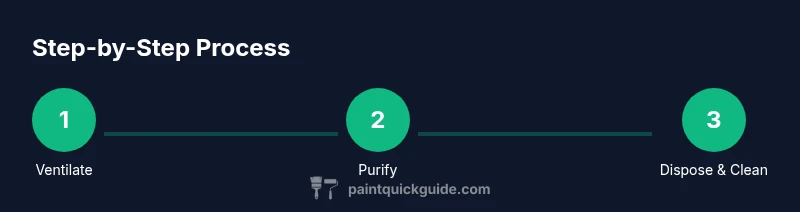
To get rid of paint fumes, start by ventilating the area and reducing ongoing exposure: open windows, use exhaust fans, turn off heat sources, and remove people and pets. Choose low-VOC paints for future work, use air cleaners with HEPA filters, and wear a mask. Follow a step-by-step cleanup and disposal plan.
Understanding Paint Fumes and Health Risks
Paint fumes come from volatile organic compounds (VOCs) that off-gas from solvents, binders, and pigments in many paints and finishes. Most indoor fumes are VOCs, and they can irritate the eyes, nose, throat, and lungs in sensitive people. Short exposures may cause headaches or dizziness, while longer exposure can worsen breathing conditions, trigger asthma symptoms, or irritate the skin. The first line of defense is to reduce the source and introduce fresh air.
According to PaintQuickGuide, the best way to begin is to treat the space as a temporary chemical workstation rather than a living room. Start with good airflow, remove people and pets, and minimize the use of solvent-based products during this project. If you must work with solvent-based paints, plan for extended ventilation and protective equipment.
VOC presence depends on paint type, temperature, humidity, and the age of the space. New finishes may gas off more strongly in the first hours after application, while cured products release far less aroma later. Fans can push fumes out of the room, but only if there is a safe path for air to escape. This means controlling doors, windows, and any vents so that fresh air enters while contaminated air leaves. Even with ventilation, some low-level odor may persist; that’s normal and manageable with patience and proper filtration.
Types of Paint and When Fumes Are Worst
Paints differ a lot in how much VOCs they release. Oil and solvent-based finishes tend to emit stronger fumes, especially during application and while they cure. Water-based paints, including latex and acrylic blends, usually have lower VOC levels, but they can still emit noticeable odors until they dry. Low-VOC products are not odorless, but they typically release fewer fumes over time. If you’re working in a poorly ventilated room, even low-VOC paints will benefit from extra air movement. When it comes to color and finish, consider traditional safety margins—lighter colors with lower-sheen finishes may emit less odor simply due to formulation extremes.
For auto refinishing tasks, the fumes from primers, reducers, and clear coats can be particularly persistent. In those cases, dedicated spray booths or outdoor staging with strong ventilation dramatically reduces indoor exposure. The PaintQuickGuide Team emphasizes choosing the right product line for the space you’re working in and planning for adequate airing-out time after application.
Immediate Steps Before Ventilation
Before you crank up airflow, take a moment to prepare the space. Move people and pets to a different area, and remove any items that could trap fumes. If possible, turn off any heaters, fans that recirculate inside air, and pilot lights because these can influence solvent evaporation or ignite residues. Keep doors closed to create a contained space while you establish a safe ventilation plan. If you must work with solvents, have a dedicated, properly ventilated area for the task and avoid mixing different solvents in the same container.
Shortly after you begin ventilating, recheck the area for spots where vapors might linger. Seal containers tightly and store them away from living areas. The goal is to reduce ongoing source energy while air is exchanged with the outside environment.
Ventilation and Air Quality Tactics
Effective ventilation relies on creating a steady flow of air from clean to contaminated zones. Open multiple windows or doors to create a cross-breeze, and position fans so that air moves toward an exterior opening. An exhaust-focused setup—one fan venting outside while another pulls air in from a different opening—often works best when space permits. Use a HEPA air purifier to capture particles and reduce airborne residues as fumes decrease. If possible, place the purifier away from direct contact with the source to avoid resuspension of settled particles.
Consider using a simple air-quality monitor if available, which can help you gauge when odors have faded enough to proceed with additional work. For occupied homes with children or pets, establish a temporary no-entry zone in the affected area until odors become negligible. The goal is not perfection but a safer, more comfortable environment for occupants.
Removing Fumes from the Space Safely
Air cleaning should be paired with thoughtful filtration. A high-quality HEPA purifier helps remove particulate matter that accompanies paint fumes, and an activated carbon filter or deodorizing medium can absorb many VOC odors. Run purifiers continuously for the duration of the project and into a cooldown period after painting. Place purifiers in central locations or near the main sources of fumes, and ensure there is adequate clearance for air to circulate. Avoid heavy, dense air-blocking furnishings that could impede airflow.
Complement filtration with careful surface cleaning. Wipe sticky residues from spills with damp rags and dispose of rags promptly in a metal container with a tight lid. If you plan to sleep in or occupy the space again, extend the ventilation period and re-check odors before re-entry. Painting teams often discover that patience with airing out pays off with safer air quality hours later.
Safe Cleanup and Disposal Practices
After fumes decline, clean up with non-irritating cleaners appropriate for the paint type. Wear gloves and protective eyewear during cleanup, and avoid mixing cleaning chemicals that could react. Seal all used brushes, rollers, and containers, and store them in a well-ventilated area away from living spaces. Rags and towels soaked with solvents should go into a metal-lidded container, not into ordinary trash. If local rules require, take contaminated materials to a permitted disposal site rather than leaving them in your household waste stream. Always check local regulations for paint disposal and rag remediation.
Keep a log of steps and times for future projects; this helps you compare actions and refine your approach for quicker, safer outcomes. The goal is to end with a space that feels and smells safe, not just cleaned, and to preserve the health of your household.
Preventive Measures for Future Projects
Planning ahead reduces the risk of strong fumes. Choose low-VOC or zero-VOC paints when possible, and invest in proper containment or a dedicated painting space such as a ventilated booth or outdoor setup. Ensure adequate fresh air and temperature control during application, and use PPE that fits well and remains comfortable. When sanding or stripping, work in a well-ventilated area and wear a respirator or mask designed for solvent vapors. Cover floors and furniture to minimize material transfer, and store solvents in their original containers with tight-fitting lids to reduce off-gassing.
The PaintQuickGuide Team suggests testing a small patch of paint in a ventilated area before committing to a full room project. This helps you anticipate odors and choose the best approach for your space. With careful planning, you can complete projects with fewer fumes and quicker recovery times.
Quick Checks After Project Complete
Once you’ve finished and the space smells fresh, re-enter the room to assess comfort and air quality. If odors linger, extend ventilation and re-run air purification for a longer period. Keep windows partially open for several hours after the last coat to ensure full dissipation. If symptoms such as headaches, dizziness, or throat irritation persist, consider leaving the space for longer and consult a professional if needed. Regular cleaning and proper disposal after each project contribute to safer indoor air long term.
Tools & Materials
- HEPA air purifier(Choose CADR appropriate for room size)
- Box fan(Position to push air outdoors, facing away from occupants)
- Window/door exhaust setup(Ensure cross-ventilation; may require ducting or tape)
- Respirator or mask with organic vapor cartridge(Use while painting or sanding; replace cartridges per manufacturer instructions)
- Disposable nitrile gloves(Protect skin from solvents)
- Disposable plastic sheeting/drop cloths(Contain spills; protect surfaces)
- Rags for cleanup(Keep in a metal, sealed container until disposed)
- Trash bags and a metal waste container(Seal and store away from living spaces until disposal)
- Activated carbon or deodorizing spray (optional)(Helpful for odors if ventilation is limited)
Steps
Estimated time: two to four hours
- 1
Ventilate the area
Open multiple openings to create a cross-breeze. Use a box fan to push air toward an exterior opening while keeping interior doors propped safely. This initial step helps dilute lingering fumes and reduces exposure for everyone nearby.
Tip: Place the purifier near the center of the space to maximize air turnover. - 2
Shut off ignition sources
Turn off heaters, pilot lights, and any equipment that might spark. This reduces the risk of ignition when solvents are present and keeps air quality safer during ventilation.
Tip: Do not smoke or use open flames near the painting area. - 3
Set up PPE and filtration
Put on a respirator with an organic vapor cartridge, gloves, and eye protection. Run the HEPA purifier and ensure filters are clean and properly seated. This combination lowers exposure while you work and during the cooldown.
Tip: Check respirator fit and seal before starting work. - 4
Position airflow for exhaust
Arrange air movement so contaminated air travels toward an exterior opening. Place purifiers in a way that boosts overall air exchange and minimizes stagnant pockets.
Tip: Avoid pointing fans directly at occupants or pets. - 5
Clean up cautiously
Wipe surfaces with damp cloths and bag used rags in a metal container. Keep cleanup materials away from living areas and store solvents safely in their original containers.
Tip: Never leave solvents open or unsecured in hallways. - 6
Dispose and store safely
Seal materials for disposal according to local guidelines. If required, transport to a proper disposal site rather than placing in household waste. Record times and actions for future projects.
Tip: Double-check local rules on solvent disposal. - 7
Assess air quality and re-enter
Evaluate odors and air feel after ventilation runs. If odors persist, extend airing-out time before reoccupying. If symptoms appear, pause use and seek guidance.
Tip: Use a simple odor check as a quick guide to safety. - 8
Plan safer future projects
Choose low-VOC options, spray booths when possible, and schedule ventilation in advance. Good planning reduces fumes and streamlines cleanup.
Tip: Test a small area before full-scale use of any new product.
Your Questions Answered
Are paint fumes dangerous?
Paint fumes can irritate eyes, throat, and lungs, especially for sensitive individuals. Ventilation and low-VOC products significantly reduce exposure, and seek medical help if symptoms worsen.
Paint fumes can irritate your eyes, throat, and lungs. Use ventilation and low-VOC products to reduce exposure, and seek medical help if symptoms worsen.
How long do fumes last after painting?
Fumes decrease as ventilation continues and products cure, but lingering odor can remain for hours or days depending on space and materials. Proper airflow speeds relief.
Fumes decrease as you ventilate and products cure, but odor can linger for hours or days; keep air moving to speed relief.
Can air purifiers remove VOCs effectively?
Purifiers with HEPA filters help with particles, and activated carbon filters target VOC odors. They’re most effective when used in combination with good ventilation.
HEPA purifiers help with particles, and carbon filters target VOC odors. Use them along with good ventilation.
Is it safe to stay in the room while painting?
Staying in the room during painting is not recommended, especially with solvent-based products. Increase ventilation and consider temporary relocation until odors subside.
It’s best to leave the room during painting and air out well before returning.
What PPE should I wear when painting?
Wear respirator or mask with organic vapor cartridges, gloves, and eye protection. Ensure proper fit and replace cartridges as instructed.
Use a respirator with organic vapor protection, gloves, and eye protection. Check fit before starting.
How should I dispose of paint-soaked rags?
Place soaked rags in a metal container with a tight lid until disposal. Check local guidelines, and never store them in living spaces.
Store paint-soaked rags in a metal container with a tight lid until disposal; follow local rules.
Watch Video
Quick Summary
- Ventilate early and often to dilute fumes
- Choose low-VOC products whenever possible
- Use HEPA filtration and carbon deodorization for best results
- Dispose of contaminated materials safely and legally
- Plan ahead to reduce future fume exposure