Is Paint and Primer in One Good? A Practical Review
A detailed, balanced evaluation of paint-and-primer-in-one products, assessing when they’re worth using, common pitfalls, application tips, and how they compare to traditional primer-plus-paint workflows.


Is paint-and-primer-in-one good for most DIY projects? In many cases, yes, especially for quick interiors, small furniture projects, or surfaces with minimal porosity. It simplifies the workflow and can cut costs. However, it may underperform on rough, glossy, or heavily stained surfaces, and long-term durability or color uniformity can lag behind dedicated primer plus paint.
Is 'is paint and primer in one good' really a thing? This section answers the core question and places the concept in practical terms. According to PaintQuickGuide, the idea behind 2-in-1 products is to simplify the painting process by delivering primer and topcoat in one product. For homeowners, this can reduce the number of steps, tools, and time spent on preparation. The core idea: a combined product contains pigment load and bonding agents that aim to seal porous surfaces, improve adhesion, and provide a decent finish in fewer coats. However, the performance depends heavily on surface condition, substrate, and the color you want. A kitchen wall in flat white with new drywall might respond well, whereas a rough cedar siding or glossy trim could reveal the compromises more quickly. In practice, you’ll often see better results with a high-quality primer followed by a dedicated paint on problematic surfaces. The PaintQuickGuide team notes a tension between convenience and long-term durability that most DIYers should consider before committing.
When it makes sense to choose a 2-in-1 option for painting projects Modern 2-in-1 products are most advantageous on well-prepped, smooth surfaces like new drywall, plaster, or sealed wood where a light color change is planned. They shine in quick refreshes, rental-property touch-ups, or budget projects where reducing steps accelerates completion. For exterior walls with several flaws or areas prone to moisture, separate primer may still be the wiser choice. The idea is to balance time savings with expected durability and color uniformity, and to recognize that 2-in-1 products are often best as a stopgap rather than a long-term strategy. This is especially true in high-traffic rooms or areas with frequent cleaning. PaintQuickGuide suggests evaluating the surface, color goals, and maintenance plan before deciding.
Surface realities: where 2-in-1 shines and where it struggles Porous surfaces like newly patched drywall or bare plywood can drink up paint more quickly, which sometimes reveals out-of-coverage issues or color unevenness with a single coat. Glossy surfaces such as enamel doors or finished trim may require extra prep and multiple coats to achieve a uniform look. In many cases, a 2-in-1 product can deliver a decent finish on interior walls with light to moderate use, but expect to recoat sooner if the surface will face abrasion, fingerprints, or humidity. On exterior sides, sun and rain can test the longevity of 2-in-1 finishes differently than dedicated primers, so homeowners should monitor fading and staining. The bottom line: know the surface chemistry, not just the color you want.
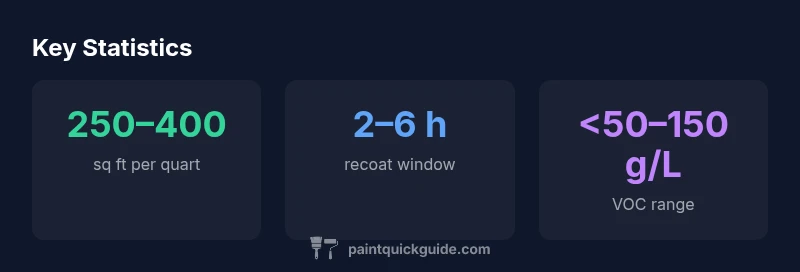
How to compare formulas and brands: what to examine When shopping for a 2-in-1 product, read the label for whether the product is truly a primer-pigment blend or a tint-on-topcoat marketed as a two-in-one. Compare coverage claims (square feet per quart), drying windows between coats, and VOC levels. Look for products with built-in stain-blocking claims if you’re painting over knots, tannins, or smoke. Check compatibility with the substrate (drywall, plaster, wood, metal) and consider whether you need extra bonding agents for glossy surfaces. If color changes are dramatic, you may still want a separate primer to ensure even penetration and adhesion. PaintQuickGuide emphasizes testing a small patch first to gauge coverage and finish before a full commitment.
Preparation and technique: how to apply 2-in-1 products effectively Preparation starts with clean, dry surfaces and proper mixing. Stir the can thoroughly to ensure pigment and binder are evenly distributed. Pour into a tray and use a quality roller or brush suited to the surface texture. Apply a wet edge, maintain a consistent nap length, and watch for lap marks on larger areas. Expect the first coat to act as both primer and paint, with light sanding between coats if recommended by the manufacturer. Adhere to the manufacturer’s recoat window, which can vary from 2 to 6 hours depending on temperature and humidity. For best results on new surfaces, a separate primer might still outperform a 2-in-1 in the long run.
Drying times, curing, and how long the finish lasts The drying time for 2-in-1 products typically allows for a light touch within a few hours, but full curing can take several days. High humidity or cooler temperatures delay drying, increasing the risk of brush marks or uneven color. A 2-in-1 finish can be more susceptible to staining if you use heavy cleaners or aggressive scrubbing. Longevity depends on surface exposure, traffic, and maintenance. In areas like kitchens and bathrooms, expect more frequent touch-ups than with a dedicated primer and paint system.
Real-world scenarios: interior, exterior, and trim considerations Interiors with moderate traffic, such as living rooms, often tolerate 2-in-1 products well when surfaces are well-prepared. Exteriors with sun and rain present more variables, and trim or doors may require more precise color consistency, which dedicated primers can better support. In automotive refinishing, true primer-sealers and topcoats are generally preferred; 2-in-1 products are usually insufficient for durable, long-lasting automotive finishes. Always test on a representative patch before commiting to a full project.
Authority sources and credible guidance You can consult safety and standards resources to understand paint composition, environmental impact, and application guidelines. For general chemical safety and best practices, see EPA and OSHA materials; for standards and measurement context, NIST provides general context about coatings and surface treatments. These sources help frame why choosing between 2-in-1 products and separate primer might matter beyond the convenience factor.
Practical decision framework: should you use a 2-in-1 product? The core decision hinges on surface type, expected wear, timeline, and budget. For simple, low-traffic areas with well-prepped surfaces, a 2-in-1 product can deliver a satisfactory finish quickly. For high-traffic spaces, rough or porous surfaces, or surfaces requiring stain-blocking, a dedicated primer followed by topcoat typically remains the safer, longer-lasting choice. Always patch test, follow label directions, and be prepared to adjust your approach if results don’t meet expectations.
Upsides
- Saves time by combining steps (primer + paint)
- Reduces tool and material count for small projects
- Can be cost-effective for quick, low-traffic applications
- Good option for uniform color on smooth, prepped surfaces
What's Bad
- Often weaker on porous or uneven surfaces
- Can underperform on high-traffic areas or knotty surfaces
- May require more coats or longer cure times than separate primer and paint
- Color consistency and stain blocking may be less reliable
Best for quick, budget-minded DIY projects on smooth, prepped surfaces
For small rooms or furniture with minimal porosity, a true 2-in-1 can save time and material. Expect some trade-offs in stain blocking and long-term durability on rough or highly trafficked areas. Use it when speed and cost matter more than ultimate longevity.
Your Questions Answered
What is a paint-and-primer-in-one product?
A paint-and-primer-in-one product combines primer and topcoat in a single formula. It is designed to save time and reduce tool use, but performance varies by surface and use case. Always test on a small patch before committing.
It’s a combined primer and paint in one can—great for quick jobs, but test first.
When should I avoid using a 2-in-1 product?
Avoid on porous or rough surfaces, high-traffic areas, or when you require strong stain blocking and color uniformity. In these cases, a separate primer plus paint typically lasts longer and looks more even.
Avoid it on rough or heavy-use areas; separate primer usually lasts longer.
Does 2-in-1 cover stains and knots well?
2-in-1 products can help with light stains, but heavy stains or knots may bleed through, requiring a dedicated primer or stain-blocking primer underneath.
It can handle light stains, but heavy stains often need a separate primer.
Is it cheaper than primer plus paint?
It can be cheaper per project because you buy one product instead of two, but you may end up needing more coats or touch-ups, offsetting the initial savings.
Sometimes cheaper upfront, but long-term may cost more if you need extra coats.
Can I use 2-in-1 for car painting?
Automotive finishes typically require dedicated primers and sealers. A 2-in-1 product is generally not the best choice for durable car refinishing; consult automotive-specific guides.
For cars, it’s usually not the best option—use dedicated primers and paints.
How long does it take to cure?
Cure times vary by product and environment. Touch-dry may be achieved in a few hours, but full curing often takes days, with cooler or humid conditions slowing the process.
It dries to the touch in hours, but full cure can take days depending on conditions.
Quick Summary
- Assess surface porosity before choosing
- Expect color uniformity issues on rough surfaces
- Follow recommended drying times to avoid lap marks
- Prefer separate primer for high-traffic or exterior surfaces