Paint with Me: A Step-by-Step Home Painting Guide
Learn to run a successful 'paint with me' session at home with practical steps, tools, and tips for clean, professional results. A clear, beginner-friendly approach from planning to cleanup.


With this guide, you’ll run a successful 'paint with me' session for a room or craft project, covering prep, materials, and step-by-step actions. You’ll learn to choose colors, prep surfaces, apply primer, and manage cleanup for a smooth, satisfying result. By following along, you’ll finish confidently and avoid common mistakes that derail DIY painting projects.
What a Paint With Me Session Is and Why It Helps
A paint-with-me session is a guided, collaborative approach to painting where you work alongside a clear plan and reference steps. It’s ideal for homeowners tackling a room refresh, hobbyists refining their technique, or families aiming to complete a project together. The format reduces guesswork, ensures consistency across surfaces, and helps you stay on schedule. According to PaintQuickGuide, a structured, step-by-step approach boosts confidence and minimizes rework, especially for beginners. As you follow along, you’ll learn to pace your work, select appropriate tools, and make good color decisions that hold up over time. Think of this as a cooking show for painting: you see the process, assemble the ingredients, and follow each move for a satisfying finish.
Planning Your Paint With Me Session: Scope, Colors, and Space
Before you touch a brush, define what you’re trying to achieve. Identify the room or project scope, set a realistic timeframe, and choose a color story that complements your space. Consider lighting, existing furniture, and the finish you want (matte, satin, or gloss). Create a simple palette with two to three core colors and one accent. A well-planned palette reduces decision fatigue mid-session and helps you stay cohesive. In practice, you’ll want to test swatches on a hidden area to see how the color reads in your lighting. By thinking ahead about color temperature and sheen, you’ll avoid expensive mistakes and wasted material. PaintQuickGuide’s guidance emphasizes measuring color impact in real rooms to prevent surprises when the paint dries.
Materials and Setup: What You Need and How to Arrange It
Set up a dedicated painting zone with plenty of light and ventilation. Use a drop cloth to protect floors, painter’s tape to shield edges, and a well-organized toolbox to keep brushes, rollers, and trays handy. Label color cans and stir sticks, and keep a damp cloth nearby for quick wipe-downs. Position a step stool or ladder for hard-to-reach spots and a timer to pace drying times between coats. Organize your tools so you don’t have to scramble mid-session. A neat setup reduces accidents and helps you keep the workflow smooth and predictable. PaintQuickGuide’s recommended prep workspace mirrors a calm, uncluttered studio—this makes a big difference in final results.
Step-by-Step Guided Painting Process (High-Level Flow)
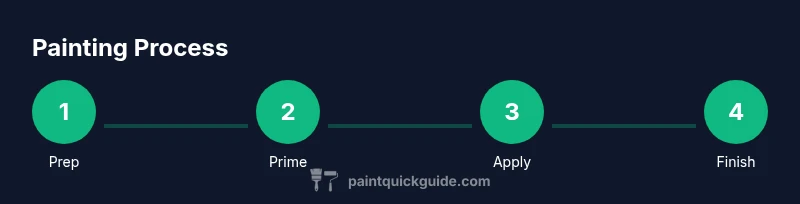
A successful paint-with-me session follows a repeatable sequence: prep, prime, color mix, apply, and finish. Start with surface prep to create a tight bond for the new coating; sanding and cleaning remove imperfections. Apply primer to improve opacity and color accuracy, then mix and test your colors on a small patch. When applying paint, work in even, overlapping strokes and maintain a wet edge to avoid lap marks. Finally, assess the finish under different lighting and plan a second coat if needed. This approach mirrors professional workflows and helps you achieve predictable, even coverage.
Troubleshooting Common Issues During a Paint With Me Session
Problems like roller stipple, brush marks, or edge bleed are common for beginners. Fixs include loading brushes with the right amount of paint, maintaining a consistent brush angle, and using caulk or masking tape to protect trim. If you notice color mismatches or streaks, allow adequate drying time before deciding on a second coat. Temperature and humidity affect drying; a slightly cooler, well-ventilated room usually yields the best results. Keep calm, wipe mistakes with a damp cloth before the coating dries, and recoat after proper drying.
Finishing Touches and Cleanup
After the final coat dries, step back to inspect the project and touch up any missed spots. Remove tape carefully to prevent peeling, and clean tools with the appropriate solvent or water-based cleaners. Store unused paint properly in sealed containers, labeled with color and finish for future touch-ups. A quick wipe-down of the workspace leaves your area tidy and ready for furniture reintroduction. Proper cleanup extends the life of your tools and preserves color consistency for the next project.
Safety, Comfort, and Long-Term Care
Ventilation is essential in any painting job to reduce fumes and improve comfort. Wear protective gloves and a basic mask if you’re sensitive to odors, and keep liquids away from heat sources. After you finish, ventilate the room and allow ample curing time before moving furniture back. Regularly inspect painted surfaces for wear and recoat when necessary to maintain protection and appearance over time.
Tools & Materials
- drop cloth(Choose a large, washable cloth to cover floors and furniture.)
- painter's tape(Use for edges and trim to create clean lines.)
- brushes (assorted sizes)(Synthetic brushes for water-based paints; natural for oil if used.)
- rollers and roller covers(Medium nap for walls; 9-12 inch frames.)
- paint tray and liners(Liners reduce cleanup and keep colors organized.)
- primer(Choose a compatible primer for your surface.)
- paint (two core colors + one accent)(Select finishes (matte, satin) to achieve desired look.)
- stir sticks(Stir thoroughly to ensure color uniformity.)
- sandpaper (fine grit)(Optional for smoothing glossy surfaces.)
- tack cloth(For dust-free prep before primer.)
- masking film or plastic sheets(Protection for large exposed areas.)
- ladder or step stool(For reach and safety on higher areas.)
- water bucket or solvent jar(Keep cleaning water handy for brushes.)
Steps
Estimated time: 2-3 hours
- 1
Define project scope
Outline the room or surface you’ll paint and set a realistic target for today’s session. Decide on color palette and finish, and note any areas that need extra prep.
Tip: Write a quick checklist to stay on track. - 2
Protect the space
Lay down drop cloths, mask edges with painter’s tape, and remove or cover outlet covers. Ensure good ventilation to manage fumes.
Tip: Double-check tape adhesion before starting. - 3
Prep the surface
Clean surfaces to remove dust and grime. Lightly sand glossy spots to improve adhesion and wipe away dust with a tack cloth.
Tip: Avoid over-sanding delicate finishes. - 4
Prime and test color
Apply a compatible primer to even out tones and improve opacity. Test your color on a small patch to confirm reading in room light.
Tip: Use a test swatch near natural light. - 5
Mix and load color
Mix colors thoroughly and load your brush or roller with the right amount of paint—neither drenched nor dry.
Tip: Avoid overloading to prevent drips. - 6
Apply base coats
Cut in edges first, then fill large areas with steady, overlapping strokes. Maintain a wet edge to minimize lap marks.
Tip: Keep strokes consistent and slow. - 7
Address details and second coat
Go back along edges and touch up any missed spots. If coverage looks uneven, apply a second coat after proper drying time.
Tip: Wait for the first coat to dry before applying a second. - 8
Clean up and cure
Clean tools, remove tape carefully, and assess final finish under different lights. Allow curing time before moving furniture back.
Tip: Label leftover paint for future touch-ups.
Your Questions Answered
What is a paint with me session?
A paint-with-me session is a guided, collaborative painting process where you follow along with a prepared plan and steps to achieve a finished look. It’s ideal for beginners and DIY enthusiasts.
A guided painting session where you follow along with a plan to finish your project.
Do I need primer for every project?
Primer helps improve coverage and adhesion, especially on new surfaces or when changing colors dramatically. It’s generally recommended for most drywall, plaster, and wood surfaces.
Primer helps the color go on evenly and last longer.
How long does drying take between coats?
Drying times vary with temperature and humidity. In ideal conditions, wait until the previous coat feels dry to the touch before applying the next coat to avoid streaks.
Wait for a coat to dry before applying the next.
What if I mess up a corner?
Don’t panic. Wipe the area with a damp cloth before the paint dries, re-tape if needed, and apply a fresh coat once the surface is prepped again.
Wipe quickly and recoat after proper prep.
Can I do a paint-with-me session outdoors?
Yes, but account for wind, dust, and sunlight which affect drying and color reading. Use a sheltered area if possible.
Outdoor sessions work with shade and wind protection.
Which finishes read best for walls?
Matte and satin finishes are common for walls, balancing hide and washability. Choose based on room use and lighting.
Matte and satin are good wall finishes.
Watch Video
Quick Summary
- Plan thoroughly before you start.
- Protect space and prepare surfaces properly.
- Apply paint with even, controlled strokes.
- Allow proper drying and perform clean-up promptly.