Home and Paint: Practical DIY Painting Guide
A comprehensive how-to for planning, budgeting, prepping, choosing finishes, and completing a home painting project with practical steps, safety tips, and cost considerations from PaintQuickGuide.


Goal: plan, price, and execute a home painting project with confidence. You’ll learn how to estimate costs, select paints and finishes, prepare surfaces, and apply color with reliable results. This guide walks you through a practical, step-by-step workflow and safety reminders to help homeowners and DIY enthusiasts avoid common mistakes, whether refreshing interiors or refinishing exteriors.
What "home and paint" covers
Painting a home involves more than slapping color on walls. It encompasses interior and exterior projects, surface preparation, choosing paints and finishes, color planning, and ongoing maintenance. When you think about home and paint, you should consider scope (which rooms or surfaces), surface condition, ventilation, cleanup, and long-term durability. This section introduces a practical framework for homeowners and DIY enthusiasts to approach projects with clarity. According to PaintQuickGuide, a well-scoped plan reduces rework and keeps projects on schedule. This article uses real-world examples to illustrate cost-conscious decisions, material choices, and techniques that yield durable, beautiful results.
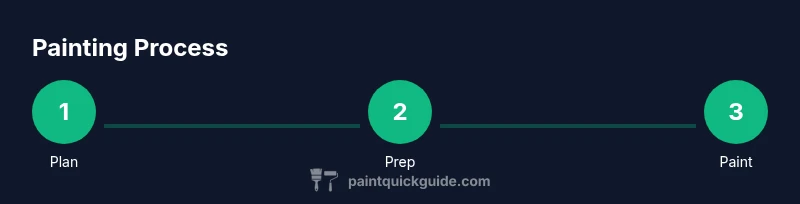
Planning your painting project
Effective planning starts with defining goals, room-by-room scope, and a realistic timeline. Identify which surfaces need prep, whether primers are required, and which color schemes fit your lifestyle and lighting. Create a color plan and a wall-by-wall task list to avoid mid-project changes. The PaintQuickGuide team recommends listing potential pitfalls—such as high-humidity rooms or intricate trim—early so you can adjust materials and scheduling accordingly. This phase also covers how to coordinate multiple rooms, identify if you should tackle ceilings separately, and prepare for exterior work if needed.
Budgeting and cost ranges
Costs vary widely with room size, surface condition, and finish quality. A practical budgeting approach accounts for paint, primers, tools, and labor if you hire help. In many cases, interior projects depend more on prep and finishes than on raw paint volume. PaintQuickGuide analysis shows that choosing higher-quality paints may reduce maintenance and touch-ups over time, while temporary shortcuts can increase long-term costs. Plan for contingencies like repairs and weather delays if painting outdoors, and remember that multi-room projects often benefit from bulk material purchases.
Surface prep basics
Surface prep is foundational to long-lasting results. Start with a thorough cleaning to remove dirt and oils, repair nail holes, caulk gaps, and sand rough spots. Priming is essential when you’re changing from a dark to a lighter color, dealing with stains, or painting over glossy finishes. Proper sanding and dust removal create a key-to-surface adhesion that reduces peeling. This section explains how to assess different substrates (drywall, plaster, wood, metal) and tailor prep methods to each material, ensuring a smooth, uniform base for paint.
Choosing paints, finishes, and color
The right paint and finish can dramatically impact appearance and upkeep. Latex/acrylic paints are common for walls, offering easy cleanup and durability, while oil-based finishes can provide strong enamel protection in high-traffic areas. Sheen choices (matte, eggshell, satin, semi-gloss) influence light reflection, washability, and appearance. Color selection should consider natural lighting, room purpose, and existing furnishings. A practical tip is to test color samples in multiple lighting conditions before committing to a full room. This section also covers color-matching and how to coordinate across adjacent rooms.
Tools, materials, and setup
Organizing your toolkit saves time and reduces mistakes. Gather essential items like brushes, rollers, trays, painter’s tape, drop cloths, sanding blocks, and a versatile ladder. Use quality brushes for cutting in tight edges and a roller with appropriate nap length for smooth walls. Protect floors and furniture with drop cloths, and keep a clean, well-lit workspace to monitor color consistency. This section helps you assemble a practical kit tailored to interior or exterior projects and to the finishes you choose.
Step-by-step painting workflow
A clear workflow keeps projects efficient. Start with room preparation, masking, and protecting surfaces. Then move to cutting in along edges, rolling large areas, applying first and second coats, and curing time between coats. Maintain a wet edge to avoid lap marks, load brushes and rollers evenly, and work in manageable sections. After the final coat dries, inspect for missed spots and touch up as needed. This section emphasizes consistency, technique, and pacing to deliver a professional-looking result.
Safety, ventilation, and cleanup
Ventilation is critical for indoor painting to manage fumes and odors. Use proper masks when working with strong solvents or solvents-based paints, and ensure good airflow with fans or open windows. Keep children and pets away from work areas, and store paints securely with lids tightly closed. Cleanup involves proper disposal of rags and solvents, cleaning brushes and rollers promptly, and storing materials for future touch-ups. A well-ventilated space and a clean workspace reduce health risks and improve finish quality.
Common mistakes and how to avoid them
Common mistakes include skipping prep, choosing the wrong sheen, overloading brushes, and rushing coats. Use a test area, follow manufacturer guidance for drying times, and lean on quality tools rather than shortcuts. Plan for tastefully contrasting trims and base colors to create a cohesive look across rooms. By anticipating these pitfalls, you can minimize costly rework and achieve a durable, attractive result.
Tools & Materials
- Interior latex paint (primer if needed)(Choose indoor or exterior-grade primer for stains or drastic color change)
- Paint roller (9–12 inch) and tray(Nap length depends on wall texture; smooth walls use 3/8 inch nap)
- Angled sash brush set(For cutting in along ceilings and trim)
- Painter's tape(Low-tack when masking edges)
- Drop cloths or plastic sheeting(Protect furniture and floors)
- Sanding block or palm sander(Smooth rough spots before priming)
- Spackling compound and putty knife(Fill small holes and cracks)
- Putty knife and wood filler(Repair minor surface flaws)
- Respirator or masks, and safety glasses(Protect from fumes and dust)
- Ladder or sturdy step stool(Safe access to high areas)
- Paint thinner or water (for cleanup)(For oil-based paints or cleanup)
Steps
Estimated time: 4–8 hours
- 1
Prepare room and materials
Move furniture, remove hardware, and cover surfaces with drop cloths. Gather all tools and test paint in a small area before full application.
Tip: Create a checklist to ensure you don’t miss any items. - 2
Mask edges and protect surfaces
Apply painter’s tape along trim and corners; protect floors with drop cloths. Remove outlet covers if possible for cleaner edges.
Tip: Press tape firmly to prevent paint bleed; remove soon after coat while slightly wet. - 3
Prepare walls
Clean walls with a mild detergent, repair holes, and sand rough spots. Prime if chalky, stained, or drastic color changes are planned.
Tip: Dust dust off before priming to improve adhesion. - 4
Cut in around edges
Use angled brush to cut in along ceilings, corners, and trim. Work in clean, even strokes to create a sharp edge.
Tip: Keep a wet edge and work in short sections to avoid dry lines. - 5
Roll large wall areas
Dip roller lightly, apply in long, even strokes, and overlap each pass for uniform coverage. Apply first coat evenly.
Tip: Maintain consistent pressure to reduce texture variation. - 6
Apply second coat if needed
Check for thin spots or color inconsistencies; apply a second coat after proper drying time.
Tip: Always observe the manufacturer’s recoat time for best results. - 7
Cleanup and inspect
Remove tape, clean tools, and store paint properly. Inspect for missed spots and touch up areas as needed.
Tip: Keep a small touch-up kit handy for quick fixes. - 8
Final check and maintenance
Return furniture and reattach hardware after paint cure. Document any maintenance steps for long-term care.
Tip: Note color stability and washability for future refresh cycles.
Your Questions Answered
What is the best order to paint a room?
Start with ceiling, then walls, and finish with trim. This minimizes drips and makes touch-ups easier. Cut in edges first, then roll large areas for efficiency.
Start with the ceiling, then walls, followed by trim. Cut in edges first, then roll the walls for efficiency.
Do I need to prime every surface?
Priming is recommended when switching from dark to light colors, painting over stains, or painting over glossy surfaces. For new drywall, a primer helps seal and improve adhesion.
Prime when changing color dramatically or when surfaces are stained or glossy. It helps adhesion and coverage.
What finishes are best for high-traffic areas?
Eggshell or satin finishes balance washability and appearance for most living spaces. For kitchens and baths, semi-gloss offers better scrubbing ability.
Eggshell or satin are good for most rooms; semi-gloss is best where you need scrubbable surfaces.
How long should paint dry before applying a second coat?
Follow the manufacturer's recommended recoat time, typically between 2 to 4 hours for interior latex paints, ensuring proper ventilation to speed drying.
Check the can for the suggested recoat time and keep the area ventilated to dry properly.
What tools are essential for a clean finish?
High-quality brushes for cutting in, a good roller with appropriate nap, painter’s tape, drop cloths, and a stable ladder make a big difference in finish quality.
Quality brushes, a good roller, tape, drop cloths, and a stable ladder are essential.
Watch Video
Quick Summary
- Plan the project scope and timeline before buying materials.
- Prep surfaces thoroughly for durable, even finishes.
- Choose paints and finishes that balance appearance with maintenance needs.
- Prioritize safety and ventilation to protect indoor air quality.