Paint Interior: A Practical DIY Guide for Home Rooms
Learn how to paint interior walls and ceilings with confidence. This step-by-step guide covers planning, prep, materials, techniques, and finishing tips for durable, professional-looking home rooms.


Master interior painting with this step-by-step guide. You'll learn how to plan color and finish, prepare surfaces, select primers and paints, apply cutting-in and rolling techniques, and finish with clean-up and curing. By following practical tips for ventilation, safety, and time management, homeowners and DIY enthusiasts can achieve a durable, professional-looking result for any room.
Why interior painting matters for home rooms
Interior painting is one of the most impactful, affordable updates a homeowner can undertake. A fresh coat can transform mood, make spaces feel larger, and protect walls from wear. According to PaintQuickGuide, interior painting is one of the most cost-effective upgrades that also supports healthier indoor air if you choose low-VOC products and proper ventilation. A well-executed paint job can increase perceived value, improve lighting, and help you refresh decor without major renovations. This guide focuses on practical, paint interior best practices you can apply in living rooms, bedrooms, kitchens, and hallways, with an emphasis on durable finishes and clean, lasting results.
As you plan, think about how color, finish, and light interact in each room. Light walls with a satin or eggshell finish often reflect more light and resist fingerprints in high-traffic areas, while deeper tones can add coziness to bedrooms. The PaintQuickGuide team emphasizes starting with a clear plan to avoid overbuying materials and to prevent color inconsistencies across walls or rooms. Divider lines, trim, and ceilings deserve equal attention to ensure a cohesive look across your home.
Plan and color strategy
A successful interior paint project begins with a concrete plan. Start by choosing a color strategy that aligns with room purpose, lighting, and furniture. Use large swatches and test patches on different walls to observe how colors shift with sunlight and artificial lighting. For busy spaces like kitchens and hallways, consider a neutral base with an accent wall or trim color to add character without overwhelming the space. When selecting finishes, most living spaces benefit from an eggshell or satin sheen for durability and easy cleaning, while ceilings often benefit from a flat finish to hide small imperfections.
Color strategy also involves considering undertones, temperature (warm vs cool), and how colors work together across adjacent rooms. Create a color map that accounts for flow between rooms, so you don’t end up with clashing tones when moving from one space to another. A practical approach is to test a few color options at 8x8 inch patches on multiple walls and observe them at different times of day. When in doubt, opt for light, timeless neutrals that pair well with most furnishings and decor. The PaintQuickGuide guidance highlights testing and patience as keys to achieving a polished, long-lasting result.
Surface prep and repairs
Surface preparation is the backbone of any durable interior paint job. Begin by clearing the room and protecting floors, furniture, and fixed items. Clean walls with a mild soap solution to remove dust and grease—especially in kitchens and bathrooms where residues are common. Inspect for imperfections such as nail holes, cracks, e.g., chalky surfaces, and water stains. Patch with appropriate filler and sand smooth once dry; rough spots show through paint quickly. If you have glossy surfaces or high-traffic areas, degloss with a sanding block or an appropriate prep product to improve adhesion.
Proper prep reduces the risk of peeling, cracking, or uneven color. It also helps the primer and paint achieve a uniform finish. In addition to repairs, weather and room conditions influence prep; plan a project window when humidity is moderate and temperatures are stable. This approach minimizes drying delays and ensures the finish dries evenly across all walls. The PaintQuickGuide team notes that thorough prep saves time in the long run and improves overall results.
Primers, paints, and finishes
Choosing the right primer and paint is essential for durability and appearance. Use a stain-blocking primer on repaired patches or water stains and a bonding primer on slick surfaces to improve adhesion. For interior walls, latex-based paints are common due to low odor, easy cleanup, and wide color options; oil-based primers or paints may be appropriate for stubborn stains but require ventilation and longer curing times. Finish choices such as eggshell, satin, or matte have distinct benefits: eggshell provides a soft sheen and durability, satin is slightly more durable and easier to clean, and matte hides surface imperfections while offering a modern look.
Low-VOC or zero-VOC options reduce odors and indoor air pollution, making them a healthier choice for occupied spaces. Always check label instructions for drying times and recoat windows; these guidelines can vary with product and environmental conditions. By selecting compatible primer, paint, and finish, you’ll achieve a balanced, long-lasting interior look. The PaintQuickGuide analysis underscores the importance of this alignment for consistent color and coverage across walls and trim.
Step-by-step painting technique overview
Inside this guide you’ll translate theory into action. The core techniques include careful edge-cutting, smooth rolling, and controlled layering. Begin with edges: create a clean line where walls meet ceilings or trim using a high-quality angled brush to minimize smear and ensure crisp edges. Then switch to a roller for broad surfaces, using steady, overlapping strokes to avoid lap marks. Maintain a consistent load on the roller and avoid overworking a single patch. Allow each coat to dry according to product labels before applying the next.
To ensure even color and coverage, apply two thin coats rather than one heavy coat. Thin coats dry faster and reduce the chance of peeling or blistering. When working large spaces, plan your route to minimize backtracking and ensure you finish with a clean edge along the trim. The end result should be uniform color with minimal texture differences, suggesting skilled control of pressure, angle, and technique. These steps integrate practical tips from the PaintQuickGuide team for a professional-quality finish.
Finishing touches and maintenance
After the final coat, allow ample curing time before reintroducing furniture or heavy use. Ventilate the room well during drying, especially in rooms with lingering odors or moisture concerns. Remove protective coverings carefully to avoid transferring paint to floors or furniture. Clean brushes and tools promptly to extend their life, following the manufacturer’s care instructions. If you need touch-ups later, label tools and keep the original paint can for color matching. Regular cleaning and gentle maintenance will keep your interior looking fresh for years.
This section emphasizes long-term care and practical steps to maintain the freshly painted interior. The PaintQuickGuide team recommends keeping doors and windows open during curing and avoiding harsh cleaners on new finishes. With thoughtful planning, preparation, and technique, interior painting yields results that are both aesthetically pleasing and durable.
Tools & Materials
- Paint (latex-based, low-VOC preferred)(Choose a durable finish (eggshell/satin) for walls; consider color consistency across rooms.)
- Primer (bonding or stain-blocking)(Use where patches exist or on slick surfaces to improve adhesion.)
- Painter's tape(Use for clean edges and protecting trim and outlets.)
- Drop cloths or plastic sheeting(Protect floors and furniture; use multiple layers.)
- Rollers (9–12 inch) with extension pole(Nap: smooth surface 3/8 inch; rough surfaces may need 1/2 inch.)
- Angled brushes (2–4 inch)(For precise cutting in along ceilings and trim.)
- Paint trays and liners(Use new liners to reduce cleaning; consider a tray liner for easy cleanup.)
- Sandpaper (120–220 grit)(Smooths patches and edges; wipe dust before painting.)
- Putty knife and spackle/patch compound(Repair holes and gouges; sand smooth after cure.)
- Caulk and caulk gun(Seal gaps around trim or baseboards if needed.)
- Ladder or stable stool(Adjust height safely to reach high walls; ensure stability.)
- Water bucket and mild cleaner(For wall cleaning before painting and tool cleanup.)
- Respirator or ventilation plan(Use if solvents or strong odors are present; ensure proper airflow.)
Steps
Estimated time: 4-8 hours
- 1
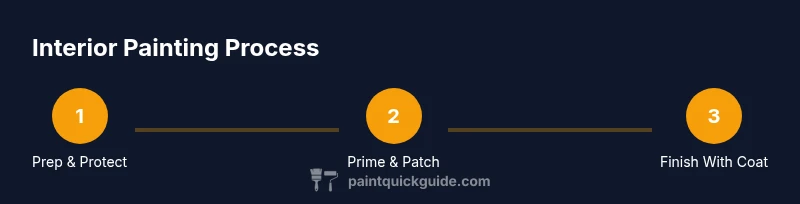
Clear and protect the room
Move furniture away from walls and cover with drop cloths. Remove outlet covers and switch plates, and protect floors with a thick drop cloth. Take photos of furniture placements to help rearrange later. Why: Clear space and protection prevent damage and make edges easier to manage.
Tip: Secure the area with corner guards or tape to avoid slipping on plastic sheeting. - 2
Clean and repair surfaces
Wipe walls with a mild soap solution to remove dust and grease, especially in kitchens and bathrooms. Fill holes and cracks with spackle and let dry, then sand smooth. Worn or damaged areas should be addressed before painting to achieve uniform coverage.
Tip: Dampen your sponge slightly to avoid soaking the wall and creating damp patches. - 3
Sand and prime as needed
Lightly sand glossy areas and patched spots to create a key for primer. Apply primer to repaired patches and any surface you suspect may not hold paint well. Let primer dry completely before painting.
Tip: Use a tack cloth to remove dust after sanding for a clean surface. - 4
Cut in edges and trim
Use an angled brush to paint along ceilings, corners, and around trim where rollers can’t reach. Maintain a steady hand and straight line for crisp edges. This step sets the boundary before rolling.
Tip: Load the brush with a small amount of paint to prevent drips. - 5
Roll the walls with even coats
Dip the roller, roll in a W pattern, and fill in with vertical strokes for even coverage. Keep a wet edge to avoid lap marks, and rotate your movement to avoid roller marks. After the first coat dries, inspect for uneven spots and plan touch-ups.
Tip: Use a longer nap roller for textured walls to achieve uniform color. - 6
Apply a second coat and finish
If needed, apply a second coat for deeper color and uniform coverage. Check for missed spots, drips, and color consistency. Once dry, remove tape carefully and clean brushes.
Tip: Always follow the paint label’s recoat window for best results. - 7
Clean up and cure
Gather tools, remove coverings, and ventilate the space to accelerate curing. Allow full curing time before placing furniture back; avoid heavy use until the paint is fully dry.
Tip: Keep pets and kids away during curing to prevent accidental marring.
Your Questions Answered
Do I need to prime interior walls before painting?
Not always, but priming is recommended on stained, patched, or glossy surfaces. Primer improves adhesion and color uniformity, helping the topcoat look consistent across walls.
Priming isn’t always required, but it helps a lot on tricky surfaces to ensure a solid, even finish.
Which finish is best for living rooms?
Eggshell or satin finishes are common for living rooms because they balance durability with a soft sheen that looks good under lighting. They’re also easier to clean than flat finishes.
A good choice is eggshell or satin for living rooms to combine look and durability.
How long does interior paint take to dry between coats?
Drying times vary by product and environment. Always follow the label’s guidance, but plan for several hours between coats in moderate conditions.
Dry times depend on the product and room conditions; follow the label for best results.
Can I paint over a glossy surface without sanding?
Glossy surfaces usually need some abrasion or a bonding primer to ensure adhesion. Skipping this step can lead to peeling later on.
Glossy surfaces need prep or primer to stick well, so don’t skip this step.
What are low-VOC options and why use them?
Low-VOC paints reduce odors and improve indoor air quality, making them a safer choice for occupied spaces. Look for labels that say low-VOC or zero-VOC.
Low-VOC paints are better for indoor air and still come in many finishes and colors.
Is it safe to DIY auto interior painting at home?
Interior car painting is specialized and often requires different products and ventilation. For a home project, focus on walls and ceilings; consult a pro for autos.
Auto painting is a specialty job; for a home project, stick to walls and ceilings and seek professional car refinishing if needed.
Watch Video
Quick Summary
- Plan color and finish before you start
- Prep thoroughly to ensure durability
- Use proper tools and steady technique
- Let coats dry fully between applications
- Carefully protect surroundings during painting