Paint Walls: A Practical DIY Guide
Master wall painting with a practical, step-by-step guide. From prep and primer to tools, finishes, safety, and budgeting—PaintQuickGuide helps homeowners achieve a professional finish.


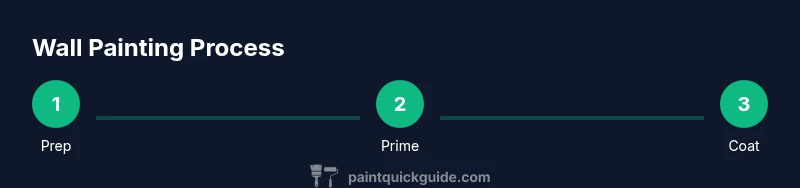
You’ll learn to paint walls confidently by following a structured prep-and-paint process: clean, repair, prime where needed, cut in edges, and apply even coats with the right tools. This guide covers essential steps, tool lists, safety tips, and budgeting to help homeowners achieve a professional-looking finish on any room.
Why painting walls matters
Painting walls is one of the most cost-effective improvements a homeowner can undertake. A fresh coat can brighten a space, cover surface imperfections, and protect underlying materials from wear. For DIYers, a deliberate, step-by-step approach yields durable results and reduces the risk of common issues like lap marks, uneven color, or peeling edges. According to PaintQuickGuide, investing time in prep, choosing the right finish, and applying coats evenly pays off in long-lasting color and easier maintenance. This guide focuses on practical, actionable steps to help you paint walls with confidence, tackle tricky corners, and finish like a pro. Whether you’re refreshing a single accent wall or repainting an entire home, a thoughtful plan helps you paint walls with predictable, high-quality results.
wordCount
144
Tools & Materials
- Painter’s tape(Mask edges and protect trim for clean lines)
- Drop cloths or plastic sheeting(Protect floors and furniture; multiple layers recommended)
- High- quality angled brush(For cutting-in around edges and corners)
- Paint rollers (3/8- to 1/2-inch nap)(Choose nap length by wall texture)
- Extension pole(Helps reach ceilings and high walls without ladder fatigue)
- Paint tray and liners(Keep paint clean and reduce mess)
- Sandpaper (120–220 grit)(Smooth patches and feather edges)
- Putty knife and lightweight filler(Repair small dents and nail holes)
- Primer(Use when needed for stains, drastic color changes, or raw surfaces)
- Respirator or mask and eye protection(Ventilate and protect from dust and fumes)
Steps
Estimated time: 3-6 hours total for most standard rooms, plus drying time between coats
- 1
Protect and prep the room
Move furniture out or to the center, lay down drop cloths, and remove outlet covers. This reduces cleanup time and ensures sharp edges where walls meet trim. Time: plan 15–30 minutes for prep, longer for larger rooms.
Tip: Work from the top down to prevent drips on finished areas. - 2
Repair and sand surfaces
Fill holes, cracks, and dents with lightweight filler; let dry, then sand smooth. Use a damp cloth to remove dust before applying primer. Time: 30–60 minutes plus dry time as needed.
Tip: Feather patched areas slightly beyond the damaged zone for a seamless finish. - 3
Prime the walls (if needed)
Prime over new drywall, patched areas, or dark colors to ensure even coverage. A tinted primer can speed color matching for bold colors. Time: 15–60 minutes plus drying time.
Tip: Do not skip primer on porous surfaces or drastic color changes. - 4
Cut in edges around ceilings and moldings
Use a high-quality angled brush to paint a 2–3 inch border along the edges. This forms the blueprint for the roller and helps avoid uneven edges. Time: 15–30 minutes.
Tip: Keep a wet edge by stopping where the brush meets the wet roller stroke. - 5
Roll the main wall sections
Dip the roller and apply in wide, even strokes in a 'W' pattern, then fill in. Overlap previous strokes slightly to maintain a seamless finish. Time: 30–60 minutes per wall depending on size.
Tip: Roll slowly and maintain consistent pressure to avoid lap marks. - 6
Apply second coat and finish
Check color match and evenness; apply a second coat if needed after the first coat dries. Time: allow 2–4 hours between coats, longer in humid rooms.
Tip: Lightly sand between coats if you notice bumps, then wipe with a tack cloth.
Your Questions Answered
Do I need to prime before painting walls?
Priming improves adhesion, coverage, and stain blocking, especially on new drywall or when changing colors drastically. In many cases, a stain-blocking or bonding primer is recommended.
Priming is usually a good idea for better coverage and adhesion.
How many coats should I apply?
Typically two coats yield the most even color and durability, though lighter colors may sometimes do with one coat if the surface is pristine and the color difference is small.
Two coats are usually best for even color and durability.
How long does it take to dry between coats?
Dry times depend on paint type and conditions, but plan roughly 2–4 hours between coats in moderate climates; full curing can take several days.
Most paints dry to the touch within a few hours, but wait longer between coats.
Brush or roller—which is better for walls?
Rollers cover large flat areas quickly with uniform texture, while brushes are essential for cutting in edges and tight corners.
Use a roller for large areas and a brush for edges and corners.
How can I estimate how much paint I need?
Measure wall areas (length × height, minus doors and windows) and check the paint can coverage per gallon; add extra for second coats and mistakes.
Estimate by room area and paint coverage, then add a bit extra for mistakes.
Watch Video
Quick Summary
- Prepare thoroughly to prevent issues later
- Choose finishes based on room use and moisture
- Apply even coats with proper tools for consistent color
- Ventilate and dry between coats for best results