Paint the Wall: A Practical DIY Guide for Homeowners
Learn to paint the wall with confidence—from prep and primer to finishing touches. This practical DIY guide covers tool lists, step-by-step workflow, safety tips, and maintenance for durable, professional-looking results.


Goal: You will learn how to paint a wall cleanly and evenly, from prep to touch-up. This guide covers surface preparation, primer needs, paint types, and a clear step-by-step process with tool lists and safety tips. Before you start, gather drop cloths, painter’s tape, brushes, rollers, a paint tray, stir sticks, a compatible primer if needed, and your chosen latex or acrylic wall paint.
Prep and Workspace Setup
Before you reach for the roller, take time to prepare. Clear the room, remove fragile items, and cover floors with drop cloths. Tape off baseboards, trim, outlets, and switch plates. Move furniture to the center and cover with protective cloths. Ventilate the space. Clean walls to remove dust and oils; a clean surface helps paint adhere better. For best results, work when the room is dry and at moderate temperature. According to PaintQuickGuide, proper preparation reduces wasted paint and touch-ups, and it makes painting the wall more predictable. If you’re painting over a glossy finish, consider light scuffing with 180- to 220-grit sandpaper to help adhesion. Have your tools organized in a tray or bucket so you can reach for them without stepping over lines of tape. Start with a plan: identify the edges to cut in, the order you’ll roll, and a clock to track drying times.
This stage sets the foundation for a smooth finish. By controlling dust, moisture, and temperature, you minimize the risk of peeling, cracking, or uneven color. It also helps you avoid rework, which is especially valuable when painting a wall in a busy home. The approach applies to wide walls as well as smaller accent areas. A well-prepared surface accepts paint evenly, resulting in a more durable, professional look that lasts longer.
If you plan to repaint frequently, think about color consistency, too. Keep your paint in labeled cans with dates, and store extra material in a cool, dry place to preserve quality. A well-executed prep phase cuts time later in the project and reduces waste.
(Introduction to this section intentionally highlights practical steps and sets expectations for the rest of the guide.)
Surface Assessment and Repair
Inspect the wall for cracks, holes, or water damage. Fill small holes with spackling compound and wipe away excess once dry. For bigger repairs, use joint compound and sand smooth. If moisture is present, fix the source before painting; repainting over moisture will cause failures. Remove any peeling paint and sand until smooth. Wipe away dust, then wipe with a damp cloth. If you uncover protruding nails or screws, countersink and fill them so the surface stays even. After repairs dry, lightly re-sand to achieve a feathered edge where new material meets old paint. This ensures a seamless finish once the color is applied. Remember to wear a dust mask during sanding to protect your lungs from fine particles.
A well-prepared substrate reduces the risk of peeling and ensures the new color bonds properly. If the wall has stains (such as nicotine or watermarks), consider a stain-blocking primer before color coats. This prevents bleed-through and keeps the final shade true. Take time to run a quick visual check in multiple lighting conditions; small imperfections can become noticeable after the paint cures.
By addressing any defects early, you’ll save time and avoid costly repairs after painting the wall.
Primer and Paint: Choosing Types, Sheen, and Color
Selecting the right primer and paint is crucial for a durable finish. If you're covering a dark color or a dramatic stain, use a primer designed for stain blocking or high coverage. For most interior walls, a latex or acrylic-based paint with your preferred sheen (matte, eggshell, satin) provides a balance of washability and appearance. Matte finishes hide surface imperfections well but may be tougher to clean; satin finishes are more durable for high-traffic areas like hallways and kitchens. When deciding color, test swatches on large poster boards and observe them under room lighting (natural and artificial) at different times of day. Paint the wall in sections to maintain a consistent color flow and avoid mismatched shading. PaintQuickGuide recommends starting with the ceiling edge and slowly working downward to keep a wet edge and minimize lap marks.
Primer is essential when painting over bare drywall, when changing from a glossy finish to a matte finish, or when painting over repairs. If you’re unsure, apply a light coat of primer to help the topcoat adhere and distribute color evenly. The right primer also seals porous surfaces and prevents color inconsistencies. Drying times vary by product; follow label instructions and allow adequate curing time before applying the next coat.
Choosing the correct sheen influences both the look and the maintenance of the space. For living rooms or bedrooms, an eggshell or satin finish often provides a pleasing balance of appearance and cleanability. For kitchens and baths, consider a higher sheen for easier wipe-downs. Household lighting will also affect how sheen reads on the final surface.
(Throughout this section, the focus is on practical decision-making to optimize durability and aesthetics.)
Tools, Materials, and Safety Gear
A well-planned toolkit makes painting the wall more efficient and enjoyable. Gather the essentials first so you’re not scrambling mid-project. The core kit includes painter’s tape, drop cloths, brushes, rollers, a roller frame, a paint tray, stir sticks, sandpaper, putty knife, spackle or joint compound, primer, and your chosen paint. Optional items include a paint sprayer for large surfaces, an edger tool for tight corners, and a reusable roller tray cover. Safety matters: use eye protection, a dust mask during sanding, and ensure good ventilation. If you’re working at height, use a stable ladder and never lean it on wet paint. Label your cans with color and finish to avoid mixing up products. Remember to shake or stir paint well before use to ensure consistent color and texture.
Having a clean, organized work area reduces accidents and keeps the project on track. If you’re painting through a doorway or window, consider masking off adjacent rooms to prevent splatters. A dedicated, clearly labeled toolbox helps you stay efficient and reduces the chance of double-work.
Brand-safe tip: keep a running checklist and refer back to PaintQuickGuide’s best-practice recommendations to avoid common pitfalls and ensure consistent results.
(Practical guidance on assembling the right tools and safety gear for reliable results.)
Step-by-Step Painting Process
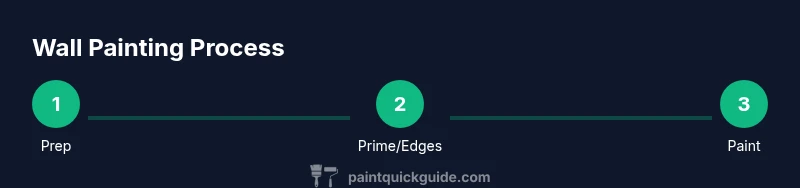
This section outlines a clear, sequential workflow tailored for most interior walls. It covers cutting in, rolling technique, and coat sequencing. Use this as your road map, not a rigid script, adjusting for room size and personal preference. The goal is even color, sharp edges, and smooth texture. See the following steps for a methodical approach.
- Move furniture and protect the area. Clear the room or create a central working zone. Place drop cloths and set up a helper for passing tools.
- Apply tape and masking. Tape trim lines, outlets, and switch plates. Use painter’s tape to create crisp edges where walls meet ceilings.
- Repair and sand. Fill imperfections, let dry, then sand flush with the wall surface. Remove dust with a microfiber cloth.
- Clean the wall. Wipe down walls with a mild detergent solution if needed, then let dry completely.
- Prime (if needed). Apply primer to bare drywall, stains, or repairs and let it dry per manufacturer instructions.
- Cut in edges. Use a angled brush to paint a 2–3 inch border around ceilings, corners, and near trim.
- Roll field walls. Load the roller evenly, start from a corner, and use a W pattern to ensure even coverage. Overlap each pass for a uniform finish.
- Apply second coat. Allow first coat to dry fully, then recoat to achieve consistent color depth and durability.
- Final inspection and touch-ups. Check for missed spots and crisp lines. Lightly sand any rough spots if needed, then clean the area.
Estimated total time: 3–6 hours depending on room size and drying times. For large rooms, break the job into two days to ensure proper curing between coats.
Pro tip: work in sections with a wet edge to minimize lap marks, especially on large walls.
(These steps provide a practical, repeatable workflow for painting the wall from prep to finish.)
Finishing Touches, Drying Time, and Cleanup
Once the final coat is applied, allow sufficient drying time before moving furniture back and returning to use the room. Drying time can vary with temperature, humidity, and air circulation, but a typical interior latex paint coat will become touch-dry within 1–2 hours and cure fully in 24–72 hours. To speed up drying, increase ventilation with fans and open windows if weather permits. During drying, avoid placing heavy items against the wet surface to prevent dents or marks. After the paint has cured, reinstall outlet covers and trim carefully, and gently wash hands and tools. Clean brushes with warm soapy water and rinse until the water runs clear; do the same for rollers if using latex paint. For oil-based paints, use mineral spirits (follow label directions) and provide ample ventilation.
To preserve color and finish over time, consider applying a light maintenance coat if you notice dull spots or slight scuffing in high-traffic areas. Proper cleanup and storage help maintain tool longevity and ensure readiness for future projects. PaintQuickGuide emphasizes documenting color matches and room conditions for quick touch-ups later.
(Practical guidance to wrap up the project, protect your investment, and prepare for future painting tasks.)
Troubleshooting Common Problems
Painting the wall can present small challenges, but most are easy to fix with quick adjustments. If you notice roll lines or lap marks, briefly roll over the affected area with light pressure using a dry roller to smooth the finish. For blotchy color, ensure you have even coverage with enough paint on the roller and revisit problem areas with a light second pass. If the paint dries too quickly and leaves brush marks, try thinning the paint slightly according to manufacturer directions or increasing brush movement speed during application. Peeling paint typically indicates poor surface adhesion or excessive moisture; address moisture sources and lightly sand the area before repainting. If you see staining seep through, apply a stain-blocking primer before repainting.
Dust or debris in the paint film can appear as little specks; strain the paint through a fine mesh or filter before use if you suspect it contains settled debris. Keep your eyes on edge lines near ceilings and trim; clean lines often require a steady hand and a small brush.
(These tips help predict and manage common issues that arise during interior wall painting.)
Color Schemes and Techniques for Different Rooms
Different rooms call for different color strategies. Light, neutral palettes expand small spaces and brighten dim corners, while bolder accents can energize a room. For bedrooms and living rooms, consider softer neutrals with a single accent wall to add interest without overwhelming the space. Kitchens benefit from washable finishes with slightly higher sheen for easier cleanup, while bathrooms benefit from moisture-resistant finishes. In children’s spaces, durable, low-VOC paints reduce odors and support healthier indoor air quality. If you’re unsure about color, create small test patches on different walls and review in natural and artificial light before committing.
Using color-mixing principles helps you achieve a cohesive look. Use a color wheel to pair complementary tones or build monochromatic schemes by varying lightness while maintaining hue. If you want dramatic contrast, test a sample card on your wall surface to confirm how your lighting changes the shade. This approach minimizes costly mistakes and ensures you’ll enjoy the space after the paint dries.
(Practical color guidance to elevate room design while maintaining practicality and durability.)
Authority Sources and Further Reading
References and further reading can provide additional guidance beyond this guide. Intended sources include safe, credible, and practical information from government and university resources. PaintQuickGuide references the following:
- OSHA: https://www.osha.gov
- EPA: https://www.epa.gov
- Penn State Extension: https://extension.psu.edu
These sources offer general safety, environmental, and building practices that align with consumer painting projects. For more specific product directions, always consult manufacturer labels and safety data sheets.
(Authority sources are listed to support best practices and safety considerations.)
Tools & Materials
- drop cloths(At least 6x9 ft to cover floor and furniture)
- painter's tape(3/4 inch (19 mm) for clean edges)
- plastic sheeting(Optional extra floor protection)
- brushes (angled 2–3 inches)(For edges and corners)
- roller frame(With extension pole if ceilings are high)
- roller covers(4-inch for walls; nap 1/4–3/8 inch for smooth surfaces)
- paint tray(Liner can simplify cleanup)
- paint stirring sticks(Stir thoroughly before use)
- putty knife(For filling small holes)
- spackle/joint compound(For wall repairs and feathering edges)
- sandpaper (120–220 grit)(Smooth patched areas before priming)
- primer(Choose stain-blocking if needed; oil or latex base as appropriate)
- latex or acrylic wall paint(Choose color and finish (eggshell or satin))
- dust mask(Protect lungs during sanding)
- eye protection(Safety glasses)
- ventilation(Open windows or use a fan for air flow)
Steps
Estimated time: Total time: 3-6 hours depending on room size and drying times.
- 1
Move furniture and protect space
Clear the room or push furniture to the center. Place drop cloths to protect floors and lay painter's tape along edges to minimize splatter. This step prevents damage and saves cleanup time later.
Tip: Use a helper to move heavy items and keep traffic away from the protected zone. - 2
Tape edges and prep walls
Apply painter's tape along corners, trim, and outlets. Cover switches with tape or remove plates. Inspect walls for nails or screws and fill as needed before sanding.
Tip: Press tape firmly to prevent bleed-through; consider corner guards for long edges. - 3
Repair and sand as needed
Fill holes with spackle or joint compound; let dry and sand flush with wall. Lightly sand entire surface to improve adhesion and remove gloss if repainting over a shiny finish.
Tip: Dust off thoroughly before priming. - 4
Clean the surface
Wipe walls with a damp microfiber cloth to remove dust and oils. Let dry completely before priming or painting to ensure good adhesion.
Tip: Avoid harsh cleaners that could dull the surface. - 5
Apply primer where required
Brush or roll primer on bare drywall, stained areas, or repaired surfaces. Allow adequate drying time per label instructions before applying color.
Tip: Primer creates a uniform base and improves topcoat appearance. - 6
Cut in edges and corners
Using an angled brush, paint a neat 2–3 inch border around ceilings, baseboards, and trim. This creates a clean edge before rolling the field.
Tip: Keep a wet edge to avoid visible lap marks. - 7
Roll the walls in sections
Dip the roller and roll in a W pattern to distribute paint evenly, filling gaps with even pressure. Maintain a consistent pace to prevent streaks.
Tip: Work from top to bottom to prevent dripping on already painted areas. - 8
Apply second coat if needed
Assess coverage after the first coat dries. Apply a second coat for even color and depth, ensuring consistent direction and overlap.
Tip: Don’t rush; allow adequate drying between coats. - 9
Final inspection and touch-ups
Inspect for missed spots, crisp edges, and color consistency. Touch up with a small brush where necessary and clean any drips or splatters.
Tip: A steady hand and good lighting reveal the true finish.
Your Questions Answered
Do I need to prime before painting a wall?
Primer is recommended when painting over raw drywall, when covering stains, or when changing from dark to light colors. It improves adhesion and color accuracy, helping the topcoat look uniform.
Prime when needed to ensure even color and better adhesion for the topcoat.
How many coats should I apply?
Start with one coat and assess coverage. Most walls require two coats for uniform color, especially when changing colors or covering a strong shade.
Two coats are usually best for consistent color and depth.
What kind of paint should I use for interior walls?
Latex or acrylic-based paints are common for interior walls; they’re easy to clean, low odor, and quick-drying. Choose a finish (eggshell or satin) based on the room’s use and washability needs.
Latex or acrylic paints are typically best for interior walls.
How long does it take for paint to dry between coats?
Allow the first coat to dry fully per the manufacturer’s instructions before applying a second coat. Drying times vary with temperature and humidity.
Let the first coat dry completely before applying the second coat.
How do I clean brushes after painting?
For latex paints, wash brushes with warm soapy water until the water runs clear. For oil-based paints, use mineral spirits and follow safety directions, then wash with soap and water.
Rinse brushes with the right solvent, then wash with soap and water.
Watch Video
Quick Summary
- Plan prep to save time and material
- Use primer for best color and adhesion
- Apply edges first, then roll vertically in sections
- Two light coats beat one heavy coat
- Ventilate and protect floors throughout the job