Paint Spray Airless: A Practical DIY Guide
Learn to use a paint spray airless system safely and effectively. This guide covers tool selection, prep, thinning, setup, spraying technique, cleanup, and troubleshooting for residential, workshop, and automotive projects.


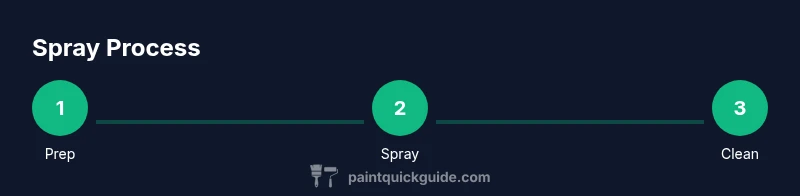
A paint spray airless system lets you cover large surfaces quickly with minimal texture variation. To do it well, pick a compatible sprayer and tip for your coating, prep the surface and masking, test spray on a sacrificial panel, set the correct pressure, maintain a steady distance, and clean the gun thoroughly after use.
What is paint spray airless and why use it?
Paint spray airless refers to a high-pressure pump system that atomizes paint without the aid of compressed air. It creates a fine spray by forcing paint through a small nozzle, producing even coverage on large areas with relatively little physical effort. For homeowners and DIYers, airless spraying can dramatically reduce application time for interior walls, exterior siding, and even some automotive refinishing tasks when used with appropriate coatings. According to PaintQuickGuide, the most reliable results come from matching the sprayer and tip to the coating and practicing consistent technique. When used correctly, airless spray minimizes roller marks, reduces texture variability, and improves finish uniformity compared with traditional brushing or rolling, especially for flat walls or wide exterior surfaces. Always pick a system rated for your material, and be prepared to mask and protect nearby finishes to prevent overspray.
In this guide we’ll focus on practical, safe steps you can implement in a typical home workshop. The goal is smooth, professional-looking results without overspray or runs. We’ll cover tool selection, surface prep, paint preparation, setup, spraying technique, post-cleanup, and common troubleshooting, with real-world tips from the PaintQuickGuide Team.
What is paint spray airless and why use it?
Paint spray airless is a high-pressure system that atomizes paint without compressed air. It produces a fine spray by forcing paint through a narrow nozzle, delivering even coverage on large areas. For DIYers, airless spraying saves time and reduces texture variation compared with brushes or rollers, especially on walls and exterior siding. The PaintQuickGuide Team emphasizes choosing a sprayer and tip suited to the coating and practicing a steady technique to prevent drips.
What is paint spray airless and why use it?
Airless spray technology uses a high-pressure pump to push paint through a small orifice, creating a consistent mist. It’s ideal for big projects where speed matters, such as rooms, exterior walls, or automotive panels with compatible coatings. PaintQuickGuide notes that success hinges on surface prep, correct nozzle size, and controlled passes to avoid runs or heavy texture.
What is paint spray airless and why use it?
An airless sprayer can deliver uniform coverage with minimal physical effort when used on appropriate coatings. It’s particularly effective for large interior walls, ceilings, fences, or automotive refinishing panels that accept solvent-based or water-based paints. The PaintQuickGuide Team recommends practicing on a test panel and masking edges carefully to prevent overspray.
What is paint spray airless and why use it?
In short, airless spraying is a fast, scalable method for applying paint where coat consistency and speed matter. For best results, pair a suitable sprayer with the right tip, prepare surfaces adequately, and follow a deliberate spraying technique. This approach helps DIYers achieve professional-looking finishes with less fatigue.
Tools & Materials
- airless paint sprayer(Choose a model rated for your coating type (latex, oil-based, or enamel) and compatible with your hose length.)
- spray tip (nozzle)(Select size according to coating viscosity; typical interior/exterior latex use around 0.015-0.019 in. For thicker finishes, consider larger tips.)
- pressure regulator and gauge(Essential for maintaining consistent jet pressure and avoiding paint splatter.)
- respirator and protective eyewear(Use a respirator rated for paint fumes and chemical sprays. Safety first.)
- gloves(Nitrile or equivalent; keep hands protected from solvents and pigments.)
- face mask or drop cloths(Protect floors and nearby surfaces from overspray.)
- masking tape and plastic sheeting(Edge masking for trim, outlets, and windows.)
- paint strainer or filter(Remove debris before loading paint to prevent nozzle clogs.)
- paint and reducer/ thinner(Check coating compatibility and manufacturer thinning guidelines.)
- extension wand / pole(Useful for tall walls or ceilings; helps maintain distance from surface.)
- cleaning solvents and rags(Flush lines with solvent, then water-based cleaner for latex.)
Steps
Estimated time: 2-3 hours
- 1
Prepare the workspace
Clear the area of obstacles, move furniture as needed, and cover floors and adjacent surfaces with drop cloths. Ensure good ventilation and remove any flame sources. A tidy, protected workspace reduces cleanup time and prevents damage to surfaces not intended for spraying.
Tip: Create a dedicated spray zone with a plastic barrier; this minimizes overspray migrating to unintended areas. - 2
Prep the surfaces
Wash or lightly sand the surface to remove dirt, oils, and previous coatings that could cause adhesion issues. Fill holes or cracks with appropriate filler, allow to dry, then sand smooth. Clean dust with a tack cloth before loading paint.
Tip: Test a small patch to verify adhesion and finish before committing to the whole surface. - 3
Set up the sprayer and select a tip
Attach the hose, connect the spray tip, and secure the nozzle guard. Choose a tip size suitable for your coating’s viscosity. Check that the filter is in place and inspect hoses for any leaks before applying power.
Tip: Start with a mid-range tip and adjust if you see runs or poor coverage on a test panel. - 4
Mask edges and protect fixtures
Apply masking tape along trim, outlets, and nearby fixtures. Use plastic sheeting to cover larger areas that you don’t want sprayed. Ensure the masking is tight so edges stay crisp during passes.
Tip: Leave a small gap at the edge of masking to avoid peeling when you pull it off after spraying. - 5
Prepare the paint and sieve
Stir the paint according to manufacturer guidance and strain it through a filter to remove lumps or debris. Load the material into the sprayer reservoir or syringe, depending on your model. Confirm the coating compatibility with your sprayer.
Tip: Keep a spare filter on hand; clogged filters are a common spray issue. - 6
Test spray and adjust
Test spray on a sacrificial panel or cardboard to dial in spray pattern and opacity. Check for orange peel, pinholes, or excessive overspray. Make small adjustments to the pressure or tip as needed, then re-test.
Tip: Use even, overlapping passes and keep the gun roughly perpendicular to the surface. - 7
Spray the surface
Start spraying at a consistent distance (about 12-18 inches / 30-45 cm) and maintain a steady speed. Apply in light, even passes with 50% overlap to avoid stripes. Pause briefly at edges to ensure clean corners.
Tip: Don’t stop abruptly; keep moving to avoid heavy buildup at the end of each pass. - 8
Cleanup and storage
Flush the lines with the appropriate solvent, then wash and dry the sprayer. Rinse with water-based cleaner if using latex. Disconnect and store components in a dry, ventilated area. Label used coatings for proper disposal.
Tip: Never leave paint in the sprayer; clogs and residues can harden and damage seals.
Your Questions Answered
Is an airless sprayer better than a HVLP for home painting?
Both have advantages; airless sprayers cover large areas quickly and handle thicker coatings better, while HVLP systems offer more control for fine finish work. Choose based on project size, coating type, and desired finish. Always test before committing to a full job.
Airless sprayers cover large areas quickly, but HVLP can give you more control for fine finishes. Pick based on project size and coating, and test first.
Can I spray automotive finishes with a paint spray airless?
Airless sprayers are generally not recommended for automotive finishes that require very fine atomization and specific spray guns. Use equipment designed for automotive refinishing, or consult coating manufacturer guidelines if you proceed.
Airless sprayers aren’t ideal for automotive finishes that require precise atomization; use gear designed for automotive refinishing or follow the coating maker’s guidelines.
How thick should the paint be for airless spraying?
Follow the manufacturer’s thinning guidelines for your coating. Test on a panel; if you see runs or heavy texture, adjust thinning and/or tip size. Consistency of viscosity is key to uniform coverage.
Follow thinning guidelines and test on a panel. If you see runs or texture, adjust thinning and tip size accordingly.
How do I clean the spray gun after use?
Flush the lines with the appropriate solvent, then rinse with water-based cleaner if using latex. Disassemble and dry all parts before storage. Proper cleaning prevents clogs and extends equipment life.
Flush with solvent, then rinse, disassemble, and dry before storing to prevent clogs.
What safety precautions should I take when using an airless sprayer?
Wear a proper respirator and eye protection, ensure good ventilation, and mask off nearby areas. Avoid spraying near open flames and store solvents away from heat sources. Take breaks to manage exposure to fumes.
Wear PPE, ventilate, mask edges, and keep solvents away from heat. Take breaks to manage fumes.
What maintenance should I perform after a spraying job?
Rinse the lines, clean the nozzle, and inspect seals for wear. Store with solvents drained away from the pump if not using for an extended period. Regular checks reduce downtime on future projects.
Rinse lines, clean the nozzle, and inspect seals. Drain and store properly for next time.
Watch Video
Quick Summary
- Plan masking before starting to spray
- Test spray on a panel to calibrate settings
- Maintain consistent distance and overlap
- Clean and protect equipment after use
- Follow safety guidelines and ventilation best practices