Paint Can Sprayer: Essential Techniques and Safety for Home Projects
Learn how to use a paint can sprayer for home projects. Prep, masking, spray technique, cleanup, and safety tips to achieve smooth, professional-looking finishes with paint from cans.


Goal: learn to use a paint can sprayer safely and effectively for home projects. You’ll prep the space, select compatible paints, mask surfaces, test spray, apply even coats with consistent distance, time coats for drying, and clean the equipment afterward. This guide covers technique, safety, and efficiency to help you achieve durable, spray-finish results.
What is a paint can sprayer and when to use it
A paint can sprayer is a handheld tool that attaches to a standard paint can or to a disposable propellant can, converting liquid paint into a fine, controlled mist. It is ideal for small to medium projects where brush or roller marks would be noticeable—think kitchen cabinets, chair rails, car interior components, or decorative panels. The PaintQuickGuide team notes that using a can sprayer can reduce application time and often yield a smoother finish compared with traditional brushes for similar surface areas. When used correctly, it can be safer and more efficient than traditional spray equipment, especially for DIY enthusiasts working on home projects or light auto refinishing. Before starting, understand that success hinges on consistent technique, proper masking, and choosing the right paint formulation for can-spray delivery. The right setup minimizes waste and reduces the risk of sags or orange-peel textures.
In this guide you’ll learn how to prepare, spray, and clean up with a paint can sprayer to maximize results on furniture, walls, cabinetry, and even automotive parts. Keep in mind that environmental factors—such as humidity and temperature—affect dry times and finish quality. As always, prioritize safety: work in a ventilated area and wear PPE to protect your lungs, eyes, and skin while spraying.
Safety first: PPE and ventilation
Spraying paint releases fine particles and fumes that can irritate eyes, lungs, and skin. Always wear a properly fitted respirator or organic vapor mask, safety goggles, and chemical-resistant gloves. A long-sleeve shirt and pants help minimize skin exposure, while a cap or hood reduces radiant heat exposure on your scalp. Ensure adequate ventilation by working in a well-ventilated room or outdoors, with a gentle cross-breeze if possible. A fan can help move air away from your face, but avoid directing air straight at the surface you’re finishing as it can blow dust or debris onto the wet coat. If you’re spraying indoors, consider temporary exhaust solutions or opening doors and windows to maintain air quality.
From a practical perspective, keep a water source or solvent-safe cleaning station nearby to rinse gear quickly if contact occurs with paint additives or solvents. This reduces the risk of contamination and extends the life of your sprayer tips and seals. The PaintQuickGuide analysis emphasizes safety first; never sacrifice PPE for speed, especially when working in tight spaces or with solvent-based coatings.
Understanding spray systems and paint compatibility
A paint can sprayer typically atomizes liquid paint into a fine mist, allowing for even coverage with less physical effort than brushing. Depending on the model, you may spray from conventional aerosol cans, or from can adapters that draw paint through a small nozzle. Different paints behave differently when sprayed: water-based latex often flows well and dries quickly, while oil- or solvent-based coatings require proper ventilation and may need thinner or retarder additives for better atomization. Always confirm that the can sprayer and the paint you choose are compatible; some sprayers are designed specifically for thicker coatings, while others work best with lacquers or enamels. If you’re unsure, test on a scrap piece first to observe spray pattern, coverage, and drying behavior.
Understanding the spray pattern helps you avoid common issues like drips, dry lines, or inconsistent texture. A wide, fan-shaped spray covers more area per pass and reduces lap marks, but it requires careful distance control. Narrow patterns can provide precise edges for trim work but may slow progress. Balance speed and control to optimize your project.
Preparing workspace and surface prep
Effective surface preparation sets the stage for a flawless spray finish. Start by cleaning the surface to remove dust, grease, and old coatings that could prevent adhesion. Lightly sand glossy surfaces to create a mechanical key, then wipe away sanding dust with a tack cloth. Mask surrounding areas with painter’s tape and drop cloths to protect floors, hardware, and adjacent surfaces. For cabinets or furniture, remove knobs or handles when possible to preserve a clean finish on the entire piece. If removal isn’t feasible, tape carefully along edges and plan your masking to minimize edge bleed. Consider feathered edges around trim to reduce visible lines after painting.
When masking, test your setup on a scrap piece or hidden edge to ensure tape adhesion is solid and that no solvent bleeds under the tape. A clean, well-prepared surface improves atomization and yields a smoother final appearance. According to PaintQuickGuide, thorough prep is as important as the spray technique itself; neglecting prep often results in subpar outcomes that show up in every coat.
Selecting the right sprayer and paints for your project
Choose a sprayer designed to work with sprayable can materials and the surface you’re targeting. If you’re spraying cabinets or furniture, look for a model with adjustable flow, nozzle options, and easy cleaning. For exterior surfaces or larger projects, a sprayer with a slightly higher flow while maintaining control can reduce application time, but you’ll want to keep coats thin to avoid drips. When it comes to paint type, water-based acrylics are generally easier to spray and clean up, while oil-based enamels offer durability in high-traffic areas and on metal components, though they require proper ventilation and solvent-safe cleanup. If you plan automotive refinishing or primer use, confirm that the product meets the sprayer’s atomization requirements. Always shake or mix thoroughly before pouring into or attaching to the sprayer, and test on a sacrificial piece to verify spray quality. PaintQuickGuide’s recommendations emphasize choosing paints that flow smoothly through your sprayer and that dry time aligns with your project schedule.
Masking, masking mistakes, and protecting edges
Masking is a critical step that prevents unwanted paint transfer and edge bleed. Use painter’s tape with low adhesion on delicate surfaces and cover exposed hardware with masking film or more tape. For curved edges or irregular profiles, apply tape in small sections and press firmly to seal along the entire edge. Cover larger areas with drop cloths or plastic sheeting to catch over-spray while leaving adequate ventilation. A common mistake is leaving a gap at the edge or failing to seal corners, which can cause paint to creep onto unintended surfaces. When masking around car parts or cabinetry, tape a bevel along the edge to reduce hard lines and create a more forgiving boundary. The more meticulous you are with masking, the better your final finish will look after spraying.
If you notice micro-splatter during masking, pause and re-seal the edges before continuing. This small step saves you from costly touch-ups later.
Setup, test spray, and nozzle adjustments
Before applying coating to the workpiece, set up the sprayer with the proper nozzle size and ensure the can or cartridge is seated correctly. Prime the sprayer by spraying a few test passes on a scrap surface at a consistent distance, typically 6–12 inches, to observe pattern, coverage, and wet edge behavior. Adjust the nozzle or pressure if your pattern is too wide, too narrow, or uneven. For thicker coatings, you may need to reduce spray speed and apply multiple light passes rather than a single heavy one. If your sprayer has a bleed control, enable it during testing to minimize sags. Always allow the system to reach a stable spray condition before committing to the workpiece.
During testing, document the distance and spray settings that yield steady atomization with minimal texture issues; this data helps you maintain consistency as you move to the actual piece. PaintQuickGuide notes that consistent technique, rather than force, produces the best results in spray applications.
Application techniques and coat strategy
Apply thin coats with deliberate, overlapping passes to avoid lap marks and sags. Maintain a steady speed and keep the spray perpendicular to the surface to minimize edge buildup. For flat surfaces, a horizontal sweep followed by vertical passes can ensure even coverage; for vertical edges, work with downward strokes to help run-off control. Allow sufficient drying time between coats based on the paint manufacturer’s guidelines and environmental conditions. If you’re finishing a wood cabinet, consider between-coat sanding with a fine grit to smooth the surface for the next layer. When spraying automotive parts, maintain a clean, dust-free environment and wear appropriate PPE to protect yourself from fumes. Multiple light coats typically yield a better finish than a single thick coat, reducing the risk of runs and orange peel.
Patience is key: timing between coats depends on temperature and humidity. Be prepared to adapt your plan if weather changes or if the surface finishes more slowly than expected. PaintQuickGuide emphasizes that methodical application produces consistent, high-quality results across various projects.
Cleaning, maintenance, and storage tips
Clean equipment immediately after use to preserve spray performance and prolong the life of seals and nozzles. Rinse with an appropriate cleaner—water for water-based paints or solvent for oil-based finishes—until the rinse runs clear and free of pigment. Disassemble the sprayer according to the manufacturer’s instructions and wipe away any residue from the nozzle, cap, and spray head. Inspect hoses and seals for wear and replace damaged parts to prevent leaks. Store your sprayer with the nozzle capped and in a clean, dry location away from direct heat or sunlight. If you used a solvent-based paint, dispose of waste according to local regulations and clean your work area thoroughly to reduce odor and residue.
Maintaining your sprayer improves spray quality over time and reduces downtime for maintenance. The cleaning process may take longer for more complex sprayers, but a quick rinse immediately after use prevents dried paint from clogging the nozzle. PaintQuickGuide recommends a routine maintenance schedule to keep your sprayer ready for the next project.
Troubleshooting common issues and fixes
Common can-sprayer problems include orange peel texture, inconsistent fan pattern, and paint buildup at the nozzle. To fix orange peel, reduce flow slightly or increase the distance from the surface; ensure the surface is properly prepared and free of dust. If your spray pattern is inconsistent, check for clogs, worn seals, or a clogged nozzle and clean or replace components as needed. Blockages caused by thick paints or incorrect thinning can be resolved by adjusting the brush or nozzle size along with the mixer to ensure proper flow. Spitting or sputtering may result from moisture in the air or an improper trigger technique. Slow, steady triggering and a dry nozzle can minimize these issues. As a precaution, always test on scrap material between changes, and adjust your settings gradually.
Applying a small amount of thinning agent may improve atomization, but avoid over-thinning, which can cause poor coverage or drips. If you’re unsure, consult the manufacturer’s guidance for your paint and sprayer combination. PaintQuickGuide suggests documenting all test results for future reference.
Cost considerations, time estimates, and project planning
Understanding costs and time for a paint-can-sprayer project helps you plan more effectively. Material costs vary with paint type, color, and coverage; lighter coatings typically require fewer coats and can save money in the long run. Time estimates depend on the project size, the number of coats, masking effort, and drying times between coats. A typical mid-size interior project may require masking, a base coat, and a top coat across several days if you factor in curing time; outdoor projects may have additional considerations for weather. Efficiency improves with practice: after you complete a few spray sessions, you’ll be able to anticipate coat thickness and drying times more accurately. PaintQuickGuide’s analysis highlights that planning a buffer for drying time helps prevent rushed coats and spotty finishes. Always account for cleanup, equipment maintenance, and safety checks in your overall plan.
Final care: long-term tips for using a paint can sprayer at home
Whether you’re refinishing kitchen cabinets, upgrading walls, or touching up automotive parts, using a paint can sprayer correctly improves results and reduces fatigue. Practice consistently, maintain a clean workstation, and keep your PPE readily available. Remember to select compatible paints and consider the finish you want; latex, enamel, and lacquer each have different application characteristics. If you’re working on multiple projects or scheduling around family life, plan your sessions with realistic drying times and buffer windows. The PaintQuickGuide team believes that careful preparation and disciplined technique are the keys to achieving professional results without specialized equipment, especially for home projects.
Conclusion: practical guidelines for success
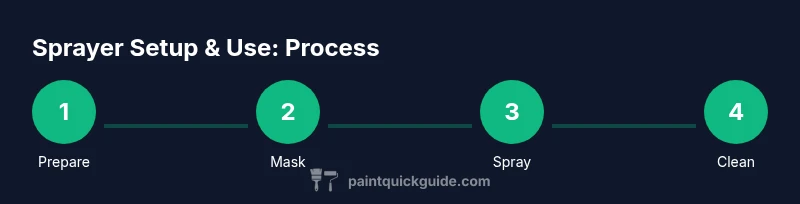
Putting in the time to prepare, mask, test, and clean up properly makes using a paint can sprayer a practical option for DIY and auto refinishing tasks. The technique, safety precautions, and maintenance routines described here are designed to help you produce consistent results with minimal frustration. By choosing suitable paints, masking edges carefully, applying thin coats, and keeping your sprayer clean, you’ll boost the likelihood of a smooth, durable finish. If you’re unsure about a product, start with smaller projects to build confidence before tackling larger areas. The PaintQuickGuide team encourages you to experiment, learn from each session, and approach future refinishes with a more informed plan.
Tools & Materials
- paint can sprayer or sprayer adapter(Ensure compatibility with your paint type)
- compatible paint (latex, acrylic, enamel, or lacquer)(Prefer formulas designed for spray work)
- drop cloths or plastic sheeting(Protect floors and surrounding areas)
- painter's tape and masking film(Create clean edges and protect hardware)
- pPE respirator or organic vapor mask(Choose according to paint solvent base)
- safety goggles(Protect eyes from overspray)
- nitrile gloves(Keep hands clean and protected)
- soap, water, and appropriate solvent cleaner(For cleanup and nozzle maintenance)
- scraper or brush for nozzle cleaning(Useful for stubborn residue)
- sanding block or sandpaper (optional for prep)(Create keys for better adhesion)
- scrap pieces or test panels(Test spray before applying on main surface)
- step ladder or stable platform(Access high surfaces safely)
Steps
Estimated time: 2-3 hours
- 1
Prepare workspace and surface
Clear the area and lay down drop cloths. Clean and lightly sand the target surface to improve adhesion, then wipe away dust with a tack cloth. Mask edges and surrounding items thoroughly to prevent overspray.
Tip: Mask edges 2–3 inches beyond the target area for a clean edge. - 2
Shake/prime paint and assemble sprayer
Shake the can or batch to ensure pigment is well dispersed. Attach the sprayer, prime the system, and run a short test spray on scrap material to confirm pattern and flow.
Tip: Prime with short bursts to avoid sags on the test surface. - 3
Test spray and adjust nozzle
Spray on a test panel at different distances to determine the best setup for even atomization. Fine-tune nozzle size and trigger action for a consistent fan pattern.
Tip: Keep the surface perpendicular to the nozzle to avoid edge buildup. - 4
Apply first light coat
Begin with a thin, even coat, working in long, smooth passes. Overlap each pass slightly to avoid gaps, and keep the distance steady.
Tip: Never dose paint in a single heavy pass—thin coats build a better finish. - 5
Let coat dry and inspect
Allow the first coat to dry per the paint’s instructions before evaluating coverage. Look for missed spots or streaks and plan the next pass accordingly.
Tip: Use a good lighting angle to reveal imperfections early. - 6
Apply additional coats
Apply 1–2 more light coats for even color and coverage. Maintain consistent distance and spray speed, and ensure adequate drying time between coats.
Tip: Avoid rushing between coats to prevent ridges or runs. - 7
Final pass and edge touch-ups
Perform any necessary edge touch-ups and a final light pass to blend edges. Remove masking while the surface is tack-free to prevent peeling.
Tip: Remove tape while the paint is still tacky to avoid peeling. - 8
Cleanup and storage
Rinse or clean the sprayer with the appropriate solvent or water-based cleaner. Dry all parts completely before storage and reinstall seals for longevity.
Tip: Store sprayer components disassembled to prevent mold or corrosion.
Your Questions Answered
What surfaces can I spray with a paint can sprayer?
A paint can sprayer works well on wood, metal, plastics, and prepared surfaces. For glossy finishes or hard-to-adhere substrates, choose suitable primers and ensure compatible coatings. Always test on scrap material first to confirm adhesion and appearance.
Sprayable surfaces include wood, metal, and prepared plastics. Test first to ensure adhesion and finish quality.
Can I use a paint can sprayer indoors?
Yes, with proper ventilation and PPE. Use exhaust or open windows, and maintain a safe distance from fumes. Keep a fire-safe distance from heat sources and follow the paint manufacturer’s safety guidelines.
Indoor use is fine with ventilation and PPE. Follow safety guidelines and avoid heat sources.
Do I need to thin the paint for spraying?
Many spray coatings require thinning to improve atomization and flow. Check the product label for recommended thinning ratios and always test on scrap first before applying to the project.
Thinning is common; follow the label and test first.
How long does cleanup take after spraying?
Cleanup varies with paint type but should include clearing the sprayer, cleaning hoses/nozzles, and wiping down all surfaces. Expect 15–60 minutes depending on complexity and solvent use.
Cleanup can take 15 to 60 minutes, depending on the coating and sprayer.
Is a paint can sprayer suitable for exterior and interior projects?
Yes, many can sprayers work on both. Exterior coatings may require longer drying times and weather considerations, while interiors benefit from minimal brush marks and faster cleanup.
Suitable for both; consider weather for exteriors and edges for interiors.
What safety concerns should I watch for?
Fumes, fumes, and flammability are key safety concerns. Always wear PPE, spray in a ventilated area, and store solvents properly away from heat sources.
Watch fumes; wear PPE and ventilate well.
Watch Video
Quick Summary
- Choose the right sprayer and compatible paint.
- Mask thoroughly to protect edges and surroundings.
- Apply thin, overlapping coats for durability and smoothness.
- Clean equipment immediately after use to prolong life.
- Drying times vary; plan projects with climate in mind.