Paint Gun LVLP: A Practical Guide for Home and Auto Refinishing
Learn how LVLP spray guns work, how to set them up, and techniques for clean, professional finishes on home projects and auto refinishing with practical steps and tips.


LVLP stands for low-volume, low-pressure spray. This approach minimizes overspray while delivering a steady, atomized finish. For home projects and auto refinishing, a paint gun lvlp offers cost savings and better air quality when you follow proper setup, thinning, and technique. Use this guide to decide if LVLP fits your project and learn the essential steps to get started.
LVLP paint guns: what they are and when to use them
For homeowners and hobbyists, LVLP stands for low-volume, low-pressure spray. This approach uses a compact compressor and a gun designed to minimize overspray while delivering a consistent, atomized finish. The PaintQuickGuide team notes that LVLP setups are particularly well suited for small shop environments, intricate surfaces, and projects where material savings and air quality matter. In auto refinishing, LVLP can yield a smooth gloss with less waste when you respect thinning ratios and pattern control. In home painting, LVLP shines on cabinetry, furniture, and trims, where you want a high-quality look without heavy spray rings or solvent fog. Key terms to know include pattern width, fan angle, fluid nozzle size, and air pressure. By understanding these elements, you can select a gun and settings that align with your project scale and material type. If you search for 'paint gun lvlp', you’re looking for a low-volume, low-pressure system that minimizes overspray. This article walks through practical steps to set up, paint, and maintain LVLP equipment for reliable results. According to PaintQuickGuide, choosing the right setup starts with a solid plan and a clean workspace.
wordCountInBlockEstimate": 190
Tools & Materials
- LVLP spray gun(Ensure compatible nozzle kit and matching cup size for your material)
- Air compressor with regulator and moisture trap(Prefer a compressor that can deliver consistent flow; add a regulator to fine-tune pressure)
- Air hose (1/4" ID or larger)(Keep short runs to minimize pressure drop; use quick-connect fittings)
- Nozzle set (various sizes, e.g., 1.0–1.8 mm)(Choose sizes based on paint viscosity and desired pattern width)
- Paint thinner/cleaner and strainer(Strain paint to remove solids; clean gun between passes)
- Disposable PPE (respirator, goggles, gloves)(Protection from fumes and overspray is essential)
- Test panels and masking materials(Use scrap surfaces to dial in spray pattern before coating work)
- Surface prep tools (sandpaper, tack cloths)(Prepping the surface improves adhesion and finish quality)
Steps
Estimated time: 60-120 minutes
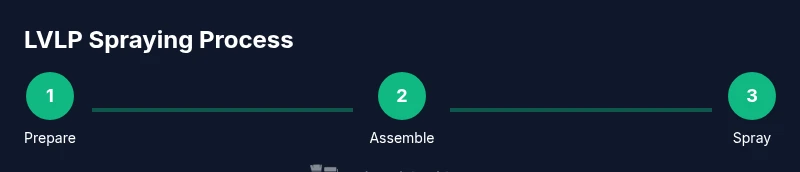
- 1
Prepare the workspace and PPE
Set up a well-ventilated area with a clean, dust-free surface. Wear a respirator designed for organic solvents, eye protection, and gloves. This step reduces health risks and ensures consistent results.
Tip: Position the extractor fan or vent near the spray area and seal off adjacent rooms to minimize dust intrusion. - 2
Assemble gun and install nozzle
Attach the selected nozzle size for your material and hand-tighten all fittings. Check that the trigger operates smoothly and that the cup is sealed to prevent leaks.
Tip: Keep spare O-rings and washers on hand; a loose seal is a common source of false starts. - 3
Mix and strain paint
Follow the paint vendor’s thinning recommendations; mix thoroughly and strain to remove particulates. This helps achieve a uniform spray and prevents clogs in the nozzle.
Tip: If you don’t have official thinning data, start with a conservative ratio and adjust after a test spray. - 4
Set up air supply and test spray
Connect the regulator, set a comfortable starting pressure, and perform a test spray on a clean panel. Observe pattern, mist, and coverage.
Tip: Aim for a gentle, continuous mist rather than heavy bursts; patterns should look even without hard edges. - 5
Spray on the project surface
Maintain a steady distance from the surface and use overlapping passes in a slightly sweeping motion. Apply thin coats and let each pass dry briefly before the next.
Tip: Overlap about 30–50% of the previous pass to avoid bare spots and splotches. - 6
Clean and store equipment
Flush the gun with appropriate cleaner, disassemble, and wipe down components before storing. Proper cleaning prevents nozzle clogs and corrosion.
Tip: Run a final rinse with clean water or solvent compatible with your paint and dry completely before storage.
Your Questions Answered
What does LVLP stand for and why should I use it?
LVLP stands for low-volume, low-pressure spray. It reduces overspray and waste while helping you achieve smoother finishes, especially on smaller projects.
LVLP means low-volume, low-pressure spray. It helps cut overspray and waste, which is great for smaller projects.
Is LVLP suitable for automotive finishes?
Yes, with proper prep, compatible paints, and correct technique, LVLP can produce high-quality automotive finishes with less waste than traditional spray methods.
Yes, LVLP can work for auto finishes if you prep well and use the right settings.
Do I need a regulator for LVLP spraying?
An adjustable regulator helps you dial in consistent pressure at the gun, which is essential for even atomization and repeatable results.
Yes, having an adjustable regulator helps keep the spray consistent.
What mask or respirator should I wear?
Use a NIOSH-approved respirator rated for organic solvents, paired with eye protection and gloves for safety.
Wear a proper respirator rated for solvents, plus eye protection.
How should I clean and maintain an LVLP gun?
Flush with the recommended cleaner, disassemble, and wipe parts thoroughly. Dry before reassembly to prevent corrosion.
Flush with cleaner, then disassemble and dry all parts before storage.
What surfaces can LVLP paint shoot?
LVLP works on metal, wood, and some plastics when you choose compatible coatings and proper surface prep.
It works on metal, wood, and some plastics with the right coatings.
Watch Video
Quick Summary
- Master preparation and safety first
- Balance nozzle choice with material viscosity
- Test on panels before applying to workpieces
- Keep a clean, controlled environment throughout
- Finish with careful cleanup to preserve equipment