Paint Color Matching: A Practical Home Guide
Master paint color matching with a practical, room-tested approach. Learn to use swatches, lighting, and finishes, plus checklist-driven steps and pro tips for accurate results in homes and cars. Brand-backed guidance from PaintQuickGuide helps homeowners and DIYers get reliable color matches.


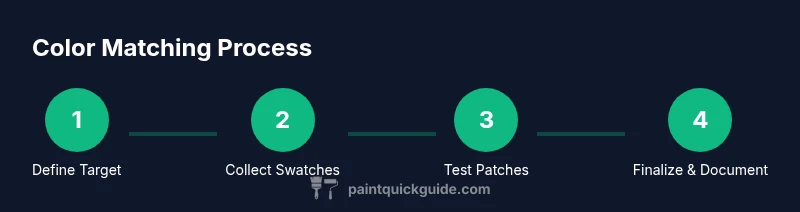
You will learn a practical color-matching method for walls, cabinets, and cars that emphasizes swatches, lighting, and finishes. By testing patches in real room lighting and documenting results, you ensure repeatable results. According to PaintQuickGuide, a deliberate, test-first approach yields reliable color matches across surfaces. This fast answer outlines the core steps and required tools to get started.
What color matching means in real life
Color matching is about more than ordering a chip that looks close in a store. It’s a disciplined process that accounts for lighting, surface finish, and the material’s pigment. According to PaintQuickGuide, successful matching begins with a clear target: identify the exact surface you’re imitating (wall, cabinet, trim, or a car panel), collect representative swatches, and plan a test path that mirrors the final environment. Real-world results demand a controlled test bed: a dry, clean surface, daylight-balanced lighting, and an accurate record of which swatch and finish was used. When you treat matching as a project with measurable steps, you reduce guesswork and dramatically improve the odds of a flawless result. This mindset also helps you communicate with suppliers and pros, ensuring everyone is aligned on the intended color and sheen.
wordCountNote
Tools & Materials
- Paint color swatches / chips(A wide range from light to dark, including a few mid-tones; include matte and gloss finishes if possible)
- Test pots or small cans(Label with base color and finish; use for patch testing on an inconspicuous area)
- Painter’s tape(3M or similar for clean, crisp swatch edges)
- Testing board or scrap drywall panel(8x10 inch patch that you can paint and retest without wasting wall space)
- Portable daylight-balanced light(CRI > 90, 5000-6500K; use for both testing and comparisons)
- Digital color tool (optional)(Colorimeter or a smartphone color-matching app to quantify color differences)
- Notepad and pencil(Record swatch IDs, finish types, lighting conditions, and final decisions)
- Clear topcoat (optional for finish tests)(If testing gloss or satin finishes, apply a small clear coat to see final appearance)
Steps
Estimated time: 45-60 minutes (testing and documentation) plus initial prep
- 1
Define the target color and finish
Clarify whether you’re matching a wall, cabinet, or car panel. Note the target color family (neutral, warm, cool) and the desired finish (matte, eggshell, satin, gloss). This upfront decision guides every subsequent test and prevents scope creep.
Tip: Document the exact finish and lighting you’ll use for testing. - 2
Gather swatches and set up testing area
Assemble a diverse swatch set and prepare a testing board with a clean, neutral background. Apply small patches of each candidate color on the board and let them dry in the same environment you’ll use for the final finish.
Tip: Label each patch with color name, base, and finish type to avoid confusion later. - 3
Test under multiple light sources
Observe patches under daylight, warm incandescent, and any fluorescent lighting present in the room. Note how the color shifts with different light; this is the core reason color matching is more than a single swatch.
Tip: Use the same light source as the final room to gauge true appearance. - 4
Narrow to one or two best contenders
Eliminate color swatches that drift too far in any lighting condition. Focus on those that remain closest to your target across all tested lights and finishes.
Tip: Prefer a patch that looks slightly lighter in daylight and slightly deeper under artificial light if your space changes; avoid extremes. - 5
Apply a patch on a test surface
Apply the chosen color in a small, controlled patch on your testing board or a discreet area of the actual surface. Allow full cure time and compare again after drying to ensure the finish settles.
Tip: If the surface has a grain or texture, test on a similar texture to your final surface. - 6
Document the final match and plan the finish
Record the final color, base, and finish. Create a short plan for final painting, including prep steps and any required sheen adjustments. If possible, order a test batch to confirm color before full-scale work.
Tip: Keep a photo kit handy to compare color at different times of day.
Your Questions Answered
What is color matching in paint, and why is it challenging?
Color matching aligns pigment with an existing color while factoring in finish, lighting, and texture. It’s challenging because perception changes with light and sheen, and small differences can be noticeable on large surfaces. A structured test plan helps reveal the true match.
Color matching is aligning pigments with an existing color, accounting for finish and lighting. It’s tricky because light and texture change perception, so a step-by-step test plan helps ensure accuracy.
Why do colors look different under various lighting?
Lighting changes the way pigments reflect light. Daylight tends to reveal true color, while warm indoor lighting can warm or dull tones. Testing under multiple light sources helps you choose a color that remains faithful across environments.
Different lights change how colors appear. Test under daylight and indoor lighting to pick a color that holds up in your space.
Can I rely entirely on digital color tools?
Digital tools can guide you, but they won’t capture real-world variables like texture, sheen, and lighting. Use them as a supplement to physical swatches and real patches for best results.
Digital tools help, but they can’t replace real swatches. Use them alongside physical tests for reliability.
How do I match car paint color with new finishes?
Car color matching often requires factory color codes or professionally tinted base coats. Start with swatches that match the car color family, then test under the car’s usual lighting and use top coats to achieve the final gloss level.
Car color matching usually needs exact codes or professional tinting. Begin with color-family swatches and test under typical lighting, then finish with the right gloss.
What finishes affect color perception the most?
Sheen levels (matte, satin, eggshell, semi-gloss, gloss) markedly influence color perception. Higher sheens reflect more light and can alter perceived hue; always test with the intended finish in mind.
Finish level really changes how color looks. Test your color with the intended sheen to see the real result.
How can I verify a color match before repainting the whole surface?
Paint a controlled patch on a test area, dry it completely, and compare at different times of day. If it still looks close, schedule a small trial repaint on a non-visible area to confirm before full coverage.
Patch-test first, then check at various times of day before committing to a full repaint.
Watch Video
Quick Summary
- Define the target color and finish upfront
- Test under multiple lighting conditions
- Document results precisely for repeatability
- Use both swatches and test patches to validate results