Oil on Paint: A Practical How-To Guide
A step-by-step guide to applying oil-based paint over existing surfaces, with surface prep, primers, application techniques, drying times, cleanup, and troubleshooting for durable, professional results.


Learn how to safely and effectively apply oil on paint, including surface prep, bonding primers, proper ventilation, application techniques, drying times, and cleanup. This guide helps homeowners and DIYers achieve durable finishes while avoiding common adhesion and safety issues.
Why Oil on Paint Requires Care
Oil on paint surfaces can yield a durable finish when you prepare correctly, but it also has potential pitfalls: compatibility issues, solvent odors, longer dry times, and VOC exposure. According to PaintQuickGuide, oil-based coatings demand careful surface prep and proper ventilation to achieve long-lasting adhesion. In this section we explain why these finishes behave differently from latex paints, and how to judge whether your project is appropriate for oil on paint. We’ll discuss surface types (wood, metal, previously painted drywall), the risks of peeling or blistering if you skip prep, and what to expect in terms of cleanup and curing. The goal is to help you decide whether oil on paint is the right tool for your project and to plan steps that minimize issues. By understanding the chemistry and the workflow, homeowners and DIY enthusiasts can achieve a professional look with fewer surprises. PaintQuickGuides practical approach to oil-based finishes emphasizes safety, long-term durability, and neat results.
Safety and Ventilation
Oil-based paints release volatile organic compounds (VOCs) that can irritate the eyes, nose, and lungs. Work in a well-ventilated area and wear appropriate PPE, including respirator or organic vapor mask, gloves, and eye protection. Keep flames and sparks away, as solvents are highly flammable. Lay down drop cloths, mask edges with painters tape, and remove everything you dont want to risk. If youre painting indoors, open windows and, if possible, use a gentle exhaust fan to move fumes away from your breathing zone. Store rags in a metal container with water until you dispose of them properly. These precautions protect you, your family, and your home while you work with oil on paint.
Surface Prep for Oil on Paint
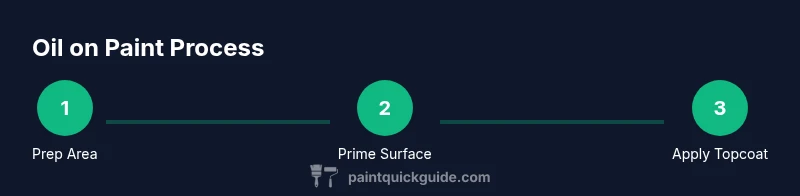
Begin with a thorough surface assessment. If the current finish is peeling or blistering, remove loose areas first. Clean the surface with a degreaser or TSP substitute to remove oils, waxes, and dirt, then rinse and let dry completely. Lightly scuff glossy surfaces with 120- to 220-grit sandpaper to promote adhesion and wipe away dust. Edges and corners should be prepped with careful sanding to avoid visible edge ridges after coats. A clean, dry, properly deglossed surface is essential for oil on paint to bite and cure evenly. This step dramatically reduces peeling and ensures a smooth, durable finish. PaintQuickGuide recommends a meticulous prep routine to maximize adhesion and longevity.
Choosing the Right Oil-Based Paint and Primer
Select an alkyd-based, or traditional oil-based, enamel for maximum durability on high-traffic surfaces; pair it with a bonding primer designed for oil-based coatings on non-porous surfaces. If the surface has stain or tannin issues, start with a shellac-based primer to seal the substrate and prevent bleed-through. Consider the environment: kitchens, bathrooms, and exterior surfaces benefit from high-performance finishes with strong washability. Do not mix acrylic latex paints with straight oil-based paints without a compatible primer. Proper selection of paint and primer reduces issues and saves time in the long run.
Primers and Bonding for Oil on Painted Surfaces
When adhesion is a concern, a bonding primer is your best ally. Bonding primers improve grip on slick or previously painted surfaces and can help fill minor imperfections. For wood and metal, an oil-based primer often yields the most durable base, especially in spaces with temperature or humidity fluctuations. Apply primer evenly, following the manufacturers drying times, and sand lightly after it cures to ensure a smooth base for the topcoat. In some cases, a stain-blocking primer is necessary to prevent bleed-through from underlying finishes. This foundational step sets the stage for a flawless final coat.
Application Techniques: Brushing, Rolling, and Spraying
Oil on paint requires deliberate technique. Cut in edges with a high-quality angled brush to establish crisp lines, then use a solvent-resistant roller for larger areas, applying thin, even coats. Maintain a wet edge to avoid lap lines, and work in manageable sections to prevent the coat from drying inconsistently. If youre using a sprayer, test spray on a scrap surface first and use a nozzle appropriate for solvent-based coatings. Always keep brushes and rollers clean to prevent dried lumps from marring the finish. The goal is a smooth, uniform film with minimal texture that holds up to cleaning and daily wear.
Drying Times and Recoat Windows
Drying times for oil on paint vary with temperature, humidity, and the thickness of the coat. Expect longer dry times in cooler or damp conditions; passively cooled spaces slow curing, while good ventilation speeds evaporation of solvents. Between coats, lightly sand to remove imperfections and re-create a tooth for the next layer. Do not rush the process by applying a second coat too soon, which can trap solvents and lead to wrinkling or poor adhesion. Planning around a realistic dry time reduces rework and ensures a durable finish.
Cleanup, Storage and Disposal
Cleaning oil-based tools requires mineral spirits or a specialized solvent. Wipe brushes and rollers, then rinse until the solvent drag is clean. Store brushes upright in a ventilated area and seal solvent containers tightly to minimize VOC release. Dispose of used solvents and oily rags following local regulations; never pour solvents down the drain. Proper cleanup not only protects your workspace but also extends the life of your tools for future projects.
Common Mistakes and How to Avoid Them
Common mistakes include skipping surface prep, painting over a glossy surface without sanding, and applying thick coats that trap solvents. Always prepare the surface, apply thin coats with even pressure, and allow complete drying times between coats. Inconsistent lighting and low ventilation can lead to unsatisfactory results that look good from afar but fail under cleaning or sunlight. Taking time to plan and execute each step minimizes issues and yields a professional-like finish.
Troubleshooting Common Issues
If you notice adhesion problems, inspect the prep work and primer choice. Blisters or wrinkling usually indicate solvent entrapment or poor surface prep. Yellowing and cracking often relate to improper brush technique or aging of the coating. A glossy finish may indicate a final coat laid too thick; light sanding and a fresh topcoat can restore smoothness. In stubborn cases, consult product guidelines or seek expert advice to identify whether a system rethink (primer, topcoat, or surface prep adjustments) is required.
When to Consider Alternatives or Professional Help
Oil on paint is robust, but some projects benefit from alternative approaches. For high-traffic areas or intricate surfaces, consider waterborne enamel or a high-quality acrylic latex with good washability as a finish option. Exterior or moisture-prone projects may necessitate weather-rated coatings designed for outdoor exposure. If you lack experience with solvent-based products or if safety concerns arise (ventilation, storage, painting in tight spaces), hiring a professional could save time and avert costly mistakes. The decision depends on the scope, budget, and desired durability of the project.
Tools & Materials
- Nitrile gloves(Chemical resistance for repeated handling of solvents and paints)
- Respirator or organic vapor mask(Select with appropriate cartridges; ensure proper fit)
- Safety goggles(Protect eyes from splashes and dust)
- Drop cloths or plastic sheeting(Cover floors and nearby furniture to protect from stains)
- Painter's tape(Mask off edges to achieve clean lines)
- Sandpaper (120-220 grit)(Sanded surfaces grip primers and paints better)
- Degreaser or TSP substitute(Remove oils, waxes, and dirt from surfaces)
- Clean rags(Wipe surfaces and remove dust or solvent residue)
- Mineral spirits or brush cleaner(Clean brushes and tools between uses)
- Oil-based primer(Bonding primer to improve adhesion on non-porous surfaces)
- Oil-based paint(High-quality alkyd or enamel; follow label directions)
- Paint tray and liners(Helpful for roller-based applications)
- Protective clothing(Long sleeves and closed shoes; avoid loose garments)
Steps
Estimated time: Total time: 3-6 hours (not including long drying times between coats)
- 1
Protect the work area
Move furniture away, lay down drop cloths, and mask edges to prevent splatters. Ensure pets and children are out of the space. This step keeps your project contained and reduces the need for touch-ups later.
Tip: Secure drop cloths with tape to prevent shifting. - 2
Degrease and clean the surface
Wipe the surface with a degreaser or TSP substitute to remove oils, wax, and grime. Rinse if the product requires it and let the surface dry completely before sanding or priming.
Tip: Rinse thoroughly and allow full drying time to avoid trapping moisture. - 3
Sand to create tooth
Lightly sand glossy areas with 120–220 grit to create a roughened surface for better adhesion. Remove all dust with a damp cloth or tack cloth before priming.
Tip: Don’t oversand; you only need a fine tooth for the primer to grip. - 4
Apply bonding primer
Brush or roll on a thin, even layer of bonding or oil-based primer. Allow it to dry fully per the manufacturers instructions before proceeding to topcoat.
Tip: A well-dried primer yields smoother top coats and fewer issues. - 5
Cut in edges and corners
Use a high-quality brush to paint edges and detailed areas first, creating crisp lines before rolling larger areas.
Tip: Maintain a wet edge to avoid lap marks. - 6
Apply the first coat
Roll or brush a thin coat in even strokes, avoiding pooled areas. Work in small sections and maintain consistent pressure.
Tip: Thin coats cure more evenly and reduce the chance of solvent entrapment. - 7
Dry and inspect between coats
Let the first coat dry completely in a ventilated space. Check for sags, drips, or defects; lightly sand any imperfections.
Tip: Ventilation speeds evaporation and improves cure. - 8
Apply second coat
Apply a second thin coat following the same technique as the first. A proper second coat yields uniform color and durability.
Tip: Allow full cure before subjecting the surface to use.
Your Questions Answered
Can I apply oil-based paint directly over latex paint?
Directly applying oil on paint over a latex or acrylic surface is not advised without proper surface preparation. Lightly sanding to create tooth, cleaning, and using a compatible bonding primer helps the oil-based topcoat adhere more reliably.
Oil-based topcoats over latex can work if you prep the surface well and use a bonding primer.
Do I really need a primer when painting with oil on paint?
In most cases, a primer improves adhesion, blocks stains, and evens out porosity. For non-porous or difficult surfaces, using an oil-based bonding primer is especially helpful.
Yes, primer is usually essential for a durable finish.
How long should I wait between coats?
Drying times vary by product and conditions. Follow manufacturer guidance, but plan for full cure between coats and avoid handling the surface until it feels dry to the touch in a safe, ventilated space.
Usually wait until the coat is dry to the touch, then inspect before the next coat.
Is ventilation really necessary for solvent-based paints?
Yes. Solvent-based paints release VOCs and fumes; good ventilation protects your health and speeds drying. If indoors, use exhaust or open windows and consider mechanical ventilation.
Ventilation is important for safety and quality of finish.
Can I clean oil-based brushes with water?
Water wont effectively clean oil-based paints. Use mineral spirits or a dedicated brush cleaner, then wash with soap and water after the solvent rinse.
No, use a solvent to clean brushes, then soap and water.
What should I do with oil-based leftovers and waste?
Dispose of oil-based solvents and paints according to local regulations. Do not pour into drains or trash; use designated hazardous waste collection if available.
Follow local rules for disposing of solvent-based materials.
Watch Video
Quick Summary
- Prepare the surface thoroughly for optimal adhesion
- Choose the right primer and oil-based topcoat for durability
- Apply thin coats and wait for proper drying times between coats
- Ventilate the space and follow safe cleanup practices
- Test an area and refine technique before full-surface application