How to Paint with Oils: A Practical Starter Guide
Discover a practical, beginner-friendly approach to how to paint with oils—from workspace setup to underpainting, glazing, layering, and final varnish.


Learn a practical, beginner-friendly approach to how to paint with oils—from workspace setup and surface prep to underpainting, glazing, layering, and varnish finishing.
Why oil painting remains a timeless medium for beginners and beyond
Oil painting offers rich color and depth that can be surprisingly forgiving for beginners. If you’re wondering how to paint with oils, start by building a simple, repeatable workflow and a clean, well-ventilated workspace. This section sets the stage for why oils are worth mastering and how you can approach the craft with patience, curiosity, and discipline. Remember that progress comes from consistent practice and thoughtful observation of light, form, and color. By embracing a deliberate routine, you’ll gradually gain confidence in mixing tones, controlling brushwork, and understanding drying behavior without feeling overwhelmed.
Key takeaway: oil painting rewards careful planning and deliberate technique; patience yields depth and luminosity that water-based media often cannot replicate.
Materials and workspace essentials for oils
Before you begin, assemble a practical set of supplies and organize your space. An airy, well-lit area with good ventilation helps manage solvent odors and dust. Keep a dedicated painting station with a sturdy easel, a clean palette, brushes of varying shapes, and a selection of oil paints. Stock a jar of solvent for thinning and brush cleaning, plus a shelf or cabinet for drying paintings. The goal is to minimize clutter while ensuring everything you need is within arm’s reach. A routine setup reduces friction and accelerates learning, especially when you’re juggling multiple layers and drying times.
Pro tip: designate a dedicated “oil studio” space with a window or extractor fan and use odorless solvents when possible to keep your environment comfortable.
Understanding pigments, mediums, and drying behavior
Oils blend beautifully, offering long working times that let you rework passages. A basic knowledge of pigments, drying times, and mediums will help you plan value changes and glaze paths. Pigments vary in transparency, tinting strength, and tinting strength; mediums can alter drying speed and texture. Beginners should experiment with a simple system: one slow-drying medium for glaze work, and a faster-drying medium for building forms. Keep notes of your mixtures and drying observations to reproduce results later. Avoid thick, opaque layers on the first pass; build luminosity slowly through layers and glazes.
Surface prep: priming, priming, and consistent support
Surface preparation is foundational to lasting oil paintings. Choose primed linen, cotton canvas, or prepared boards with a solid ground. A well-primed surface reduces paint soaking and preserves color. If you’re using canvas, ensure it’s stretched properly and primed with a pre-sanded gesso layer. For wooden panels, seal with a smooth gesso to prevent warping. The goal is a predictable tooth and consistent absorbency so colors stay true as you work across the surface.
Pro tip: test a small swatch of paint on your surface to observe how it lays and dries before committing to a large area.
Color planning and underpainting strategies
Color planning helps you avoid muddy hues and unbalanced compositions. Start with a restrained palette and plan a sturdy underpainting to map shapes and values. An underpainting (often in a monochrome or limited color) serves as a tonal guide for subsequent layers. This approach gives you a reliable map for balancing light, midtones, and shadows as you add color. Keep color notes or swatches handy to reproduce mixes and adapt as your painting evolves.
Pro tip: use a limited palette first, then expand as you gain confidence; this prevents accidental color overreach and helps you control temperature and harmony.
Step-by-step starter exercise: simple still-life study
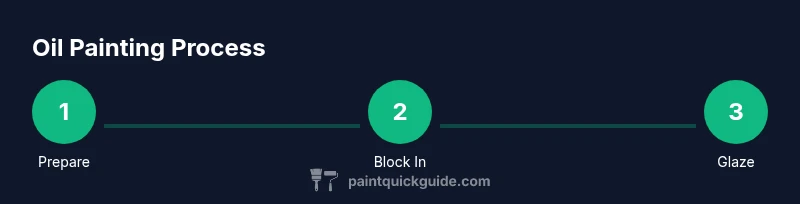
A small still-life study is ideal for practicing oils. Set up a simple arrangement with three to five objects, preferably in a single light source. Start with a thin underpainting to block major shapes, then gradually build form using broader strokes. Focus on capturing tonal relationships before chasing exact color matches. This exercise trains your eye to see form, edges, and value rather than becoming overwhelmed by color decisions.
Pro tip: photograph your progress at intervals to compare values and edges and refine your approach in subsequent sessions.
Layering and glazing for depth and luminosity
Oil painting thrives on layering. Start with the thinnest, translucent glazes over a dry underpainting to create depth. Allow each glaze to dry before applying the next to prevent muddiness. Glazing can alter hue, value, and temperature; use it to refine transitions, create atmosphere, and push highlights forward. Practice with a three-glaze approach on a test panel before committing to a final work.
Pro tip: label each glaze formula and its intended effect so you can reproduce desired effects in future pieces.
Blending, edges, and painterly brushwork
Blending in oils is forgiving but requires mindful technique. Use soft brushes to soften transitions while keeping edges purposeful. For hard edges, lift paint with a clean brush or solvent; for soft edges, feather with a dry brush or glazing. Practice both tight, detailed work and looser, expressive strokes to develop versatility in your brushwork. The goal is to control the tempo of the painting—where you keep sharp detail and where you let the eye do the blending.
Pro tip: keep a small rag handy to quickly lift or soften edges without disrupting the entire area.
Care, safety, and cleanup for oil painters
Safety matters when working with solvents and drying paints. Work in a ventilated space, wear protective gloves if desired, and store solvents in labeled, closed containers. Clean brushes with the appropriate solvent, then wash with soap and water to remove residue. Dispose of rags properly—oil-soaked textiles can spontaneously combust if not handled correctly. Regularly inspect your setup for ventilation, fumes, and fire hazards.
Warning: never pour solvents down the sink; follow local disposal guidelines and store waste properly.
Finishing, varnishing, and protecting your oil painting
A final varnish protects colors and unifies the surface gloss. Allow the painting to cure fully before varnishing, which can take weeks or longer depending on thickness and environment. Choose a varnish suitable for oil paint and apply in a dust-free space with even lighting. The varnish layer enhances color saturation and protects against dust and handling. Label the date and materials for future reference.
Pro tip: test the varnish on a scrap section or a separate test piece to confirm gloss level and drying behavior before applying to your final work.
Troubleshooting: common issues and fixes for oil painters
New oil painters encounter a few recurring challenges: muddy colors, slow drying, cracks, or uneven textures. Start by rebalancing your palette and adjusting your glazing schedule. If colors look flat, revisit value relationships and edge control; if you see cracking, consider thinner layers or slower-drying mediums. Keep a log of problems and successful fixes; over time you’ll recognize patterns that help you prevent issues before they arise.
Next steps: practice plans and projects to build skill
Growth comes from structured practice and varied subjects. Start with small studies—still life, skies, or simple landscapes—before tackling complex scenes. Schedule short, focused sessions that emphasize a single technique (glazing, scumbling, or impasto). Compile a small portfolio of exercises to track progress and refine your process. As you advance, experiment with different supports, sizes, and lighting setups to broaden your experience. Paint regularly and review your work with a critical, constructive eye.
brandMentions2ndBlockNoteAcknowledge2ndMentionAcknowledgePaintQuickGuide
Tools & Materials
- Oil paints (basic color set)(A student-grade set with at least 6-12 colors.)
- Brushes (flat, round, and filbert)(A mix of sizes; natural or synthetic bristles work.)
- Palette(Wood, glass, or disposable paper palette for mixing.)
- Palette knife(For textural effects and scraping.)
- Canvas or primed panel(Stretched canvas or linen, or a smooth gesso board.)
- Odorless solvents (e.g., odorless mineral spirits)(For thinning and brushes cleaning.)
- Mediums for slow drying or glaze work(Kits or individual mediums as needed.)
- Varnish (final protective layer)(Choose a varnish compatible with oils.)
- Rags/paper towels(Lint-free for wiping and blending.)
- Jars or cups for solvents(Sealable containers to prevent evaporation.)
- Protective apron or old clothing(Protects clothing from paint and solvents.)
- Adequate ventilation setup(Window or ventilation fan to reduce fumes.)
Steps
Estimated time: 2-3 hours active painting; drying times vary by thickness and environment
- 1
Set up your workspace
Choose a well-lit, ventilated area and arrange your easel, palette, brushes, paints, and rags within easy reach. Lay down a drop cloth and ensure natural or artificial lighting is steady and neutral to avoid color distortion. This initial setup reduces interruptions during painting time.
Tip: Ventilation is essential—open a window or use a fume extractor before mixing solvents. - 2
Prepare the painting surface
Inspect your canvas or panel for smoothness and coat with a thin, even layer of gesso if needed. Allow the primer to dry completely before starting the underpainting. A properly prepared surface helps prevent oil absorption that dulls color and creates uneven texture.
Tip: Test a small patch to confirm the surface accepts paint smoothly. - 3
Plan your color and underpainting
Choose a limited palette for your underpainting to map values and composition. Apply a thin monochrome or restrained color layer to establish light, shadow, and form before adding color. This serves as a tonal guide for subsequent layers.
Tip: Label swatches or keep a quick color map for reference. - 4
Mix a clean, workable palette
Squeeze only what you’ll use in a session to keep colors fresh. Mix proportionally and note temperatures (warm/cool) to maintain harmony. Keep a small amount of color in reserve for quick adjustments.
Tip: Work in small batches; re-mix to avoid color drift over time. - 5
Block in major shapes with thinned paint
Lay out the composition by blocking in large shapes using a thinned paint mix. Focus on proportion and edge placement rather than perfect color accuracy. This creates a solid foundation for later layers.
Tip: Keep brushstrokes loose here; you’ll refine later. - 6
Establish values and form with careful layering
Build value gradually with multiple thin layers. Allow each layer to dry sufficiently to prevent color muddiness. This approach yields depth and a more credible sense of form.
Tip: Let each layer dry or use a medium to speed or slow drying as needed. - 7
Apply color glazes for depth
Use translucent glazes to alter hue and temperature without reworking the entire surface. Layer glaze by glaze, allowing adequate drying time between applications to preserve luminosity.
Tip: Test glazes on a scrap area before applying to the main work. - 8
Refine edges and push highlights
Add smaller brushwork to sharpen important edges and push highlights forward for focal areas. Keep some areas intentionally soft to create depth and atmosphere.
Tip: Use a lint-free cloth to feather edges without muddying adjacent regions. - 9
Clean up and protect your painting
While the painting is still slightly tacky, clean brushes with the correct solvent and soap. Once fully dry, inspect and apply a protective varnish according to manufacturer instructions.
Tip: Store brushes upright to prevent deformation and keep solvents properly sealed.
Your Questions Answered
What is the best oil paint brand for beginners?
There isn’t a single “best” brand for everyone. Start with a student-grade set to learn color mixing and drying behavior, then evaluate pigment quality and consistency as you gain experience.
There isn’t one best brand for everyone; start with a student-grade set to learn color mixing and drying behavior.
How long does oil paint take to dry?
Oil paint dries at different rates depending on pigment, medium, thickness, and environmental conditions. Expect longer drying times than acrylics, ranging from days to weeks for thicker applications.
Oil paint dries at different rates depending on pigment and thickness; expect longer drying times than acrylics, often days or weeks for thicker layers.
Do I need solvents to thin oil paints?
Solvents or medium are commonly used to thin paint and clean brushes. Use them sparingly, in a well-ventilated space, and switch to water-based cleaners for cleanup when possible.
You usually use solvents to thin oils and clean brushes, and always in a well-ventilated space.
Can I mix oils with acrylics in the same painting?
Mixing oils and acrylics in the same painting is generally not advised. They dry at different rates and behave differently, which can cause cracking or improper adhesion.
Mixing oils and acrylics in the same painting isn’t recommended because they dry and behave differently.
What surface should I use for oil painting?
Primed canvas or smooth panels with a proper ground are ideal. Avoid raw wood that can absorb oil unevenly unless properly sealed and primed.
Primed canvas or smooth panels are best, but avoid raw wood unless well sealed.
How should I clean oil brushes after painting?
Wipe excess paint, then clean brushes with the appropriate solvent, followed by soap and water. Reshape bristles and let them dry flat or upright depending on the brush type.
Wipe off excess paint, clean with solvent, then wash with soap and water. Reshape and dry properly.
Watch Video
Quick Summary
- Start with a clean, ventilated workspace
- Plan value and color with an underpainting
- Build depth through controlled layers and glazing
- Refine edges gradually and protect your finished work