Primer Oil-Based Paint: A Practical How-To Guide for DIY
Learn to select, apply, and cleanup primer oil-based paint for walls, trim, and metal. This guide covers prep, surface compatibility, drying times, safety, and finishing with a durable topcoat.


What is primer oil based paint and when to use it
Primer oil based paint is a solvent-based primer designed to improve adhesion and create a uniform base on challenging surfaces. This primer oil based paint penetrates and seals, ideal for raw wood, bare metal, drywall, and surfaces with tannins or stains that might bleed through a topcoat. Use it when you need strong bonding, stain-blocking, or when sealing wood knots and resinous surfaces before painting. Oil-based primers typically dry slower and emit stronger odors, requiring good ventilation and proper cleanup with mineral spirits. In older homes with lead paint, test for lead and follow safety guidelines; if lead is present, use products labeled for lead-bearing surfaces and treat the project as a lead-safe job. Two common types are alkyd-based primers and shellac-based primers; shellac offers excellent stain blocking on wood knots but requires alcohol- or solvent-based cleanup. Choose the primer that best fits your surface, odor tolerance, and topcoat compatibility.
Surface prep and compatibility
To ensure a durable, even finish, prep starts with cleaning and inspecting the surface. Remove dirt, oils, and wax by washing with a mild detergent or degreaser, then rinse and dry. Sand glossy surfaces to create tooth, but avoid over-sanding on delicate finishes. For patched drywall or damaged wood, repair and sand flush before priming. Oil-based primers adhere best to surfaces that are clean, dry, and slightly rough. They also seal knots and tannins effectively, reducing bleed-through. If you are painting over latex or water-based finishes, you may need to abrade the surface lightly and use a compatible bonding primer. If lead paint is suspected, use a lead-safe approach and follow local regulations. By choosing the right primer oil based paint and preparing carefully, you improve topcoat adhesion and color uniformity.
Shellac vs alkyd oil-based primers
Shellac primers block most stains and odors and cure fast on many surfaces, but cleanup requires denatured alcohol or specialized solvents. Alkyd primers are durable, versatile, and compatible with most topcoats, but they take longer to dry and have stronger odors. Shellac primers are excellent on knotty woods and resin-rich surfaces, while alkyd primers work well on metals and common interior walls. For paint-over-paint projects, shellac is a good choice when stain bleed or tannins risk exists, otherwise alkyd offers robust adhesion with easier cleanup and lower price over time.
How to choose the right primer for different surfaces
Wood: For bare or stained wood, use a stain-blocking alkyd or shellac-based primer to prevent tannin transfer and knots from showing through. Drywall and plaster: Choose a high-adhesion alkyd primer to improve topcoat grip. Metal: Use an oil-based primer designed for metal surfaces to prevent rust and ensure bonding. Previously painted surfaces: If switching from dark to light or from glossy to matte, a bonding primer helps you avoid multiple coats. For best results, read product labels for compatibility with your topcoat and test small areas first.
Step-by-step guidance overview
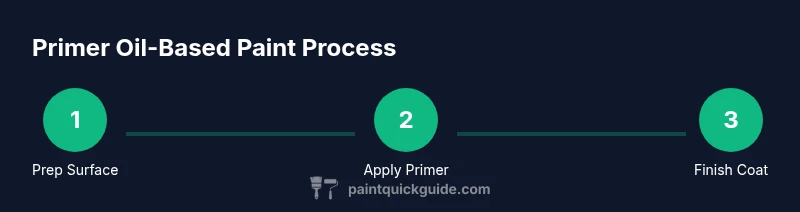
This section provides a high-level overview of the process. Prep, apply, and finish comprehensively by following the detailed step-by-step instructions in the next section. Remember to ventilate, wear PPE, and store products safely when not in use.
Drying times, ventilation, and safety
Oil-based primers take longer to cure than latex primers, with odor levels that can be strong in occupied spaces. Ensure good ventilation by opening windows and using a fan or respirator. Allow ample drying time between coats as specified on the product label, and never rush the curing process to avoid trap bleed and cracking. If you are sensitive to solvents or working in a small space, consider using a low-odor solvent and permit longer cure times.
Cleanup and safety considerations
After finishing, clean brushes and tools with the recommended solvent such as mineral spirits, and dispose of rags safely to prevent spontaneous combustion. Store unfinished primer upright in a sealed container and label clearly. Wear PPE during cleanup and avoid skin contact or inhalation.
Troubleshooting common issues
If you notice uneven sheen or brush marks, lightly sand after the first coat once dry, then recoat. If the finish looks milky, it may be moisture or improper thinning. Stains or tannins bleeding through topcoat indicate insufficient sealing by the primer. Finally, ensure you are using the correct topcoat compatible with the primer.
Authoritative sources
Authoritative resources for further reading include safety and application guidelines from recognized sources. For up-to-date safety standards and disposal guidelines, consult the following sources: - https://www.osha.gov/ - https://extension.oregonstate.edu/ - https://extension.illinois.edu/