How to Paint with Oil Pastels: A Practical Guide
Learn how to paint with oil pastels, from selecting materials and preparing your surface to layering, blending, and finishing your artwork with practical tips for beginners and hobbyists.


With oil pastels, you will learn to create vibrant, painterly drawings using soft sticks and gentle blending. This guide shows you how to choose materials, set up a workspace, and apply layering techniques to build depth. You’ll master basics like sketching, color blending, and finishing touches so you can start your own oil pastel artwork confidently.
Getting Started with Oil Pastels
If you’re wondering how to paint with oil pastels, the first thing to know is that these sticks are a hybrid between wax crayons and oil paints. They blend, layer, and shimmer on paper in ways that traditional pencils can't. The key is texture, pigment load, and the way the waxy binder grips the surface. Start by selecting a simple subject and a forgiving support. Choose a textured pastel paper or heavyweight drawing paper so that the pigment catches and builds with each pass.
According to PaintQuickGuide, beginners should start with a modest palette and a textured paper to see the color's true character. This approach helps you observe how colors interact—how warms lift shadows and how cools recede, which is essential for building depth. Remember: oil pastels blend best when pigment sits on the surface rather than being ground into the paper. Apply a light sketch with a graphite pencil to guide placement without pressing into the surface. Have a kneaded eraser handy for soft corrections, and keep a clean cloth or paper towel to keep your fingers from dragging colors unintentionally. With practice, you’ll learn to anticipate how a color will look when it sits next to another.
Materials and Workspace
Gathering the right tools is essential before you begin. Start with a basic set of oil pastels in a range of colors; soft pastels provide creamy blending, while a few harder sticks help with edges. Use textured pastel paper or heavyweight drawing paper as your surface to maximize tooth and pigment grip. Keep your area organized: lay out a palette or mixing tray, a kneaded eraser, a graphite pencil for light sketches, blending tools like cotton swabs or blending stumps, paper towels for blotting, and masking tape to secure edges if needed. A flat, clean workspace prevents pigments from transferring between projects. For beginners, a small desk setup with good lighting reduces eye strain and improves color perception. (Note: Optional items include a spray fixative for finishing and masking tape to create crisp borders.)
Core Techniques: Blending, Layering, and Texture
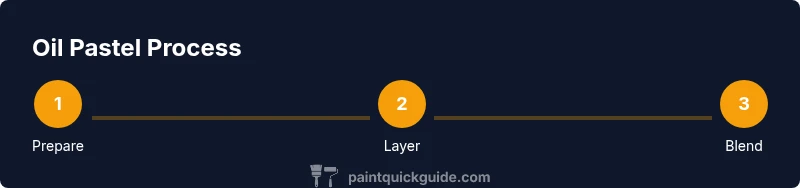
Oil pastels excel at layering and blending to create depth and atmosphere. Start with a light base layer to establish a shape and value. Build up color gradually, applying more pigment in stages rather than trying to cover everything at once. Use blending tools—fingers, cotton buds, or a tortillon—to merge tones softly, and reserve the lightest highlights for the final passes to preserve contrast. Experiment with scumbling, where you apply a light, broken layer of color over a dry area to create texture and a sense of movement. You’ll notice that warmer colors advance while cooler tones recede, so think about temperature shifts when you place objects in a scene. Work from large shapes to small details to maintain coherence, and don’t fear leaving some areas slightly unfinished for a more organic feel.
A Simple Still Life Exercise
Try a small still life to practice layering and blending. Start with a simple object like a fruit or a ceramic cup on textured paper. Sketch the basic shape with a light graphite line. Apply a pale base layer, then gradually layer mid-tones and shadows, using blending tools to soften transitions. Add a few bold accents with a contrasting color to create focal points, and refine edges with a sharper, harder pastel or a sharpened edge of a softer stick. Keep a wet wipe or damp cloth handy to clean tools between colors. This exercise helps you observe how different colors interact and how light affects the perceived color on paper.
Troubleshooting Common Issues
If colors look muddy, check color temperature and value relationships—too many midtones can flatten the piece. Clean burns of color by lifting pigment with a kneaded eraser and re-scratching the surface lightly with a pale pencil to re-establish highlights. If your pastel layers become too thick and crackle, lighten the surface with a gentle brush or cloth to blend only the topmost layer. For crisp edges, use a sharpened pastel or a thin tool to outline shapes before blending nearby areas. When pigments smear unintentionally, rest the hand on a blotter and practice using the non-dominant hand only for dragging movements. Finally, if the piece feels flat, revisit the darkest shadows and the brightest highlights to restore contrast and depth.
Finishing, Preserving, and Displaying Your Art
A final protective layer can help preserve your oil pastel drawing, though it’s optional. If you choose to fix the piece, spray a light, even coat from a distance in a well-ventilated area and allow it to dry completely before handling. Mount or frame your artwork behind glass or acrylic to protect from dust and oils from the air. When displaying, consider mats or spacers to prevent direct contact with the glass. Store completed works flat in a portfolio or between sheets of glassine paper to prevent smudges, and label pieces with the date and subject for easy organization. By preserving your work, you can revisit color choices, refine technique, and build a cohesive body of oil pastel studies over time.
Authority Sources and Further Reading
For authoritative guidance on materials and techniques, explore these sources:
- https://www.moma.org
- https://www.metmuseum.org
- https://www.artic.edu
These institutions offer color theory articles, technique demonstrations, and artist case studies that can deepen your understanding of oil pastel practice and composition.
Tools & Materials
- Soft oil pastels (assorted colors)(Begin with a basic set of 12–24 colors; include light, mid, and dark tones)
- Pastel paper or heavyweight drawing paper(Medium-to-heavy weight with tooth for pigment grip)
- Kneaded eraser(Gently lift color without lifting the paper surface)
- Graphite pencil(Light sketch to guide composition without indenting the surface)
- Blending stumps / tortillons(For smooth transitions and controlled blending)
- Cotton swabs or soft cloth(Alternative blending tool for varied texture)
- Masking tape(Secure paper edges and create clean borders)
- Fixative spray (art-grade)(Optional between layers or as a final protective layer)
- Palette or mixing tray(Organize colors and keep pigment from muddy mixing)
- Paper towels or soft tissues(Blot excess pigment and keep tools clean)
- Soft brush or sponge (optional)(Lightly dust to remove loose particles before blending)
Steps
Estimated time: 45-60 minutes
- 1
Prepare workspace and materials
Clear your table, lay down a protective sheet, and gather all your tools. Arrange colors in a logical order and secure your paper to a flat board. This initial setup reduces mishaps and helps you focus on technique rather than logistics.
Tip: Lay out a small color wheel on your palette to plan color relationships. - 2
Lightly sketch your composition
Use a graphite pencil to draw a simple contour of your subject. Keep lines faint so they don’t compete with pigment, and place key forms where shadows and highlights will guide your color choices.
Tip: Sketch with a soft pressure to avoid indenting the paper; you should barely see the marks. - 3
Apply a light base layer
Sweep a pale layer of color across the major shapes. This establishes values and helps subsequent layers adhere evenly. Don’t press too hard yet; you’re building toward depth, not covering every detail.
Tip: Use a broad, flat edge of pastel for large areas to minimize visible texture early on. - 4
Layer color and build depth
Add midtones and shadows in additional passes. Work from general shapes to finer details, letting each layer dry slightly (if needed) before adding another. This creates more dimension and richer color.
Tip: Leave small gaps for highlights to increase contrast later. - 5
Blend for smooth transitions
Use blending tools to merge adjacent colors, creating soft gradients. Be mindful not to over-blend—retaining some edge lines adds visual interest and structure.
Tip: Blend in the direction of form (curved surfaces) to enhance volume. - 6
Refine edges and add details
Sharpen edges with a pointed pastel or a sharpened edge on a softer stick. Add crisp highlights with a lighter color and deepen shadows in small areas to anchor the composition.
Tip: Use a stencil or masking tape to protect adjacent colors when outlining. - 7
Finish and protection
Optionally apply a light fixative spray from a distance to preserve the surface. Allow the piece to dry completely before handling or framing. Consider mounting behind glass or within a mat to minimize smudging.
Tip: Work in a well-ventilated area when using fixatives.
Your Questions Answered
What are oil pastels and how do they differ from soft pastels?
Oil pastels combine pigment with a waxy/oily binder, allowing rich color and blendable layers on paper. Unlike soft pastels, they don’t dust as much and can be blended directly on the surface.
Oil pastels blend easily on paper and stay vibrant with less dust than soft pastels, making them beginner-friendly.
What surfaces work best for oil pastels?
Textured pastel paper or heavyweight drawing paper with some tooth helps pigment grip and blend smoothly. Smooth paper can still work, but it may require more layers to achieve depth.
Textured paper gives you the grip you need for layers and blends with oil pastels.
How do I blend colors without creating mud?
Blend gradually, use a light hand, and keep colors slightly apart at first. Use a clean blending tool or tissue between color changes to prevent muddy mixing.
Layer colors in stages and wipe your blending tool between hues to avoid muddy results.
Are oil pastels safe for kids?
Yes, many oil pastels are non-toxic and suitable for children when used with supervision. Ensure you use kid-friendly materials and provide good ventilation if using fixatives.
Oil pastels are generally safe for kids with supervision; avoid inhaling any spray fixatives.
Do oil pastels require a fixative?
A fixative is optional. It can help prevent smudging for finished pieces or when layering. Test fixatives on a scrap piece first to ensure it doesn’t alter colors excessively.
Fixatives are optional but can help protect a completed piece.
Can I use water or acrylic techniques with oil pastels?
Oil pastels melt differently than water-based media; you can experiment with solvent-based mediums for texture, but traditional water or acrylic layering will behave differently and may not blend the same way.
Oil pastels don’t mix like watercolors; experiment with gels or mediums designed for pastel work.
Watch Video
Quick Summary
- Plan composition and values first.
- Layer colors gradually to build depth.
- Blend with purpose; keep some edge definition.
- Protect and preserve finished work.