How to Use Oil Paint: A Practical Guide
Learn step-by-step how to use oil paint, from setup and materials to layering, glazing, and finishing. Practical guidance for beginners and DIY painters to create luminous, durable works.


Learn how to use oil paint to create rich, luminous color on canvas or panels. You will prepare your workspace, select paints and mediums, mix colors, and apply multiple layers with patience. Key requirements: good ventilation, safe solvents, and proper brushes/primers. By following these steps, you’ll achieve smooth blends and durable finishes.
Safe setup and workspace for oil painting
Begin with a well-ventilated area dedicated to oil painting. Use a sturdy, washable surface and cover floors with a drop cloth. Keep solvents and paints in closed containers when not in use. Prioritize personal safety: gloves or disposable sleeves, a mask if you’re sensitive to fumes, and good lighting to reduce eye strain. According to PaintQuickGuide, ensure proper ventilation to minimize exposure to solvent vapors, and arrange brushes, palettes, and rags in an orderly way to reduce accidents. Choose a workspace away from children and pets. A dry, climate-controlled environment prevents paint from drying unevenly and protects your support from warp. For home studios, a dedicated corner with a small exhaust fan and a window is ideal. In practice, you’ll want at least a 3-foot by 3-foot clear area for mixing and painting, with a comfortable chair for long sessions. Having a small shelving unit for drying oils and finished layers keeps everything accessible. Finally, organize your tools: separate containers for clean brushes, used rags, and disposal-safe waste. A well-prepared space makes the learning curve smoother and avoids common mess-ups.
Selecting paints, mediums, and supports
Choosing oil paints and pigments is your first artistic decision. Decide between student-grade tubes for practice and artist-grade pigments for longevity and color fidelity. Add mediums to adjust drying time and viscosity; common choices include linseed oil for a smoother glaze and alkyd mediums for faster handling. Supports matter too: primed canvas, linen, or rigid wood panels can suit different techniques. Start with a primed surface and a simple color study to test how your pigments behave under ambient light. The goal is to build a reliable workflow where you can track color accuracy across sessions. Paints should be stored in sealed containers away from heat. As you work, keep a reference swatch sheet to compare your mixed colors with your intended hues. PaintQuickGuide Analysis, 2026 emphasizes the difference between pigment quality and binder choice in achieving stable, vibrant color over time.
Priming surfaces and choosing supports
Priming your surface creates a stable, toothy ground that keeps paint from soaking into the substrate. Use gesso to prepare canvas or panel primers for wood supports. Let each layer dry completely before applying the next, and sand lightly for a uniform surface if needed. Choose a support that matches your intended technique: linen provides strength for thick brushwork, while primed cotton is forgiving for practice. Always test your ground with a small color study to see how it handles under oil paint and to anticipate cracking or warping. Environment matters: avoid damp spaces and protect finished works from rapid temperature changes. A well-primed surface helps you achieve cleaner edges, richer color, and longer-lasting works.
Mediums and solvents: what to mix with oil paint
Solvents like odorless mineral spirits or traditional turpentine thin paint for blocking in shapes and cleaning brushes. Mediums such as linseed oil, stand oil, or alkyd resin can modify open time and gloss. Start with a tiny amount of medium to avoid a greasy finish, then build up layers gradually. Always work in a ventilated area and store solvents securely when not in use. When mixing, label your mixtures and keep a simple palette tray to prevent cross-contamination. Over time you’ll learn which combinations yield smooth blends and what changes in drying time to expect under different temperatures. Safety first: avoid skin contact with solvents and wash hands after each session.
Basic techniques: brushwork and blending
Begin with broad shapes and soft transitions, then refine edges with smaller brushes. Use light pressure and long, even strokes to avoid streaks. Practice blending on a practice panel before moving to a final piece, focusing on consistency of brushwork across the surface. Glazing can deepen tones: apply translucent layers over dry underpaintings to modify color without covering underlying forms. Keep your brushwork decisive but flexible, and remember to wash brushes thoroughly between color families to prevent muddy pigments. Over time you’ll discover your preferred brush shapes and how to control oil flow for smoother finishes.
Color mixing and palette management
A coherent palette reduces mud and helps you achieve harmonious values. Start with a limited set of primaries and neutrals, then add a few local colors that mix reliably with others. Create swatches for each mix to track how pigments interact under your light source. Maintain value relationships by testing tones on a neutral gray or midtone surface. Rehydrate dried paint with a touch of solvent or medium; this prevents waste and keeps your color wheel consistent. A good habit is labeling each mixed color with its intended use (warm highlights, cool shadows, midtones, etc.).
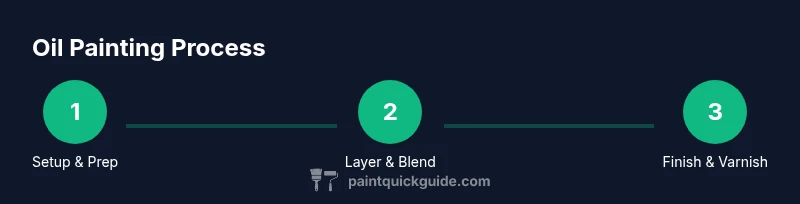
Layering, drying times, and varnishing
Oil paintings develop through layers: a lean underpainting followed by glazes and then thicker surfaces if desired. Allow sufficient drying time between layers to avoid mud and cracking; you can test tackiness with a clean finger. Glazes add depth and atmosphere without sacrificing the underlayers. When the work is fully dry, apply a protective varnish tailored to oil paints and the piece’s finish. In addition to protecting the surface, varnish can unify your color temperature and increase longevity. Remember that oil paint cures slowly, so patience is essential for a durable, vibrant result.
Cleaning up and storage
Wipe excess paint from brushes with a rag, then clean with appropriate solvent or soap and water as required by the brush type. Store brushes flat or in a brush holder to maintain their shape; avoid crushing bristles. Rinse jars and containers, label, and seal tightly to prevent solvent evaporation. Keep your work area tidy by rinsing palettes and disposing of waste solvents in approved containers. Drying times vary by pigment and thickness, so label pieces with dates and expected curing windows. Proper cleanup reduces hazards and makes your next session more efficient.
Common mistakes and troubleshooting
Common issues include muddy colors, uneven drying, and cracking from rapid thickness variations. Mitigate mud by keeping the palette organized and avoiding over-mixing color families. If a glaze lifts, allow the layer to dry completely before reworking. Cracking often results from applying too-thick layers or drastic temperature changes; adjust by thinning with medium rather than solvent and letting layers cure gradually. When in doubt, step back, study value and edge quality, and test adjustments on a small practice piece. The learning curve for oil paint rewards patience and careful practice, not rushed decisions. The PaintQuickGuide team recommends maintaining a consistent schedule, testing materials before starting a major piece, and keeping a record of what works for future projects.
Tools & Materials
- Oil paints (assorted colors)(Choose artist-grade pigments if possible for longevity and lightfastness.)
- Mediums (linseed oil, stand oil, or alkyd medium)(Use small amounts to adjust drying time and viscosity.)
- Solvent (odorless mineral spirits or turpentine)(For thinning and brush cleaning; ensure in a well-ventilated area.)
- Brushes (assorted shapes: flat, round, filbert)(Natural or synthetic bristles; include multiple sizes.)
- Palette and palette knives(Mix colors and scrape to fresh surfaces.)
- Primed supports (canvas, linen, or wood panels)(Pre-primed or primed with gesso.)
- Gesso and sealant(For non-primed or additional priming on supports.)
- Rags/paper towels(For wiping and blotting; keep away from flames.)
- Jars for solvents, water, and brushes(Label clearly and close after use.)
- Drop cloths or plastic sheeting(Protect your workspace from spills.)
- Varnish (final finish)(Select a varnish appropriate for oil paints when fully cured.)
Steps
Estimated time: Total time: 2.5 hours
- 1
Set up your workspace
Clear the area, protect surfaces with drop cloths, and ensure your ventilation is adequate. Arrange paints, brushes, and solvents in reachable positions for efficient workflow. This foundational setup reduces spills and fumes, enabling longer, more comfortable sessions.
Tip: Keep a dedicated, well-lit area and a labeled waste container within arm’s reach. - 2
Prepare your surface
Inspect your ground and prime as needed; ensure the surface is clean, dry, and evenly grained. A properly prepared ground helps paint adhere and reduces cracking later on.
Tip: Lightly sand between layers for a smoother finish if you’re using a rough surface. - 3
Organize your palette
Squeeze essential colors and arrange them on the palette; test mixes on a scrap area. Label cores of your palette for quick reference and consistency across sessions.
Tip: Keep neutral tones at the center for quick balancing. - 4
Block in with lean paint
Apply broad shapes with a thin, fast-drying layer; focus on composition and values rather than detail. Lean applications prevent thick layers that slow drying and can crack.
Tip: Use a midtone mid-range color to establish form first. - 5
Build form with color and value
Add local color and adjust values, blending edges softly for depth. Layer gradually from light to dark, preserving the underpainting’s structure.
Tip: Keep your brushstrokes consistent to avoid muddy transitions. - 6
Introduce glazing for depth
Apply transparent glaze layers to enrich color and unify tonal relationships. Allow each glaze to dry before applying the next for predictable results.
Tip: Use a small amount of solvent or medium to keep glaze fluid. - 7
Refine edges and highlights
Sharpen focal areas by enhancing edges and adding bright highlights. This step creates the illusion of depth and directs viewer attention.
Tip: Work with smaller brushes for precision and avoid over-blending. - 8
Drying and varnishing planning
Plan for drying times between layers and final varnish. Oil paintings cure slowly; be patient and plan your varnish date accordingly.
Tip: Test the surface with a tack-free touch before applying varnish. - 9
Clean up and storage
Wipe brushes, rinse with appropriate solvent, and dry thoroughly. Store brushes in a protective holder and label storage containers for future sessions.
Tip: Dispose of waste solvents according to local regulations.
Your Questions Answered
What is the difference between oil paint and acrylic paint?
Oil paint uses oil as a binder, yielding slow drying times and rich luminosity. Acrylic paint dries quickly and binds with water, offering fast results but less depth. Each medium has distinct handling, layering, and preservation characteristics.
Oil paints dry slowly, offering rich color with extended blending; acrylics dry fast and require different layering strategies.
Do I need to varnish oil paintings?
Varnishing is typically recommended once the painting is fully cured to protect the surface and unify the finish. The timing depends on environmental conditions and the thickness of the layers.
Yes, varnish after the painting has cured to protect and unify the surface.
Is it safe to use oil paint indoors?
Painting indoors is possible with proper ventilation and solvent handling. Always use fumes-conscious solvents, keep the area ventilated, and store materials away from heat sources and open flames.
Yes, with good ventilation and careful handling of solvents.
How long does oil paint take to dry?
Drying time varies by pigment, thickness, and temperature. Expect longer drying times in cool or humid spaces; thinner layers dry faster, while thick layers may remain tacky for days.
Dry times depend on thickness and environment; thin layers dry quicker than thick ones.
What brushes are best for oil painting?
A mix of bristle and synthetic brushes in various shapes (flat, round, filbert) gives flexibility for both broad washes and fine details. Clean brushes thoroughly after use to maintain their shape.
A variety of brushes helps you cover large areas and fine details; clean them well after painting.
Watch Video
Quick Summary
- Set up a ventilated, organized workspace.
- Choose the right pigments and mediums for your goals.
- Work lean to fat through layered applications.
- Use glazing to deepen color and harmonize values.
- Allow thorough drying before varnishing to protect the painting.