Do You Need to Stir Paint? A Practical DIY Guide for Hobbyists
Learn if you need to stir paint, when to stir, and how to do it correctly. This guide covers water-based and oil-based paints, practical tools, safety tips, and common stirring mistakes for DIY projects.


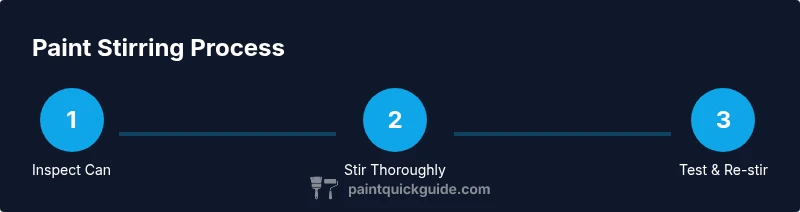
Do you need to stir paint? In most cases, yes. Paints are designed with pigments suspended in a binder, and settling occurs during storage, which can cause color and consistency changes. Stirring re-disperse pigments, re-emulsify binders, and ensure even color and sheen across walls or panels. Always re-stir after long storage or temperature changes.
Why Stir Paint Matters
For any painting project, the question “do you need to stir paint” is more about science than superstition. According to PaintQuickGuide, proper stirring ensures pigment and binder are evenly distributed, which prevents streaks and color variation. When paint sits on the shelf, pigments settle, solvents separate, and the result can be a muddy color or uneven sheen. Stirring re-suspends settled pigments and re-emulsifies separation to restore the manufacturer’s intended finish. This is especially true for latex/acrylic paints, enamel, and oil-based coatings—each uses different binders and pigments that separate over time. By understanding the fundamentals of suspension and viscosity, you can predict how long to mix and what tools to use for best results.
Do You Need to Stir Paint? The Core Answer
Yes — in most cases you should stir paint before use. Paints are formulated with pigments suspended in a binder, and over time pigments settle. Stirring re-suspends pigments and evenly distributes color and gloss. Some modern premixed or “no-stir” products claim convenience, but for accurate color and uniform sheen you should stir before every use, especially after long storage or temperature changes. If you’re unsure, test a small amount on scrap material to confirm even color and texture before applying to a larger surface.
Stirring by Paint Type: Water-Based vs Oil-Based
Water-based paints (latex or acrylic) generally require gentler, longer stirring to re-disperse settled pigments without introducing air. Oil-based enamels and alkyds can be thicker and may benefit from a slower, more thorough mix to re-wrap pigments in the binder. In both cases, start with a clean container or stay within the original can, and avoid introducing contaminants from brushes or dirty tools. For very thick or older paints, a powered mixer attachment can help, but you should still pause to check texture and color after initial mixing to ensure uniformity.
How Air Exposure Affects Sheen and Settling
Air exposure during storage can cause moisture loss or solvent evaporation, altering viscosity and gloss. When you open the can, you may notice a skin or ring around the top; this is a sign of surface drying and pigment settling below. Stirring breaks up this skin and re-homogenizes the mixture, ensuring the sheen remains consistent as you apply. If the paint appears separated into distinct layers, give it a longer initial mix and test a small sample before committing to the full coat.
Stirring Techniques for Consistency
Effective stirring combines control, timing, and the right tool. Begin with a clean stir stick and rotate from the bottom upward to lift settled pigment while avoiding air entrapment. For small cans, a few deliberate strokes may suffice; for larger quantities or thick paints, a drill mixer with a non-splash guard can speed up the job. Avoid shaking the can vigorously, which creates air bubbles and foam that can compromise finish quality. After the initial mix, re-check color by testing a sample surface and adjust the mix if needed.
Common Mistakes and How to Fix Them
Common mistakes include shaking instead of stirring, using dirty tools, stirring too aggressively, or failing to re-stir after pauses. These can cause air bubbles, uneven color, and poor adhesion. If you notice streaks, color shifts, or a lumpy texture, pause, wipe the rim, and perform a thorough re-stir with a clean stick. Always test a small area first and avoid applying the next coat until the surface is smooth and uniform.
Tools and Materials for Stirring Paint
Having the right tools makes stirring safer and more effective. Essential items include a paint can opener to break the seal without splashing, a clean wooden stir stick or metal rod (12–18 inches for standard cans), and a paint mixer attachment for thick or large volumes (optional). Also gather a clean measuring cup or small container for color checks, rags for cleanup, and protective gloves or eyewear if you’re sensitive to fumes. Ventilate the workspace, especially with solvent-based paints.
Safety and Cleanup Considerations
Stirring is generally safe, but it’s important to maintain good ventilation and avoid inhaling fumes from solvent-based paints. Wear protective gloves if you have sensitive skin or use eyes protection to guard against splashes. Clean up spills immediately with a rag, and dispose of rags per local regulations to prevent spontaneous combustion from oil-based paints. Store paints upright with lids tightly sealed to minimize future separation and maintain long-term quality.
Testing and Color Matching: From Stir to Final Coat
A consistent stir should yield uniform color and sheen across the test sample. After mixing, apply a thin layer to a wall or scrap panel and compare to the sample on the can label. If the color appears lighter or darker than expected, re-stir and retest, because minor settling can create significant perceptual differences under lighting. Keep a record of your stirring time and any adjustments for future projects to improve repeatability across rooms or vehicles.
Tools & Materials
- Paint can opener(To pry loose the lid without splashing or gouging the edge)
- Stir stick or dowel(12–18 inches; keep it clean between uses)
- Paint mixer attachment (drill)(Use for thick paints or large volumes; follow drill manufacturer safety guidelines)
- Clean mixing cup or small containers(For testing color and consistency before coating large areas)
- Rags/paper towels(For wipe-ups and clean can rims)
- Ventilation(Work in a well-lit, well-ventilated area; use a mask if fumes are strong)
Steps
Estimated time: 30-60 minutes
- 1
Prepare your workspace and materials
Clear the area, lay down drop cloths, and assemble all required tools within easy reach. Check the can label for environmental and safety notes before you begin. This setup reduces spills and keeps the project smooth from start to finish.
Tip: Have a cleanup plan ready before you start to avoid delays if spills occur. - 2
Open the can without splashing
Use the paint can opener to carefully pry the lid. If you see a skin or dried film around the rim, wipe it away with a rag before you begin stirring. This prevents contaminants from entering the can and ensures a cleaner mix.
Tip: Keep the lid slightly ajar during the initial stir to vent pressure if needed. - 3
Inspect for separation or skin
Look for sediment at the bottom or a film on the surface. Separation is normal over time, especially after storage in varying temperatures. A quick inspection guides how long you’ll need to stir.
Tip: If you see lumps, scrape them gently back into suspension with the stir stick. - 4
Stir from bottom to top
Begin with slow, steady motions at the bottom of the can and work upward, gradually mixing the entire volume. For thick paints, take longer initial strokes to pull settled pigments back into suspension.
Tip: Avoid fast, erratic movements that trap air and create bubbles. - 5
Test a small sample
Pour a small amount into a clean cup to evaluate color and consistency. Compare to the color swatch on the can. If you detect color drift, continue stirring until uniform.
Tip: If the test looks off, keep mixing and retest until you’re satisfied. - 6
Re-check and re-stir if needed
For large cans or thick colors, a second, longer stir may be necessary. Re-check the sample after more mixing to ensure evenness across the entire batch.
Tip: Some paints benefit from a brief rest and a final pass to settle pigment evenly. - 7
Close and store properly
Recap with a final stir, then wipe the rim and securely re-tighten the lid. Store upright in a cool, dry place away from direct sunlight to minimize future separation.
Tip: Label the can with date and stir time for future projects. - 8
Clean up and plan next use
Dispose of rags per local regulations and clean tools promptly to prevent paint drying on surfaces. Note any adjustments for future refinishing projects.
Tip: Keep a log of your stirring routine for consistent results across seasons.
Your Questions Answered
Do you always need to stir paint before using it?
In most cases, yes. Stirring re-suspends settled pigments and re-emulsifies binders for a uniform finish. Some products are designed to minimize stirring, but for best color accuracy and sheen, start with a thorough stir.
Yes, you should usually stir before using paint to ensure an even color and finish.
What happens if you don’t stir paint before applying it?
Skipping stirring can leave color uneven, cause streaks, and result in a patchy finish. Settled pigments may not bind properly, leading to gloss variation and adhesion issues.
Skipping stirring can cause color streaks and uneven finish.
How long should you stir latex paint to achieve uniformity?
Stir latex paint for at least 1–2 minutes on initial mix, then test a sample. If separation remains visible, continue stirring until pigments are evenly dispersed.
About 1–2 minutes on initial mix, then test and re-stir if needed.
Can shaking a can replace stirring?
Shaking can introduce air bubbles and create foam that ruins the finish. Stirring slowly from bottom to top is the preferred method for most paints.
Shaking isn’t a good substitute for stirring; stir slowly to avoid air bubbles.
Is stirring different for oil-based paints?
Oil-based paints are thicker and may require longer, steadier mixing and occasionally a drill mixer. Always recheck texture and color with a test patch.
Oil-based paints may need a steadier, longer mix and testing before coating.
Watch Video
Quick Summary
- Inspect paint for separation before stirring
- Stir from bottom to top to re-disperse pigments
- Test color with a small sample before coating
- Re-stir before each coat or after long pauses
- Store cans tightly sealed to maintain consistency