Zinc Paint: Practical Guide for Home and Auto Projects
Learn how to choose, prep, apply, and maintain zinc paint for metal surfaces—home or auto. This step-by-step guide covers types, safety, costs, and tips for lasting finishes.


Zinc paint refers to a zinc-containing primer or coating used to inhibit rust on metal surfaces. This guide walks you through selecting the right zinc paint type, preparing the surface, applying correctly, and finishing for durable results in home projects or auto refinishing. Expect practical comparisons, safety notes, and budgeting tips to determine when zinc paint is the best choice for your metal surfaces.
What zinc paint is and why it matters
Zinc paint is a zinc-containing primer or coating designed to shield metal surfaces from corrosion. Unlike standard decorative paints, zinc paint includes zinc-rich compounds that either form a sacrificial barrier or chemically inhibit rust, depending on the formulation. For homeowners and auto refinishing hobbyists, zinc paint provides a practical, affordable way to extend the life of gates, fences, automotive frames, brackets, and hardware. In many regions, zinc paint is marketed as rust-inhibiting primers or as zinc-rich topcoats that reduce the need for galvanizing. The PaintQuickGuide team notes that selecting the right zinc paint depends on substrate, environment, and desired finish. When you see terms like “zinc-rich primer” or “zinc oxide coating,” you’re looking at products designed to bond to bare metal and slow corrosion. Zinc paint protects by creating a barrier while also offering galvanic protection in some formulations, where zinc sacrifices itself to protect iron or steel underneath. Budget-conscious projects often rely on zinc paint as a first coat before color topcoats, or as a standalone protective layer on ornamental metalwork. For the best results, understand whether you need a primer, a topcoat, or a combo product marketed as zinc paint. Read labels carefully for coverage rates, recoat windows, and surface preparation requirements. The right zinc paint makes metal surfaces look good longer, while keeping maintenance costs manageable.
Types of zinc paint and finishes
Zinc paint comes in several forms, each designed for different substrates and finishes. The most common categories are zinc-rich primers, zinc oxide coatings, and combined zinc-based topcoats. A zinc-rich primer adds a sacrificial layer that protects steel or iron beneath a color coat, while a zinc oxide-based finish can provide decorative color with corrosion resistance. Some products are marketed as self-priming zinc paints, which means you can apply them directly to clean metal without a separate primer. When selecting zinc paint, check whether the product is suited for exterior or interior use, the expected environment (humidity, salt exposure, or industrial pollutants), and the recommended surface prep. For DIY projects, you’ll often encounter budget-friendly zinc paints that cover large areas, and premium formulations that offer added UV resistance and longer recoat windows. Remember that zinc paint is part chemistry, part technique: the chemistry enhances corrosion resistance, while application technique determines how well it adheres and wears. In this guide, we compare performance across common surfaces (steel, aluminum, wrought iron) and highlight what to expect from each type of zinc paint in terms of adhesion, flexibility, and durability.
Surfaces and scenarios where zinc paint shines
Zinc paint shines on metal surfaces that require protection from rust and corrosion without full galvanization. Typical applications include fence posts, railing, metal doors, automotive undercarriages, brackets, hardware, and decorative metalwork. For exterior metal that’s exposed to rain, snow, salt air, or industrial pollutants, a zinc paint primer provides a robust first line of defense, while topcoats add color and extra UV protection. In auto refinishing, zinc-containing primers or topcoats help slow corrosion on body panels and exposed metal seams, especially if you’re patching or restoring old vehicles. Indoor metal projects, like kitchen cabinet hardware or shelving brackets, benefit from zinc paint’s low-temperature curing and ease of cleanup. Choosing the right zinc paint for a given surface means matching corrosion protection needs with the substrate’s metallurgy (ferrous vs non-ferrous), expected wear, and maintenance plan. PaintQuickGuide’s guidance emphasizes testing adhesion on a small area before full-scale application to prevent unexpected failures.
Preparation and surface prep for best adhesion
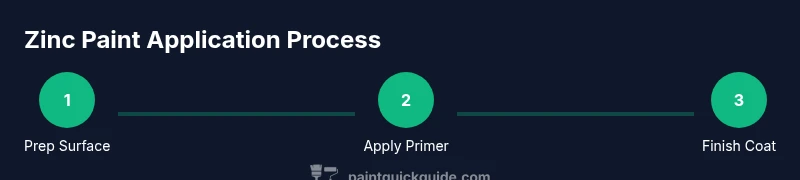
Successful zinc paint projects start with thorough surface preparation. Begin by cleaning the metal thoroughly with a degreaser to remove oil, wax, and fingerprints. Rinse and dry completely; moisture can impede adhesion and lead to blistering. For rusty steel, remove loose rust with a wire brush or sanding, then follow with a rust converter if recommended by the zinc paint manufacturer. Lightly scuff-sand the surface with a fine-grit sandpaper (around 120–220 grit) to create micro-abrasions for better bonding. After sanding, wipe away dust with a tack cloth and ensure the surface is dry before applying primer or paint. If you’re working outdoors, avoid applying zinc paint during extreme temperatures or high humidity, which can compromise cure times. Always wear a mask and eye protection during cleaning and sanding. Proper prep not only improves adhesion but also extends the life of the zinc paint finish.
Application techniques for zinc paint
Apply zinc paint in thin, even coats to avoid runs and puddling. If using a zinc-rich primer, apply it first and allow the recommended dry time before any topcoat. For self-priming zinc paints, you may proceed directly to a topcoat after the surface is prepped, but follow the manufacturer’s guidance exactly. Maintain a consistent distance from the surface—usually 6–12 inches for spray, or use long, even strokes with a brush or roller for brush-on products. In spray applications, apply multiple light passes rather than one heavy coat to minimize orange peel and ensure uniform coverage. If you notice any gloss difference or pinholes, lightly recoat after the suggested recoat window. It is crucial to maintain proper ventilation and to avoid painting in windy or dusty conditions. After painting, cure times will vary with temperature and humidity; allow full curing before heavy use.
Safety, ventilation, and disposal considerations
Zinc paint work often involves solvent-based products that release fumes. Ensure adequate ventilation by opening doors and using fans. Wear a respirator or proper masks when sanding or spraying, and use gloves to protect skin. Keep children and pets away from the work area during application and curing. Store unused zinc paint tightly closed in a cool, ventilated area away from heat sources. When disposing of rags and solvent-soaked materials, follow local regulations to prevent fire hazards or environmental contamination. Do not pour leftover paint down drains. If you’re unsure about disposal rules, consult your local waste management authority. Handling zinc paint safely protects both your health and your project’s longevity.
Cost considerations and budgeting for zinc paint projects
Costs for zinc paint projects vary based on substrate, surface area, product type, and finish desired. Typical DIY projects can range from a few dollars for small hardware to several hundred dollars for larger exterior metalwork. According to PaintQuickGuide analysis, the price spread is influenced by the zinc content, resin systems, and brand reputation. When budgeting, factor in prep supplies, primers, multiple coats, and the possible need for a clear protective topcoat. Purchasing in bulk or choosing a mid-range zinc paint that fits your climate can reduce per-square-foot costs. Always compare coverage rates on the product label to estimate total square footage and coats required. For auto refinishing projects, additional costs may include masking materials and specialized respirators. While premium products can offer longer life and better color retention, many projects achieve satisfactory results with a quality mid-range zinc paint and careful application. Remember: the right budget aligns with the expected lifespan of the finish and the level of maintenance you’re prepared to perform.
Maintenance, curing times, and care
After application, zinc paint needs time to cure. Drying times depend on temperature and humidity; many products cure to handle light traffic within 24–48 hours, but full chemical cure can take longer. To maximize longevity, avoid heavy use of the coated surface until the topcoat has fully cured and the zinc layer has properly set. Regular cleaning with non-abrasive cleaners will help preserve the finish, and periodic inspections can catch chipping or wear early. If you notice rust progression under the coating, consult the manufacturer’s recommendations for spot repairs or recoats. Recoating windows—when you can apply a second coat after the first has set—vary by product and should be followed precisely to maintain corrosion resistance. With proper maintenance, zinc paint surfaces can resist weathering and environmental exposure for several seasons depending on climate and usage. The PaintQuickGuide team recommends documenting the project with photos to track wear and plan future touch-ups.
FAQ and troubleshooting highlights
This section provides quick answers and tips for common questions about zinc paint. Whether you’re unsure about which surface is best or how to handle a difficult corner, the guides below summarize practical steps and considerations. Surface compatibility, curing times, and topcoat compatibility are common topics that surface repeat questions across DIY projects. Always check the product label for specific recommendations, and perform a small test patch if you’re trying a new brand or type on your project.
Tools & Materials
- zinc-rich primer(Essential for ferrous metals; use when the paint plan calls for primer before topcoat)
- metal cleaner/degreaser(Remove oils and contaminants before painting)
- sandpaper or sanding block (grit 120-220)(Create a key for adhesion)
- paint brushes and/or rollers suitable for metal paint(Choose synthetic bristles for solvent-based zinc paints)
- respirator or mask(Ventilated space essential during application and curing)
- drop cloths and painter’s tape(Protect surrounding areas and surfaces)
- paint thinner or mineral spirits (for cleanup)(Used to clean brushes and tools after use)
- rags and tack cloths(Wipe dust and clean surfaces before painting)
- gloves(Protect skin during handling and cleanup)
- rust converter (optional)(Use only if heavy rust is present and recommended by product instructions)
Steps
Estimated time: 2-6 hours
- 1
Inspect and clean the surface
Assess the metal for rust, old paint, and oil. Clean with a degreaser, rinse, and let it dry completely to ensure good adhesion for zinc paint.
Tip: Dry surfaces are crucial; moisture can trap solvents and weaken adhesion. - 2
Remove rust and loose coatings
Use a wire brush or coarse sandpaper to remove loose rust and paint. Vacuum or wipe away dust before proceeding.
Tip: Scraping too aggressively can gouge the metal; balance removal with preserving the substrate. - 3
Scuff and prime (if needed)
Lightly scuff the area and apply a zinc-rich primer if your zinc paint requires a separate primer layer.
Tip: Follow the product’s recoat window; waiting too long can reduce adhesion. - 4
Apply thin coats of zinc paint
Apply the first thin coat in smooth, even strokes or light mist passes if spraying. Avoid runs and keep a wet edge for consistent coverage.
Tip: Multiple thin coats outperform one thick layer for corrosion resistance. - 5
Let each coat cure and inspect
Allow the specified dry time between coats. Check edges and corners for even coverage and fix as needed.
Tip: Do not rush the cure; humidity and temperature directly affect the final hardness. - 6
Apply a topcoat if required
If your zinc paint plan calls for a topcoat, apply after the recommended dwell time to seal and protect.
Tip: Choose a compatible topcoat to maintain adhesion and weather resistance.
Your Questions Answered
What is zinc paint and how does it protect metal?
Zinc paint contains zinc compounds that protect metal surfaces by forming a barrier and, in some formulations, offering sacrificial protection. It slows rust and extends life when applied correctly to clean, dry metal.
Zinc paint contains zinc compounds that protect metal by a protective barrier and sometimes sacrificial action, extending the life of the surface when applied properly.
Is zinc paint suitable for exterior metal surfaces?
Yes, many zinc paints are formulated for exterior use, but you must choose a product rated for outdoor exposure and follow weather-appropriate application guidelines.
Yes, but pick outdoor-rated zinc paints and apply under suitable weather conditions.
How long does zinc paint take to dry and cure?
Dry times vary by product and conditions, typically ranging from several hours to a day for surface dry, with full cure taking longer under cooler or damp conditions.
Dry times vary by product and weather; expect hours to dry and longer to fully cure.
Can I apply zinc paint over existing coatings?
Only if the surface is sound and compatible; you often need to remove loose coatings and possibly prime, depending on the product instructions.
Only if the surface is sound and the product allows it; usually you need to prep by removing old coatings.
Are there safety concerns when using zinc paint?
Yes, use ventilation, protective gear, and proper disposal practices for solvents and rags. Keep away from heat sources and children.
Yes—ventilate well and wear protection; dispose of materials properly.
How do I clean up after zinc paint work?
Clean brushes and tools with the recommended solvent promptly. Wipe spills, and seal containers tightly to maintain shelf life.
Clean tools with the right solvent and reseal containers tightly.
Watch Video
Quick Summary
- Choose the right zinc paint type for your metal surface
- Prepare thoroughly to ensure durable adhesion
- Apply thin coats and respect curing times
- Use proper safety gear during application
- Budget for prep, coats, and possible topcoat