What Paint for Zinc: Best Primers and Topcoats
Learn the best primers and topcoats for zinc, plus prep steps and application tips for durable, rust-resistant finishes on galvanized metal for homes and shops.


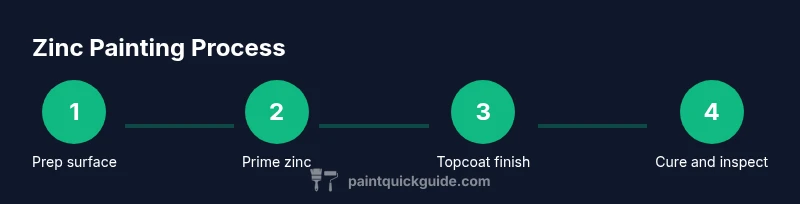
You can paint zinc surfaces effectively by selecting a zinc-compatible primer and a topcoat designed for metal, such as enamel or acrylic latex. Start with cleaning and abrading, apply a metal-bonding primer, and finish with a durable topcoat. This guide explains the best paint types for zinc, prep steps, and common pitfalls.
Why zinc surfaces resist paint and how to overcome
Zinc is a tricky substrate for painting. It forms a natural oxide quickly, and its low surface roughness can hinder adhesion. To get a durable finish, you must respect the metal’s chemistry and prep rigor. According to PaintQuickGuide, the first step in any zinc painting project is thorough surface preparation and choosing the right primer for zinc. The PaintQuickGuide team found that bonding primers formulated for metal dramatically improve adhesion on galvanized zinc compared with generic primers. Start by cleaning to remove oil, dirt, and wax, then mechanically abrade the surface so the primer can grip. If you skip abrasion, you risk peeling and accelerated wear in moisture-prone areas. Outdoor zinc items need extra attention to water runoff and rust-prone edges. A properly prepped surface ensures the topcoat can perform as designed, resisting moisture, abrasion, and UV exposure. Throughout the process, keep the climate mild and avoid painting on extreme temperatures for best results.
A well-prepped zinc surface also benefits from a dedicated bonding strategy. If you’re painting metal that’s been galvanized or otherwise treated, you may encounter waxy residues that repel coatings. In such cases, a light chemical prep or etch primer can help. The goal is to create a micro-roughness that provides mechanical keys for the primer. This phase is where most beginners encounter adhesion failures, especially if the surface has been exposed to oil, silicone, or waxy residues. Follow local climate guidelines; humidity and temperature influence drying times and final cure.
Paint types that bond to zinc
Zinc accepts specific primers and topcoats that are formulated for metal surfaces. The two broad categories to focus on are primers and topcoats. For primers, look for zinc-phosphate or metal-bonding primers that chemically bond with zinc and provide a stable base for the topcoat. Epoxy primers can also offer strong adhesion and corrosion resistance in tough environments. When choosing a topcoat, select products labeled for metal or galvanized surfaces. Enamel and acrylic-latex topcoats are common choices that balance durability, flexibility, and ease of application. For exterior projects, prioritize UV resistance and moisture tolerance. For interior pieces, a durable enamel or polyurethane topcoat can provide excellent wear resistance with easier cleanup. Remember, the primer is the foundation; pairing a compatible primer with a suitable topcoat yields the longest-lasting finish on zinc.
- Primers: zinc phosphate primer, epoxy primer, metal-bonding primer, self-etching primer.
- Topcoats: enamel, acrylic latex, polyurethane enamel, epoxy topcoats.
Surface preparation steps for zinc
Surface prep is the backbone of a durable zinc paint job. Begin with a thorough cleaning to remove oils, waxes, and dirt using a mild detergent solution or degreaser. Rinse and dry completely. Mechanically abrade the surface with 80–120 grit sandpaper or a wire brush to create micro-scratches that the primer can grip. Wipe away dust with a tack cloth and inspect for remaining contaminants. If any oxidation or pitting remains, address these areas with careful sanding or a rust remover suitable for zinc. Ensure the surface is dry before applying primer. Avoid applying coatings to damp or humid surfaces, which can trap moisture and lead to adhesion failures. Finally, mask surrounding areas to protect from overspray and debris.
Primer options for zinc
Selecting the right primer is crucial for zinc. Zinc phosphate primers promote strong adhesion and corrosion resistance on galvanized metal. Metal-bonding primers are formulated to adhere to smooth zinc surfaces and provide a robust base for the topcoat. For DIY projects, a self-etching or conversion-primer may simplify preparation by combining cleaning and priming actions. Always check the recoat window on the primer label and avoid applying topcoat too early or after excessive delay, which can reduce adhesion. If you have outdoor exposure, opt for primers with superior moisture and UV resistance. Compatibility with your chosen topcoat is essential; mismatched primers and topcoats can lead to peeling or color inconsistency.
Topcoat options for zinc surfaces
Topcoat selection depends on environment and desired finish. Enamel and acrylic-latex topcoats provide good durability and ease of application for many zinc projects. Oil-based enamels can offer gloss retention and high hardness but may require longer cure times and stronger ventilation. For metallic finishes or high-traffic areas, polyurethane-based topcoats or epoxy coatings can deliver superior abrasion resistance and chemical resistance. In outdoor settings, choose topcoats with UV stabilizers and corrosion inhibitors. Always ensure the topcoat is formulated for metal or galvanized substrates and compatible with the primer used. For best results, apply thin, even coats and avoid pooling or runs.
Application workflow and best practices
With primers and topcoats selected, follow a disciplined application workflow. Begin with a tack-free surface after drying time per product label. Apply the primer in thin, even coats, allowing full curing between layers. Sand lightly between coats if the label allows, and remove dust with a tack cloth. When applying the topcoat, maintain a consistent distance and speed to prevent lap marks. Apply at least two coats for outdoor or high-wear zones; interior applications may require two coats as well for even color and protection. Temperature and humidity influence drying times; plan applications for mild, dry days. Finally, let the finish cure fully before handling or exposing it to moisture. The coating’s long life depends on adherence and complete curing.
Real-world scenarios: indoor vs outdoor zinc painting
Indoor zinc elements, such as decorative railings or fixtures, benefit from a durable enamel or acrylic topcoat with a mild sheen that resists fingerprints and cleaning needs. Outdoor zinc items, including railing, garden furniture, or hardware, require primers with robust corrosion resistance and UV stability, plus topcoats that resist weathering and moisture. In high-humidity areas, increase the number of coats and ensure complete drying between steps. For railings and outdoor hardware, consider using a two-coat system (primer and two topcoats) to maximize longevity. Always factor in climate and exposure when choosing products and scheduling painting sessions.
Maintenance, longevity, and recoating guidance
Zinc finishes require periodic inspection and timely recoating to maintain protection. Monitor for signs of wear, peeling, or rust bloom and address promptly. Clean surfaces before recoating to ensure adhesion. Follow recoat windows strictly; attempting a recoat too soon or too late can compromise adhesion. In moist environments or coastal areas, higher maintenance may be necessary. Store leftover materials properly to prevent contamination, and label the remaining coatings with the date opened for future touch-ups.
Common mistakes to avoid
- Skipping surface prep or using the wrong primer for zinc.
- Overlooking recoat windows and applying topcoats too soon or too late.
- Painting in high humidity or extreme temperatures, which slows drying and weakens adhesion.
- Skipping masking and protection, leading to overspray on adjacent surfaces.
- Selecting topcoats not designed for galvanized substrates, causing early failure.
Tools & Materials
- Mild detergent or dish soap(used for initial cleaning)
- Water for rinsing(clear rinse to remove soap residue)
- Degreaser or mineral spirits(for oil/grease removal on stubborn spots)
- Rags or lint-free cloths(for wiping and drying)
- Wire brush / abrasive pad(to remove loose corrosion and create texture)
- Sandpaper (80-120 grit)(to key the surface for primer)
- Tack cloth(to remove fine dust before priming)
- Masking tape(protect adjacent surfaces)
- Drop cloths or plastic sheeting(protect work area)
- Metal-bonding primer or zinc phosphate primer(essential for zinc adhesion)
- Topcoat suitable for metal (enamel or acrylic latex)(choose for indoor/outdoor exposure)
- Paint tray and liners(for even coating application)
- Paintbrushes and/or rollers(select appropriate nap width)
- Respirator or mask and protective gloves(personal safety equipment)
- Mixing sticks(stir coatings thoroughly)
- Soft cloths or solvent-safe wipes(cleanup and light touch-ups)
Steps
Estimated time: Active work 6-12 hours; drying between coats 24-48 hours; total project window 2-3 days depending on climate
- 1
Prepare workspace and safety gear
Set up ventilation, lay down drop cloths, and don a respirator, gloves, and eye protection. Clear the area of pets and children. This reduces exposure to fumes and debris during cleaning and priming.
Tip: Have a timer handy to track drying times between coats. - 2
Clean the zinc surface thoroughly
Wash with mild detergent, rinse thoroughly, and dry. Degrease stubborn residues with mineral spirits if needed. A clean, dry surface is essential for good adhesion.
Tip: Use lint-free cloths and avoid reintroducing oils from your hands. - 3
Remove rust and loose coating
Scrape away peeling areas and use a wire brush to remove corrosion. Target pits and rough surfaces rather than chasing perfect smoothness. Any remaining rust spots can continue to corrode under the coating.
Tip: Don’t gouge the metal; just smooth the edges for the primer to bite. - 4
Roughen the surface for adhesion
Lightly sand the entire area with 80–120 grit paper to create micro-roughness. Wipe away dust with a tack cloth. A roughened surface gives the primer better grip and reduces peeling.
Tip: Keep sanding strokes uniform to prevent high/low spots. - 5
Choose the right primer for zinc
Select a zinc-phosphate primer or a metal-bonding primer compatible with your topcoat. Self-etching primers can simplify prep but verify compatibility with the topcoat.
Tip: Check the primer’s recoat window and plan subsequent steps accordingly. - 6
Apply primer in thin, even coats
Brush or roll with steady, overlap-brushing to avoid runs. Allow each coat to dry per label before applying the next. Apply 1–2 coats for reliable coverage.
Tip: Do not rush; thinning guidelines, if provided, should be followed precisely. - 7
Apply the topcoat after primer cures
Choose a topcoat formulated for metal and outdoor use if applicable. Apply in thin, even coats, with a light tack between coats if the product allows. Two coats are often advisable for outdoor surfaces.
Tip: Maintain consistent distance and speed to avoid lap marks. - 8
Cure, inspect, and plan maintenance
Let the finish cure fully before handling. Inspect for adhesion and uniform color. Plan recoating or touch-ups only after recommended cure times.
Tip: Record dates on your paint can for future maintenance reminders.
Your Questions Answered
Can you paint over galvanized zinc without a primer?
No. Primer is essential on zinc to promote adhesion and corrosion resistance. Without it, the topcoat may peel or fail prematurely.
Primers are essential on zinc to help the paint stick and last. Without a primer, you risk peeling and corrosion.
What is the best primer for zinc?
Zinc phosphate primer or a metal-bonding primer designed for galvanized surfaces is typically recommended for strong adhesion and corrosion resistance.
Zinc phosphate or a metal-bonding primer is usually the best choice for galvanized zinc.
Do I need to etch zinc before painting?
Many primers are self-etching, but light mechanical abrasion and cleaning improve adhesion. Always follow primer instructions for surface prep.
Lightly sand and clean the zinc; let the primer's instructions guide whether a dedicated etch step is needed.
Can I use latex paint on zinc?
Yes, latex paints can be used on zinc when paired with a compatible primer and topcoat designed for metal.
Latex can work on zinc if you choose a compatible primer and topcoat.
How long does zinc paint last outdoors?
Lifespan depends on climate and maintenance. Durability improves with a proper primer/topcoat system and adequate cure time.
Outdoors, the longevity depends on weather; a good primer and topcoat with proper curing lasts longer.
Is it necessary to remove rust before painting zinc?
Yes. Remove rust and loose coating to ensure the new paint adheres properly and provides long-lasting protection.
Yes, scrub away rust and loose coating for better adhesion.
Watch Video
Quick Summary
- Prepare zinc surfaces thoroughly for best adhesion.
- Choose primers designed for zinc or metal bonding.
- Apply topcoats compatible with the primer and substrate.
- Allow proper cure times between coats for durability.
- Inspect and maintain zinc coatings to extend life.