Acrylic Leather Paint: A Practical How-To Guide
Learn how to use acrylic leather paint on genuine and faux leather. Prep, apply, seal, and care for durable, flexible color on furniture, car interiors, and accessories with safe, practical steps.


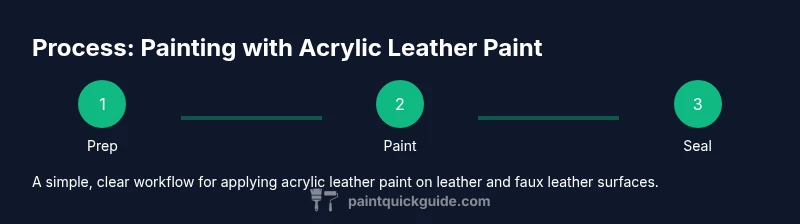
You can successfully paint acrylic leather surfaces by choosing the right paint, preparing the surface, applying thin coats, and sealing with a compatible finish. This guide covers prep, color mixing, application techniques, drying times, and safety tips to help homeowners, DIYers, or auto refinishing hobbyists achieve durable, flexible color on leather, vinyl, or faux leather.
Why acrylic leather paint is a practical choice
Acrylic leather paint offers a flexible, durable color option for genuine leather, faux leather, and vinyl. According to PaintQuickGuide, high-quality water-based acrylics bond well to leather when used on car interiors, furniture, or accessories with proper prep. These paints resist cracking when applied in thin layers and are easier to clean up than solvent-based formulas. For homeowners and hobbyists, acrylic leather paint provides a forgiving learning curve, affordable color refresh, and a broad palette. When choosing a product, look for a brand that lists leather or vinyl compatibility, water-based formulas, and a clear topcoat option. Consistency of color is improved by mixing pigments on a palette and testing patches before committing to an entire project. PaintQuickGuide’s guidance helps ensure you pick a paint that moves with the leather rather than cracking over time.
Understanding paint types for leather projects
Leather painting relies on pigments in a binder that remains flexible after drying. Acrylic resin paints labeled for leather or vinyl are typically preferred for durability, compared with standard craft acrylics that may crack with movement. Some products include flexible additives or are marketed as topcoat compatible; these features help maintain suppleness on curved or seated surfaces. Alcohol-based dyes penetrate surfaces rather than forming a film; while they can look vibrant, they may require frequent touch ups and specialized clear coats. When a product is labeled as leather friendly, check for adhesion to sealed or polished surfaces and verify that the finish remains soft to the touch after curing. Always test a small patch first on an inconspicuous area. PaintQuickGuide analysis shows flexible acrylics paired with a compatible topcoat yield the most durable results on leather.
Surface prep and cleaning
Surface prep is critical for adhesion. Begin by cleaning the leather with a mild cleaner to remove oils and waxes, then wipe with a dry cloth. If the surface is glossy or sealed, lightly scuff the area with a fine grit paper or a nonwoven pad to create micro-etching for paint grip. Avoid harsh solvents that can dry or crack the leather. Allow the surface to dry completely before color testing. If the piece has existing coatings, consider a specialized adhesion promoter to improve bonding. Proper prep reduces the risk of peeling and ensures color is even across seams and texture.
Choosing the right acrylic leather paint and color prep
Select a flexible, water-based acrylic paint designed for leather or vinyl. In most cases, pigment-based paints offer better coverage than transparent dyes. Decide between satin or matte finishes depending on the look you want and adjust color with small pigment additions if needed. Always perform a patch test on a hidden seam or corner; observe how the paint behaves with the underlying material and whether it remains flexible after several bends. For best results, keep a dedicated palette for color mixing and label mixed shades to avoid cross-contamination.
Application techniques for smooth, durable color
Apply paint in thin coats, using a light touch and steady strokes. For large areas, use a soft foam roller or a wide brush; for details, switch to fine brushes. Maintain a damp edge to blend edges and reduce brush marks. If you spray, wear a respirator and use proper ventilation, spraying in short bursts to avoid heavy buildup. Allow each coat to dry before applying the next; multiple thin coats create a deeper color with better adhesion than a single thick layer. Keep coats uniform to avoid puddling over textured leather.
Drying, curing, and film flexibility
After finishing the color coats, let the paint dry fully in a well-ventilated space. Drying times vary; most water-based acrylics become touch dry within 20-60 minutes, but full cure can take 24-48 hours. During cure, avoid heavy use or flexing of the treated area. Temperature and humidity affect curing; try to maintain 65-75 F (18-24 C) and moderate humidity. For best results, follow the manufacturer guidelines for cure time and avoid exposure to direct sunlight. Flexible cures ensure the film moves with the leather instead of cracking.
Sealing and protecting your finish
Seal with a compatible topcoat to lock color in and add abrasion resistance. Choose a flexible, water-based topcoat labeled for leather or vinyl; matte or satin finishes are common for a natural look. Apply 1-2 thin coats, with light drying time between coats. A UV protective additive or topcoat helps resist fading from sunlight; testing on a hidden area ensures the sheen matches the underlying color. The right topcoat preserves color depth and keeps the finish supple.
Care and maintenance to extend life
Regular cleaning with a soft cloth and mild soap helps preserve the finish. Avoid harsh solvents or abrasive cleaners that can soften or dull the surface. If micro-scratches appear, a light touch-up with a matching paint is possible after cleaning and scuffing the area. Periodic re-sealing can help maintain durability, especially for items subjected to frequent handling or abrasion. With proper maintenance, acrylic leather paint remains vibrant and flexible longer.
Acrylic leather paint for auto refinishing and interiors
Auto interiors and accessories can benefit from acrylic leather paint when you need to refresh seats, dashboards, or door panels. Prioritize compatibility with existing coatings and interior plastics, and ensure the resin system remains flexible. For vehicles, low-odor, low-VOC formulas are preferable in confined spaces, and proper ventilation is essential during application and curing. This approach helps preserve vehicle aesthetics without compromising interior feel or flex.
Common issues and troubleshooting
Common problems include cracking, flaking, and color unevenness. Causes often include insufficient surface prep, applying coats that are too thick, or skipping the step of letting coats cure. Solve by cleaning and scuffing, applying light additional coats, and verifying the topcoat is compatible with the paint. If color shifts after drying, adjust the base color or finish with another thin coat and re-cure. Address cracking by light re-sanding and reapplying a single thin coat before resealing. Regular testing on scraps saves time on the actual piece.
Tools & Materials
- Acrylic leather paint (water-based)(Choose flexible, pigment-based formulas designed for leather; avoid solvent-based paints unless specified for leather)
- Leather prep cleaner(Mild soap or specialized cleaner to remove oils)
- Fine-bristle brushes(0.5-1 inch for detailing)
- Soft foam brushes(For larger flat areas)
- Masking tape/painter's tape(Protect edges and surrounding areas)
- Masking film or paper(Prevents overspray on adjacent surfaces)
- Palette or mixing cups(Color testing and mixing)
- Clear acrylic topcoat (flexible)(Water-based if possible; compatible with leather paints)
- Ventilation/respirator(Protect lungs when spraying or fuming solvents)
Steps
Estimated time: 2-3 hours active work; 24–48 hours final cure
- 1
Prepare the surface
Clean the leather thoroughly to remove oils and waxes, then lightly scuff the surface to improve paint grip. Allow to dry completely before testing patches. This step creates a sound foundation for the paint film.
Tip: Test a hidden patch first to verify adhesion and color behavior on your specific leather. - 2
Protect surrounding areas
Mask edges and nearby surfaces with tape and masking film. Use a drop cloth to protect furniture or floors if working on a project piece. Proper masking reduces the risk of accidental color transfer.
Tip: Apply tape to the adjacent leather seam before cleaning to avoid lifting finished edges. - 3
Mix and test color
Shake or stir paints thoroughly, then test color on scrap leather or a hidden seam. Adjust shade with small pigment additions if needed. Document the mix so you can reproduce the result.
Tip: Always start with a lighter shade and build up; you can deepen with more coats later. - 4
Apply the first thin coat
Use a light, even stroke to apply the first coat. Avoid thick builds that can trap air and crack. Overlap edges slightly to ensure a uniform edge transition.
Tip: Keep tools clean to avoid introducing dust or fibers into the paint film. - 5
Let the coat dry
Allow the first coat to dry fully according to product guidelines, typically 20-60 minutes for touch dry. Do not rush to add second coat if it’s still tacky.
Tip: Ventilate well during drying to speed evaporation and reduce fumes. - 6
Apply additional thin coats
Apply 2-3 additional thin coats, letting each coat fully dry before the next. This creates depth and even coverage without visible brush marks.
Tip: Lightly sand between coats if the surface feels rough or you notice grain texture showing through. - 7
Apply topcoat
Seal with a flexible topcoat, applying 1-2 thin coats. A satin or matte finish often preserves a natural look while protecting color. Ensure compatibility with the base paint.
Tip: Choose a UV-resistant topcoat if the item will see sunlight. - 8
Cure and handle
Let the finished piece cure in a dust-free space for 24–48 hours before heavy use. Full cure may take longer depending on humidity. Handle gently during this period to avoid fingerprint marks.
Tip: Avoid bending or flexing treated areas until cured.
Your Questions Answered
Can I use regular acrylic paint on leather?
Regular acrylic paints can be used, but may crack or wear quickly on flexible leather surfaces. Use paints labeled for leather or vinyl, with proper topcoat.
You can use regular acrylics on leather, but expect cracking without leather-specific paint and a flexible topcoat.
Is acrylic leather paint waterproof?
Acrylic leather paints are water-resistant after sealing, but true waterproofing requires a suitable topcoat.
Acrylic paint is water-resistant once sealed; for full waterproofing you need a proper topcoat.
How long does acrylic leather paint last?
Durability depends on use and care; with proper prep, thin coats, and topcoat, it lasts months to years in typical indoor use.
With proper prep and sealing, it lasts longer, but exposure to sunlight reduces life.
Can I remove acrylic leather paint?
Yes, with appropriate solvents or by gently sanding, but removal may damage the surface.
You can remove it, but it may require sanding or solvents and could affect the leather.
Do I need a primer for leather painting?
Primer helps adhesion on non-porous leather; choose a suitable leather primer.
Yes, a leather-appropriate primer often improves adhesion.
What surfaces can acrylic leather paint be used on?
Leather, faux leather, vinyl, and some plastics; check product compatibility.
It works on leather and faux leather, and some plastics if compatible.
Watch Video
Quick Summary
- Choose flexible acrylic paints labeled for leather or vinyl
- Prep surface thoroughly for maximum adhesion
- Apply multiple thin coats; avoid thick layers
- Seal with a compatible topcoat for durability
- Allow proper cure time for best results