How to Paint on Leather: A Practical Guide
Learn to paint leather with confidence using proper prep, specialized paints, and durable finishes—perfect for jackets, bags, belts, and furniture projects. This guide covers prep, tools, techniques, and finishing for durable color.


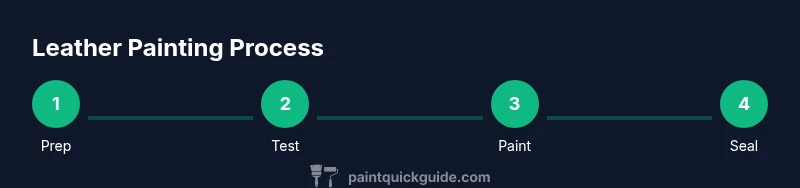
You’ll learn how to paint leather successfully by prepping the surface, choosing the right acrylic leather paints, applying thin layers, and sealing for lasting color; this guide covers prep, tools, techniques, and finishing. Start with a test swatch on an inconspicuous area. This quick answer sets clear expectations and safety notes.
Why painting leather can be a smart upgrade
Leather offers a timeless, durable surface that can be refreshed or customized with color, texture, and pattern. Painting leather expands its use—from a couch cushion to a motorcycle seat—without needing to replace the item. The key is understanding the porosity of leather, the flexibility of the material, and choosing paints engineered for leather. In this section we explore when painting makes sense, the limits of color on natural hides, and how finishes alter wear resistance. You’ll learn to balance aesthetics with function, so the result looks intentional and lasts through daily use.
Surface preparation and cleaning
Preparation is the most critical step for durable leather color. Start by removing surface oils, waxes, and dirt with a pH-balanced leather cleaner or mild soap solution. Wipe with a clean lint-free cloth and let the leather dry completely. If the surface feels slick, a light pass with fine-grit micro-mesh or sandpaper can improve adhesion, but avoid damaging the leather’s grain. Always test a small hidden area to confirm no color transfer or discoloration.
Materials, paints, and color matching
Use paints designed for leather, preferably acrylic leather paints, which remain flexible after drying. Avoid ordinary craft paints that crack with movement. When selecting colors, test swatches on an inconspicuous area and compare under different lighting. Mixing colors on a dedicated palette helps you achieve the exact shade and tone you want. Apply a base coat that matches the leather’s undertone for the most seamless result.
Tools, primers, and compatibility
Keep tools clean and use brushes with synthetic bristles for smooth coats. A leather primer or adhesion-promoting sealer can improve color durability on slick surfaces. Use masking tape to protect seams and edges where you don’t want color. Always mix a small amount of paint at a time to avoid waste and ensure consistent color across the project.
Techniques: layering, blending, and texture
Apply the paint in very thin layers, allowing each coat to dry before the next. Build color gradually to avoid pooling and crackling. For gradients, start with the lightest shade and work toward darker tones, blending the edges where colors meet. Use a stiffer brush or sponge for texture on areas like seats or wallets to mimic natural leather grains. Dry brushing can add subtle highlights to raised surfaces.
Drying, curing, and finishing
Let each coat dry completely before applying the next; cure time can vary from 24 to 72 hours depending on paint and finish. After the final color is dry, seal with a leather-compatible clear finish to protect from wear and moisture. For highest durability, use a satin or matte sealant, then cure in a dust-free environment. Condition the leather after sealing with a compatible conditioner once fully cured.
Safety, ventilation, and cleanup
Paints and sealants release fumes—work in a well-ventilated area and wear a mask if needed. Keep away from open flames when using solvents or alcohol-based cleaners. Clean brushes and tools promptly with water or the recommended reducer, and store leftover paint in a tightly sealed container away from heat. Always follow the product safety data sheet for each material.
Maintenance and longevity considerations
Leather paint can last longer with routine conditioning and protection from abrasion. Periodically wipe the painted area with a damp cloth and reapply a compatible conditioner as needed. Avoid abrasive scrubbing and sharp objects that could gouge the finish. For items subject to heavy use, consider adding a removable protective layer or cover to preserve the paint job.
Tools & Materials
- Leather cleaner or degreaser(pH-balanced product preferred; remove oils before painting)
- Isopropyl alcohol (70% or higher)(Sanitize surface and wipe swatches; ensure dry time between steps)
- Lint-free cloths(For cleaning and final wipe-downs)
- Acrylic leather paints (set of colors)(Choose leather-specific formulas for flexibility and durability)
- Paint brushes (assorted sizes, synthetic)(Fine brushes for detail, wider brushes for coverage)
- Leather primer or adhesion promoter(Optional but improves color adhesion on slick hides)
- Masking tape and masking film(Protect seams and edges; keep color clean)
- Palette or mixing tray(For color mixing and swatch testing)
- Leather conditioner(Applied after curing to maintain suppleness)
- Gloves(Nitrile gloves prevent contaminating oils from hands)
- Sealant or topcoat for leather(Choose compatible sealant (matte/satin) for finish)
Steps
Estimated time: 2-4 hours total
- 1
Prepare the surface
Begin with a clean, dry leather surface. Use a leather cleaner or mild soap solution to remove oils and dirt, then wipe with a clean cloth. Let it dry completely before proceeding.
Tip: Ensure the area is well-ventilated to avoid fumes from cleaners. - 2
Test color and adhesion
Apply a small swatch of the paint on a hidden area to check color perception and adhesion. If it beads or rubs off, you may need a primer or conditioner before painting the main piece.
Tip: Record the swatch color and drying time for reference. - 3
Apply base coat or primer
If you’re painting a slick or very light color change, apply a thin base coat or adhesion promoter. Let this layer dry fully before continuing.
Tip: Thin layers yield better coverage and less cracking. - 4
Build color with thin layers
Apply the chosen base color in multiple light coats, allowing each to dry. Aim for even coverage without pooling, and feather edges for a seamless look.
Tip: Use a light touch and small, controlled strokes. - 5
Add shading and details
Mix shades on a palette to create depth. Use a dry brush or fine brush to add shadows or highlights where natural creases occur.
Tip: Keep shadows subtle to preserve a natural leather appearance. - 6
Seal and protect the paint
Once color is fully dry, apply a leather-safe topcoat to protect against wear and moisture. Choose matte, satin, or high-gloss based on preference.
Tip: Allow the sealant to cure in a dust-free area. - 7
Cure and condition
Let the finished piece cure fully (24–72 hours). Condition the leather afterward with a compatible conditioner to maintain suppleness.
Tip: Avoid heavy use until fully cured. - 8
Clean up and storage
Clean brushes with water or the recommended reducer. Store paints tightly closed in a cool, dry place away from direct sunlight.
Tip: Label leftovers with date and color name.
Your Questions Answered
Can I paint real leather?
Yes. Real leather can be painted with proper prep and paints designed for leather. Start with a clean surface, test swatches, and use thin layers followed by a protective sealant.
Yes. You can paint real leather with the right prep and leather-specific paints, applying thin layers and sealing afterward.
Do I need a primer for leather painting?
A primer or adhesion promoter is recommended on very slick or finished leather to improve paint grip. If the surface already accepts paint well, you may skip it.
A primer helps if the leather is very slick or sealed; otherwise you can skip it if adhesion is good.
Will paint crack as leather flexes?
When you use flexible, leather-specific paints and apply thin layers, cracking is minimized. Avoid heavy topcoats that can crack with movement.
Cracking is unlikely if you use flexible leather paints and thin layers.
Can I paint over finished or dyed leather?
Yes, but prep is essential. Clean, degloss, and, if needed, apply an adhesion promoter to help the paint stick.
You can, but prep is important to help the paint grab the finish.
How long does curing take and what care is needed?
Cure times vary by product but typically range from 24 to 72 hours. After curing, avoid heavy wear and use a leather conditioner for longevity.
Cure times are usually 24 to 72 hours; keep it away from heavy use until fully cured.
Watch Video
Quick Summary
- Test color on an inconspicuous area
- Use thin, even layers for best adhesion
- Seal with a leather-compatible finish
- Allow full cure before regular use