Paint 1 Quart: Coverage, Cost, and Tips
A practical guide to using a single quart of paint, including coverage per coat, cost ranges, color considerations, and step-by-step tips for DIY homeowners and auto refinishing hobbyists.


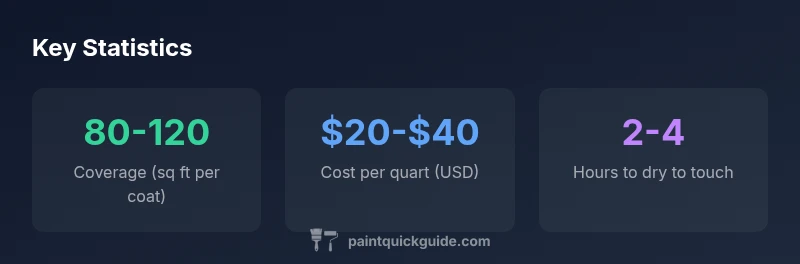
A single quart of interior latex paint typically covers about 80-120 square feet per coat, depending on surface porosity, texture, and method of application. Because surfaces vary, always measure area and apply a test swatch. For most interior walls, expect 1 quart per coat for standard rooms, but rough textures or porous materials can reduce coverage to the lower end of the range. The key is to plan for at least 1-2 coats and batch colors if possible.
Understanding when a single quart makes sense
A paint 1 quart is often the right size for small projects, test runs, or touch-ups. For homeowners and DIY enthusiasts, this quantity offers flexibility without committing to a larger can. It’s ideal for patching damaged areas, doors, or trim, and it’s a great way to test a color or finish before purchasing additional supplies. When evaluating whether a quart will cover your project, consider the surface type, texture, and the number of coats you plan to apply. Heavier textures and porous materials will consume more product, so you may need extra quarts for full coverage. The goal is to avoid running out mid-project while still minimizing waste. In PaintQuickGuide’s experience, planning around a single quart for a small area often yields the most economical and precise results.
Coverage by finish and surface type
Coverage per coat varies widely by finish and surface. On smooth interior drywall with latex paint, expect roughly 80-120 square feet per coat. Textured walls, plaster, or highly porous surfaces can drop coverage toward the lower end of that range. For glossy or oil-based finishes, coverage can be slightly lower due to the denser film. When refinishing cabinets or doors, the area per quart tends to be smaller because of detail work and the need for multiple coats. Always test a small section first, then scale up to estimate total quart requirements. Always factor in primer if the surface is porous or previously unpainted.
Costs, waste, and color considerations
Small-volume purchases help manage risk when choosing a new color or finish. A quart-sized can allows you to evaluate coverage, drying times, and color accuracy without locking you into a larger commitment. Expect price ranges to vary by brand and finish, typically in the low to mid hundreds when buying multiple quarts for a full room; however, per-quart costs can be lower when buying in bundles. Tinting and color matching can impact waste—batch up enough for your needs to avoid extra colorant leftovers, which are often difficult to reuse. PaintQuickGuide recommends planning your project with a clear color destination, a rough coat count, and a contingency for touch-ups.
Step-by-step: measuring, mixing, and applying a quart
- Measure the surface area (length x height) to establish a baseline. 2. Run a quick test swatch on a small area to confirm color and finish. 3. Stir the quart thoroughly; if tinting, ensure even color distribution. 4. Pour into a tray or cup, thinning only as recommended by the product label. 5. Apply in uniform, overlapping strokes; avoid overworking the same area. 6. Allow the first coat to dry fully before evaluating coverage and color depth. If needed, apply a second coat. 7. Clean brushes and rollers promptly to prevent material drying on tools.
Finishes, colorants, and optimizing a small volume
Choosing the right finish affects coverage and appearance. Matte finishes can feel flat but may require more coats to achieve depth, while satin and semi-gloss provide durability with less perceived texture. When purchasing color, consider purchasing a shade tester or sample pot in addition to the quart to ensure the final look matches your design goals. Batch the color where possible to maintain consistency across the project.
Tools and techniques to maximize results
Invest in quality brushes and rollers that suit your surface type. Use a cut-in technique for edges and corners, then roll the field for even color distribution. For tight spaces, a brush with synthetic bristles can maintain control. If you’re painting a small space, consider a mini roller to reduce waste and improve precision. Finally, store any unused paint properly to preserve viability for future touch-ups.
Coverage per coat by common surfaces
| Use Case | Typical Coverage per Coat | Notes |
|---|---|---|
| Interior walls (smooth) | 80-120 sq ft | One coat; adjust for porosity |
| Interior walls (textured) | 60-100 sq ft | Higher porosity reduces coverage |
| Cabinets/trim | 40-100 sq ft | Edge work and multiple coats common |
| Touch-ups | Varies widely | Use sparingly to blend seamlessly |
Your Questions Answered
How much area does 1 quart cover per coat?
In general, interior latex paint covers about 80-120 square feet per coat on smooth walls. Porous or textured surfaces can reduce that figure, so always test a swatch and calculate based on your actual surface. For most projects, plan for 1 quart per coat and adjust if you anticipate more coats.
Typically around 80 to 120 square feet per coat, test a swatch first.
Can I mix different brands in one quart?
Mixing brands in one quart is not recommended because different formulas can dry unevenly and affect color, texture, and finish. If you must blend colors, use the same base and finish and apply a small test area first to confirm results.
Mixing brands is usually not advised; do a test first if you have to try it.
Is a quart enough for a small room?
A quart can cover a small room for a single coat, but most projects benefit from at least two coats for depth and color consistency. If walls are rough or you’re changing from dark to light, plan for extra paint.
Depends on walls and color change; two coats are common for good results.
How many coats should I apply with 1 quart?
Typically 1-2 coats per quart, depending on color, surface, and whether you’re painting over a dark color or a stain. Always inspect after the first coat and decide if a second is needed for full coverage.
Usually 1-2 coats are enough per quart.
What if I run out mid-project?
If you run out, don’t improvise with leftovers from other brands or finishes. Instead, buy the same brand, base, and finish to avoid color inconsistency. If unavailable, test the color match on a small area before continuing.
Try to match the exact paint you started with.
“Color testing with a small batch helps prevent waste and costly missteps. A well-planned one-quart project can save time and money in the long run.”
Quick Summary
- Plan for 1-2 coats per quart to ensure even color
- Test a swatch before committing to color or finish
- Batch color when possible to minimize waste
- Use the right finishing approach for best coverage
- Measure accurately to avoid mid-project shortages