Flooring Paint: A Practical Guide to Refreshed Floors
Learn how to refresh floors with flooring paint—types, surface prep, priming, application, curing, and maintenance for durable, beautiful results across concrete, wood, and more.


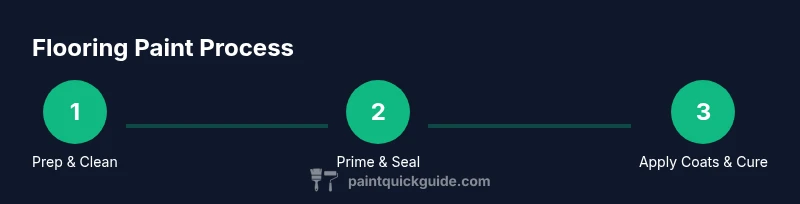
Flooring paint can revive a tired floor with proper prep and multiple coats. Start with cleaning and smoothing the surface, pick the right paint type for your area, and apply thin, even layers for durable, long-lasting results. With careful planning, you can achieve a refreshed look without costly replacement.
What is flooring paint?
Flooring paint is a specialized coating designed to adhere to floors and resist abrasion, moisture, and wear. It comes in water-based and solvent-based formulas, each with distinct drying times and odor levels. For homeowners, flooring paint offers a cost-effective way to refresh concrete, wood, tile, or subfloor surfaces without full replacement. The category includes epoxy-inspired systems and acrylic-based products tailored for indoor hallways, garages, basements, and kitchens. When choosing flooring paint, consider traffic level, moisture exposure, and the substrate. According to PaintQuickGuide, flooring paint can refresh worn surfaces without full replacement, but success hinges on proper surface prep and product selection. This guide uses practical steps, common-sense tips, and safety notes to help you achieve durable, visually appealing results.
When to use flooring paint
Flooring paint is ideal for spaces with visible wear but solid structural integrity. Use it to refresh a concrete basement or garage floor, refresh wood stairs, or recoat ceramic or vinyl tile in low- to moderate-traffic areas. It can also be a quick, economical option for rental properties where long-lasting color updates are desired. If moisture is a concern or the area experiences standing water, choose a moisture-tolerant formulation and prepare the substrate accordingly. PaintQuickGuide emphasizes that surface prep and the correct product choice are the keys to lasting results.
Types of flooring paint
There are several families of flooring paint, each suited to different substrates and usage levels. Water-based acrylics are common for interior concrete and wood due to low odor and easy cleanup. Epoxy-based systems offer superior durability for high-traffic zones like garages but require careful mixing and longer cure times. Oil- or alkyd-based enamels provide hard finishes on wooden floors but can have stronger odors and longer drying periods. For colorfastness and ease of maintenance, choose low-VOC products when possible. PaintQuickGuide analysis shows interior water-based formulas are popular for ease of cleanup and low odor, while epoxy options are best for heavy traffic.
Surface preparation essentials
A sound, clean surface is the foundation of a durable finish. Start by removing furniture, sweeping or vacuuming to remove dust, and degreasing any oily patches. For concrete, etching or profiling may be needed to improve adhesion; for wood, a light sanding dulls the surface to help the coating grab. Fill cracks and holes with an appropriate filler and allow it to dry fully. Ensure the floor is completely dry before applying any primer or paint. The cleaner and more even the surface, the better the coating will adhere and perform over time.
Priming and sealing for best results
Priming adapts the surface to the chosen flooring paint and improves adhesion, especially on slick or porous substrates. Use a bonding primer for glossy concrete, or a stain-blocking primer for wood with prior finishes. In some cases, a stain-blocking or sealing primer can prevent tannins and moisture from bleeding through the paint. If the substrate is concrete, consider a penetrating primer to reduce efflorescence and improve film build. Proper priming reduces the risk of peeling and helps you achieve a uniform color where the substrate shows through.
Application techniques for durable results
Apply flooring paint in thin, even coats to avoid bubbles and lap marks. Use a high-quality roller with the appropriate nap length for your surface, and cut in along walls and edges with a brush for clean lines. Work in small sections to maintain a wet edge. Maintain a steady pace to ensure even film thickness and minimize roller marks. Avoid applying paint in hot sun or high humidity, which can cause rapid drying and cracking. Always follow the product’s recoat window to determine when a second coat is appropriate.
Curing, maintenance, and long-term care
After applying the final coat, allow the floor to cure undisturbed for the recommended time before foot traffic. Even after the surface feels dry, it may take longer to gain full hardness, especially in cooler or damp environments. Use protective mats at entry points and felt pads on furniture to reduce scratches. For cleaning, stick to mild cleaners and avoid abrasive scrubbers that can wear down the film. Periodic reapplication or spot repair may be needed in high-traffic areas to maintain a fresh, durable finish.
Tools & Materials
- Degreaser or TSP substitute(For heavy soils and oil patches)
- Heavy-duty scraper or putty knife(To remove loose material)
- Broom and vacuum with nozzle attachment(Dust-free surface)
- Dust mask or respirator(Protect from dust and fumes)
- 120-180 grit sandpaper or sanding block(Lightly etch glossy surfaces)
- Painter's tape or masking tape(Protect edges and adjacent surfaces)
- Drop cloths or plastic sheeting(Contain dust and paint spills)
- Paint trays and liners(Even paint distribution)
- Roller frame and microfibre rollers (3/8"-1/2" nap)(Even coat across flat surfaces)
- Angled brush (2-3 inch)(Cutting in along walls and corners)
- Primer compatible with flooring paint(Improves adhesion)
- Flooring paint (water-based or epoxy)(Choose based on substrate and traffic)
- Clear topcoat (optional)(Adds extra durability on some substrates)
- Ventilation fan or open windows(Control fumes during application)
- Safety goggles and gloves(Protect from splashes and dust)
Steps
Estimated time: 1-2 days (active work 6-8 hours, plus cure time)
- 1
Clear the room and remove obstacles
Move furniture and appliances out of the area and cover nearby surfaces. This eliminates trip hazards and prevents accidental splatters on items that won’t get repainted. A clean, organized workspace reduces the chance of missing spots during coating.
Tip: Label doors and use separate drop cloths for each zone to speed up cleanup. - 2
Clean and degrease the surface
Sweep, vacuum, and wipe the floor with a degreaser or TSP substitute to remove oils, dust, and contaminants. A clean surface improves adhesion and reduces the risk of peeling later.
Tip: Rinse with clean water after degreasing and let dry completely before proceeding. - 3
Repair cracks and imperfections
Fill cracks, holes, and gouges with a suitable filler, then sand smooth once dry. A level, crack-free surface yields a uniform finish and reduces the chance of telegraphing under the paint.
Tip: Allow extra cure time for larger repairs to prevent cracking under the coating. - 4
Lightly sand glossy areas
Light abrasion with 120-180 grit sandpaper helps the coating bite into the surface. Wipe away dust with a tack cloth before priming.
Tip: Avoid over-sanding on delicate substrates to prevent gouges. - 5
Mask edges and prep seams
Apply painter’s tape along walls, baseboards, and transitions. This keeps lines crisp and protects adjacent areas from splatter.
Tip: Remove tape while paint is still slightly tacky for cleaner edges. - 6
Prime the surface
Choose a primer compatible with the flooring paint and substrate. Prime concrete, wood, or tile as required; a good primer can improve adhesion and color uniformity.
Tip: Test a small area first to confirm no adverse reactions between primer and substrate. - 7
Cut in edges and corners
Use an angled brush to paint along walls and tight spots before rolling. This avoids frequent back-and-forth rolling near edges and yields a crisper finish.
Tip: Keep a damp rag handy to clean drips immediately. - 8
Apply first coat evenly
Roll in one direction for a uniform film and back-roll to smooth ridges. Use thin coats to prevent sagging and peeling.
Tip: Work in small sections to maintain a fresh edge for the next pass. - 9
Apply second coat and inspect
If color coverage is uneven or edges show through, apply a second coat after the first is fully dry. Verify there are no pinholes or missed spots.
Tip: Lightly sand between coats if recommended by the product for optimal adhesion. - 10
Allow complete cure before use
Keep doors closed and avoid moisture until the coating reaches full hardness per product guidelines. This ensures maximum durability and color stability.
Tip: Plan for at least 24 hours of cure time before moving furniture back in.
Your Questions Answered
Is flooring paint durable enough for high-traffic areas like garages?
Epoxy-based or polyurethane-modified flooring paints are best for high-traffic zones, offering superior wear resistance. For interiors with lighter use, water-based floor paints can be sufficient if properly primed and coated.
For high-traffic areas, epoxy or polyurethane floor paints are best. For lighter use, water-based coatings can work well with proper prep and priming.
How long does flooring paint take to dry between coats?
Most flooring paints require a recoat window of several hours to a day, depending on product and conditions. It’s important to follow the label for exact timing and avoid rushing a second coat.
Most paints need a few hours before applying a second coat; follow the product label for exact timing and conditions.
Can I paint over an old sealant or varnish?
You generally need to remove or scuff the old finish and apply a bonding primer. Skipping this step can lead to poor adhesion and peeling later.
Usually you must remove or roughen the old finish and prime; otherwise the coating may peel off.
Do I need a topcoat after flooring paint?
Many flooring paints are self-contained, but a clear topcoat can add scratch resistance and chemical protection on busy surfaces. Check product recommendations for your substrate.
A topcoat can improve durability on busy floors, but follow the product's guidance.
Is flooring paint safe for pets and kids?
Choose low-VOC or zero-VOC formulations when possible and ensure adequate ventilation during application and cure times.
Pick low-VOC products and ventilate well during application and cure.
Can I use flooring paint on wooden floors?
Yes, with proper prep, sanding, and a suitable primer, flooring paint adheres well to wooden floors and can provide a durable finish with the right coating.
Wood floors can be painted successfully with good prep and the right primer.
Watch Video
Quick Summary
- Plan a thorough prep for lasting adhesion
- Choose the right flooring paint for the substrate and traffic
- Apply thin coats and observe dry times between coats
- Allow full cure before heavy use or exposure to moisture