Basement Concrete Floor Paint: A Practical How-To Guide
Learn how to prep, select, and apply basement concrete floor paint with practical steps, avoiding common mistakes. This PaintQuickGuide guide covers moisture control, primers, coatings, and maintenance for durable, easy-to-clean basement floors.


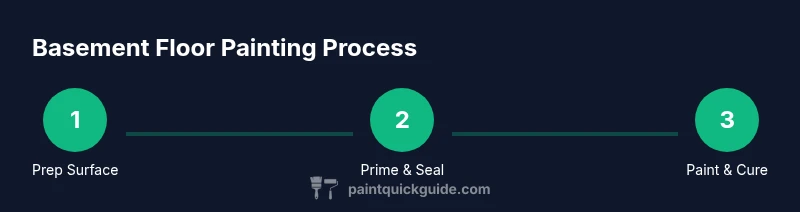
This guide shows how to transform a basement by painting a concrete floor. You’ll prep a clean, dry surface, test moisture, choose a compatible concrete floor paint system, apply primer, base coats, and a durable topcoat, then allow full curing. Key requirements: proper ventilation, moisture management, compatible products, and careful surface preparation.
Why basement concrete floor paint matters
Basement spaces often suffer from dampness, high humidity, and poorly finished floors. Painting a concrete basement floor with a purpose-built coating creates a durable, easy-to-clean surface that resists wear from foot traffic, tools, and potential spills. From a practical standpoint, a good coating blocks dust and reduces the appearance of surface flaws. According to PaintQuickGuide, choosing the right basement floor paint system can significantly improve moisture management and longevity when you pair it with proper prep. A dedicated concrete floor paint system designed for interior use provides abrasion resistance and simplifies maintenance, which is especially valuable in basements that double as laundry rooms, workshops, or storage. The best results come from treating the project as a small renovation: test the slab, address any moisture concerns, choose compatible products, and commit to a thorough cleaning and curing plan. With the right approach, a basement floor can become a clean, attractive, and functional foundation for years to come.
Moisture assessment and substrate prep
Moisture is the biggest risk for basement floors. Start with a simple moisture check and look for damp spots, efflorescence, or standing water. Use a reliable moisture meter or a simple humidity test across different areas of the slab to gauge variability. If moisture is high, address water intrusion first—correcting drainage, sealing cracks, and installing a vapor barrier may be necessary before coating. Surface prep should also include removing oil, dust, and previous coatings. A clean, dry, and sound substrate improves adhesion and reduces the likelihood of peeling after the finish cures. Remember, moisture management isn’t optional—it's the foundation of a durable finish.
Choosing the right coating system for basements
For basement floors, you generally choose between epoxy, acrylic, or latex-based concrete floor paints. Epoxy systems offer excellent durability and chemical resistance, but require meticulous prep and can be pricier. Acrylic and latex paints are easier to apply and more breathable, which helps in damp spaces, but may wear faster in high-traffic areas. Consider subfloor conditions, foot traffic, and whether the space will encounter moisture or humidity. A well-chosen system should be compatible with your primer and any sealer you plan to use, and it should be rated for interior, moisture-prone environments. Always follow the coating manufacturer’s guidance for surface prep and compatibility to maximize performance.
Primers, sealers, and compatibility considerations
Primers are critical for adhesion on concrete and for sealing porosity—especially in basement conditions. Choose a primer that is compatible with your topcoat and suited for concrete floors. If you expect moisture, look for primers specifically formulated for damp environments. Sealers can provide extra protection against staining and water intrusion, but they must be compatible with the finish coat. Read labels to confirm recommended substrate, application method, and cure times. The right primer and sealer help prevent peeling, blistering, and color irregularities, ensuring a long-lasting result.
Cleaning, repairs, and surface profiling
Thorough cleaning is essential before coating. Degrease the floor to remove oils and contaminants, then rinse and allow the surface to dry completely. Inspect for cracks and spalls, and repair with a concrete crack filler or patching compound. For better adhesion, you may need to etch or profile the surface per the manufacturer’s instructions. Always wear PPE when handling acids or strong cleaners and ventilate the space. Proper cleaning and profiling reduce the risk of coating failure and create a flat, uniform base for paint.
Application techniques and tool setups
Apply primer with a roller on a damp edge to maintain a smooth, even coat, then back-roll to ensure good distribution. After the primer cures, apply the base coat in thin, even layers, using a roller with a suitable nap for concrete. Use a brush for edges and corners, then switch to a roller for larger areas. Maintain a consistent wet edge to avoid lap marks. Allow the base coat to dry according to the manufacturer’s guidance, then apply a second coat if recommended. Finally, add a topcoat or sealer for extra protection in high-traffic areas. Always follow product data sheets for temperatures, humidity, and recoat windows.
Curing, maintenance, and long-term care
Let the finished floor cure fully before heavy use. Keep the space ventilated during cure and avoid exposing the coating to water or moisture as long as the label requires. For maintenance, use a mild cleaner and a damp mop; avoid harsh scrubbing that can wear the coating. Place mats or rugs in high-traffic zones to reduce wear. Periodically inspect for chipping or peeling and address issues promptly to prevent damage from spreading.
Troubleshooting and common mistakes
Common issues include peeling, premature wear in high-traffic areas, and uneven color. These problems usually point to inadequate surface prep, moisture concerns, or incompatibilities between primer and topcoat. Avoid applying coatings over damp floors or in poorly ventilated spaces. Always use compatible products from the same system and follow the manufacturer’s cure times. If you notice bubbles or blistering, stop, assess moisture, and re-treat if necessary.
Tools & Materials
- Concrete floor degreaser or TSP(Used for removing oil and dirt before cleaning)
- Stiff-bristle brush or scrubbing pad(For scrubbing the surface after degreasing)
- Shop vacuum or broom(To remove dust after cleaning)
- Pressure-washer (optional)(Helpful for large areas)
- Mask or respirator(For chemical fumes when etching or applying primer)
- Drop cloths and painter's tape(Protect adjacent areas)
- Concrete primer designed for floors(Ensure compatibility with the topcoat)
- Concrete floor paint or epoxy kit(Choose based on moisture and traffic)
- Paint roller (3/8-1/2 in nap)(For flat areas)
- Angled brush (1-2 inch)(Edge cuts and corners)
- Paint tray and liners
- Paint can opener and stir sticks
- Optional topcoat/sealant(For extra protection)
Steps
Estimated time: 1-2 days (plus cure times as directed by products)
- 1
Clear the space and protect surroundings
Move furniture away from walls and doors. Cover walls, adjacent floors, and any fixtures with drop cloths. This prevents accidental coatings on non-target surfaces and keeps the project organized.
Tip: Use painter's tape to protect edges and create neat paint lines. - 2
Test moisture and plan mitigation
Check for damp spots or humidity; use a moisture meter if available. If moisture is high, address drainage and consider a vapor barrier before coating.
Tip: Document moisture readings and select a system rated for damp basements. - 3
Repair cracks and imperfections
Fill cracks and spalls with a concrete patching compound. Smooth patched areas and let cure before proceeding to cleaning.
Tip: Choose a repair product compatible with your primer and topcoat. - 4
Clean thoroughly and degrease
Degrease the slab to remove oils and contaminants. Rinse completely and dry until no moisture remains.
Tip: Ensure the space is well-ventilated to speed drying. - 5
Etch or profile the surface
If required by your coating, etch the concrete or mechanically profile to improve adhesion. Follow safety guidelines and vent the area.
Tip: Wear PPE and follow the product’s instructions precisely. - 6
Prime the surface
Apply a compatible primer to improve adhesion and seal porosity. Let the primer dry according to the label before applying base coats.
Tip: Use a high-quality roller for even coverage and avoid puddling. - 7
Apply base coats
Roll or brush the base coat in thin, even layers. Maintain a wet edge to prevent lap marks and apply a second coat if recommended.
Tip: Do not rush; ensure proper tack time between coats. - 8
Apply topcoat or sealer
If using a topcoat or sealer, apply as directed to protect against wear and moisture. Two light coats can provide better coverage than one heavy coat.
Tip: Avoid overwatering at edges; work in manageable sections. - 9
Cure and inspect
Allow the floor to cure fully per product guidelines before exposing to traffic. Inspect for adhesion, smoothness, and color evenness.
Tip: Keep pets and kids off the surface during cure.
Your Questions Answered
Do I need to etch or profile basement concrete before painting?
Etching or profiling is often required to improve adhesion, especially on very smooth or dusty floors. Follow the coating manufacturer’s instructions and use proper PPE when handling acids or abrasive tools.
Etching or profiling is often needed for adhesion; follow the product instructions and wear PPE.
What is the best paint for basement floors?
The best option depends on moisture and use. Epoxy systems offer durability and chemical resistance, while breathable acrylic or latex paints can work well in damp spaces with proper prep.
Epoxy offers durability; acrylic and latex are good for damp spaces if prepped properly.
Can I paint over existing epoxy?
Yes, with proper surface preparation and compatible primers. Remove any loose epoxy flakes and ensure the surface is clean and dry before recoating.
You can, with proper prep and a compatible primer.
How long does basement floor paint last in a laundry/workshop area?
Longevity depends on prep, coating quality, and traffic. A well-applied, properly cured system can resist wear for several years, with maintenance as needed.
With good prep and cure, expect several years of durability with maintenance.
Is basement floor paint moisture resistant?
Most basement floor paints offer moisture resistance, but performance improves with correct moisture control, sealing, and using a coating system rated for damp interiors.
Moisture resistance improves with proper prep and a damp-rated coating.
Do I need a topcoat or sealant after painting a basement floor?
A topcoat or sealant adds abrasion resistance and moisture protection. Check compatibility with your base coat and apply as specified by the manufacturer.
Yes, a compatible topcoat strengthens protection.
Watch Video
Quick Summary
- Prepare thoroughly with moisture control
- Choose a compatible coating system for basements
- Prime, then layer thin coats for even coverage
- Ventilate and protect adjacent areas during cure
- Inspect and rework any issues promptly