Wall Paint for Garage: A Practical Guide
Learn how to choose, prep, and apply wall paint for garage spaces. This practical guide covers surfaces, primers, finishes, and maintenance to keep garage walls clean and resilient.


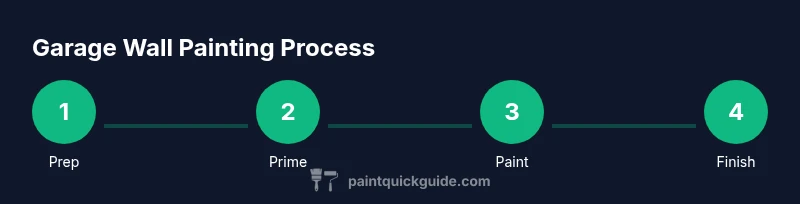
Step 1: Prep the garage walls by cleaning, repairing cracks, and sanding. Step 2: Choose a durable, washable paint with moisture resistance, preferably a semi-gloss or satin finish. Step 3: Apply bonding primer on bare concrete or patched areas, then two coats of paint, allowing drying time between coats. This guide covers prep, products, and techniques.
Surface types and preparation goals
Garage walls come in several common substrates, including drywall, plaster, and concrete block. Each material has its own prep needs, moisture considerations, and adhesion requirements. For spaces where cars frequently vent exhaust or humidity levels rise, choosing the right wall paint for garage becomes critical to prevent mildew, cracking, and peeling. According to PaintQuickGuide, starting with an honest assessment of moisture risk and wall condition sets up a paint project for long-term resilience rather than quick cosmetic fixes. This section explains how to identify wall types, surface flaws, and the goals you should aim for before picking a product. A properly prepared surface will accept paint evenly, achieve better adhesion, and reduce the likelihood of future touchups.
Surface preparation and repair techniques
Effective prep means more than a quick wipe-down. Begin by inspecting for signs of moisture intrusion, mold, or efflorescence, and address the underlying issue first. Clean walls with a mild detergent or degreasing solution to remove oil, dirt, and road grime. Rinse thoroughly and let surfaces dry completely. For concrete or masonry, use a stiff brush to scrub away loose particles, then repair any cracks or holes with a patching compound. Sand patched areas smooth and feather edges so new paint bonds evenly. If you notice chalky or peeling paint, remove it completely before patching. Proper cleaning and patching reduce the risk of paint failure and ensure a uniform finish.
Choosing paint types for garages
Garage environments demand finishes that are durable, washable, and resistant to moisture and stains. Most homeowners choose latex-based acrylic paints with a semi-gloss or satin finish for interiors, as they balance washability with look. Epoxy-based paints can offer superior chemical resistance but require careful surface preparation and ventilation. When selecting paint, look for products labeled specifically for garages or high-traffic spaces, and confirm compatibility with concrete, drywall, or plaster substrates. The PaintQuickGuide analysis suggests prioritizing moisture tolerance and cleanability, while considering color and sheen that hide scuffs and fingerprints. Remember that lighter colors may show more dirt, while darker shades can show surface imperfections if prep isn’t thorough.
Primers and sealers: when and why
Primers act as the foundation for a durable, uniform finish. Use a bonding primer on bare concrete or patched areas to improve adhesion and block stains. For drywall or plaster, a high-adhesion primer helps prevent peeling around joints. In garages with moisture concerns or previous water damage, consider a stain-blocking or moisture-sealing primer to reduce bleed-through. If the concrete ground is damp or humid, allow the primer to dry fully before applying paint. Primers also improve color consistency, reducing the number of coats required for an even appearance.
Application techniques for a durable finish
A successful garage wall painting project relies on steady technique and proper sequencing. Start by cutting in edges around trim, boxes, and corners with a high-quality angled brush. Then use a roller with the appropriate nap length for your surface: smoother drywall benefits from a shorter nap, while rough masonry may need a longer nap to lay down color evenly. Maintain a wet edge to avoid lap marks, and work in manageable sections, especially on large walls. Apply the first coat evenly, rotating your strokes to minimize roller marks. Allow adequate drying time between coats according to the product label, then apply a second coat for full coverage and durability.
Maintenance and cleaning for long-lasting walls
After painting, establish a cleaning routine that protects the finish while removing dirt and oil buildup. Use a soft brush or microfiber cloth with mild soap and water for routine wipe-downs. Avoid abrasive cleaners that can dull sheen or scratch the surface. For scuff-prone areas, touch up with matching paint and a small brush rather than repainting entire walls. Consider periodic inspections for peeling or dampness and address issues early to extend the life of the paint job.
Common mistakes and fixes
Common missteps include skipping surface prep, using the wrong primer, or selecting a finish that isn’t durable in garage conditions. Also, painting in high humidity or without proper ventilation can slow drying and trap odors. If you see peeling or blistering, remove loose paint, re-prime, and recoat. When in doubt, test a small area first to verify adhesion and color before tackling larger sections. These practical approaches help ensure a durable, easy-to-clean finish that stands up to daily garage wear.
Environmental considerations and disposal
Garage painting should be performed with proper ventilation to minimize inhalation of fumes. Use fans and open doors cautiously to maintain airflow. Store paints and solvents in a cool, ventilated area away from heat or open flames. When discarding old paint, follow local guidelines for hazardous waste disposal and recycling. If you must dispose of solvent-based products, take them to a designated recycling facility. Along with safety considerations, choosing low-odor, water-based paints reduces environmental impact while still delivering a durable garage finish.
Tools & Materials
- Heavy-duty paint roller (4-inch or 9-inch if preferred)(Choose nap length based on wall texture (3/8 to 1/2 inch for smooth drywall; 3/4 inch for rough surfaces))
- Nap roller cover (3/8(Select compatible nap for surface texture)
- Paint trays and liners(One per color/coat)
- Angled sash brush (2 inches)(For cutting in along corners and trim)
- Putty knife and patching compound(For smoothing holes and cracks)
- Sandpaper (120-220 grit)(Feather edges; between coats if needed)
- Mild detergent or degreaser(For initial wall cleaning)
- Bonding primer (for concrete/patches)(Read label for surface compatibility)
- Masonry primer (if painting concrete blocks)(Optional if concrete absorbency is high)
- Latex acrylic semi-gloss or satin paint(Best balance of durability and cleanability)
- Ventilation mask and safety goggles(Protect breathing and eyes from fumes)
- Drop cloths or plastic sheeting(Cover floors and nearby surfaces)
- Painter's tape(Protect trim and create clean edges)
- Water and mineral spirits (for cleanup)(Water-based paints cleanup with soap; solvent-based requires mineral spirits)
Steps
Estimated time: Total time: 6-9 hours (plus longer for drying between coats and curing)
- 1
Inspect and plan
Walk the walls to identify moisture issues, cracks, and existing paint quality. Plan primer needs and determine coating sequence (primer first, then coats).
Tip: Document problem areas with notes so you don’t miss them later. - 2
Clean and degrease
Wash walls with a mild detergent solution to remove oil and grime; rinse with clean water and let dry completely.
Tip: Ventilate the space well to speed drying and reduce odors. - 3
Repair and smooth
Fill cracks with patching compound, repair holes, and sand flush to a smooth surface.
Tip: Allow patches to cure fully per product directions before priming. - 4
Prime the surface
Apply bonding primer to bare concrete or patched areas; use drywall primer elsewhere for uniform adhesion.
Tip: Choose a primer designed for concrete or patching to maximize adhesion. - 5
Cut in and first coat
Brush edges first, then roll large areas with even strokes; maintain a wet edge to avoid lap marks.
Tip: Stir paint thoroughly; avoid thinning unless required by label. - 6
Second coat and inspection
Apply a second coat after the first has dried; inspect for missed spots and touch up as needed.
Tip: Lightly sand between coats for better adhesion if recommended by the product.
Your Questions Answered
What is the best finish for garage walls?
A semi-gloss or satin finish is usually best for garage walls because it cleans easily and resists moisture better than flat finishes.
For garages, semi-gloss or satin finishes clean up well and resist moisture.
Can I paint over concrete and drywall with the same paint?
Yes, but you’ll need appropriate primers for each substrate. Concrete often requires bonding primer, while drywall benefits from a stain-blocking or sealer primer.
You can, but primer choice should match each surface for best adhesion.
How long does garage paint take to dry between coats?
Drying times vary by product and humidity. Plan for several hours between coats and allow full cure before heavy use.
Drying between coats depends on the product and humidity; check the label.
Is epoxy paint better for garages?
Epoxy offers excellent chemical resistance and durability but requires more prep and ventilation. For most home garages, a latex-based paint with a good finish is sufficient.
Epoxy can be tougher, but latex with proper prep often meets typical garage needs.
Do I need a special primer for concrete?
Yes, use a bonding primer designed for concrete to ensure adhesion and to prevent peeling.
Concrete usually needs a bonding primer to stick well.
Can I paint over oil-based paint in a garage?
Yes, but you must remove, sand, or properly prime oil- or alkyd-painted surfaces and ensure ventilation when applying fresh finishes.
You can paint over oil-based surfaces if you prep and prime correctly.
Watch Video
Quick Summary
- Prepare surfaces thoroughly for best adhesion.
- Choose a durable, washable finish suited to garage conditions.
- Prime properly to block stains and improve coverage.
- Apply two coats for durability and easier cleaning.