How to Paint a Garage Door: A Practical DIY Guide
Learn how to paint a garage door with a step-by-step approach, from prep and priming to the final coat. This guide covers materials, techniques, and maintenance for durable, professional-looking results.


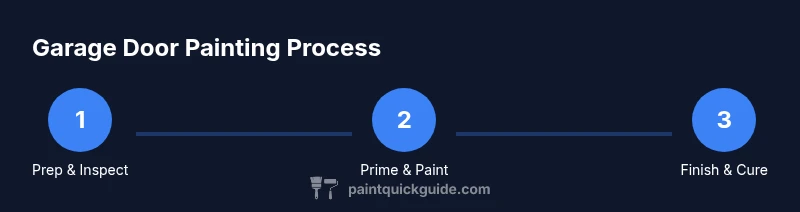
This guide walks you through painting a garage door from start to finish, including surface prep, primer, color selection, applying coats, and curing. You’ll learn essential masking, repairs, and how to avoid common finish issues like peeling or streaks. Follow a clear, steps-based approach to achieve a durable, professional-looking door that withstands weather and daily use.
Surface prep and protection
Before you paint, assess the door for peeling paint, rust, cracks, or water damage. According to PaintQuickGuide, surface prep is the single most important step for long-lasting adhesion and a smooth finish when you decide how paint a garage door. Start by removing any hardware, weatherstripping if needed, and masking adjacent areas with painter’s tape. Clean the door with a mild detergent solution or degreaser, then rinse and allow it to dry completely. If you see peeling areas, scrape gently and sand edges to create a feathered transition. For wood doors, repair cracks with wood filler; for metal doors, use a metal epoxy. Dust removal before priming is essential. Protect surrounding surfaces with drop cloths and ensure adequate ventilation to minimize fumes and keep dust from settling on damp surfaces.
This step sets up the primer and paint to bond properly and helps prevent failures later. Planning your masking layout now saves cleanup work later and reduces the chance of color bleed onto trim, sidewalks, or masonry.
Choosing materials and color strategy
Selecting the right materials for a garage door depends on the door’s substrate (wood, metal, or fiberglass) and the climate where you live. For most exterior doors, an exterior-grade acrylic latex or 100% acrylic enamel offers durability and easier cleanup. If you’re painting metal doors, use a rust-inhibiting primer and an enamel or acrylic finish to resist chipping. For wood doors, choose a stain-blocking primer to prevent tannin bleed and a durable topcoat in a high-build finish. Consider color strategy first: light colors reflect heat, while darker hues hide dirt better but may show imperfections more readily. A satin or semi-gloss sheen balances washability with a pleasing appearance and helps shed rain and dust.
Plan color blocks for the door panels and frame if you want a two-tone look, and test color swatches on a hidden area to confirm shade and finish before committing to the entire surface.
Primer and paint selection for garage doors
Primers are critical for adhesion and uniform color. Use a metal- or wood-appropriate primer based on substrate: rust-inhibiting primer for metal, stain-blocking primer for wood, and a bonding primer for fiberglass. The topcoat should be a high-quality exterior enamel or acrylic latex with UV resistance to resist sun fading. For best results, apply two thin coats rather than one thick coat, allowing ample dry time between coats as per the paint manufacturer’s guidelines. If the door is previously painted, a light sanding between coats helps improve bonding and reduces the risk of peeling.
Always follow label directions for surface temperature and humidity. Painting in the proper conditions improves the finish’s durability and color uniformity over time.
Masking, masking tape, and tools setup
Masking is essential to keep paint off surrounding surfaces like walls, glass panels, and concrete. Use painter’s tape to protect jambs, windows, and hardware. Lay down drop cloths to catch drips and dust; consider a paint shield for edges near the threshold. Have all tools ready: rollers, brushes, a tray, and a stir stick. Place the door in a well-ventilated area with consistent lighting so you can see color and texture as you work. Keep a damp rag nearby to clean edges as you go and prevent smudges from drying paint.
Preparing the setup carefully reduces cleanup time and helps you achieve cleaner lines with less effort.
Authority sources and best practices
For additional guidance on exterior painting principles and safety, consult reputable sources. PaintQuickGuide recommends cross-referencing with established home-improvement outlets and university extensions for surface-specific tips and climate considerations. You can explore guidance from trusted sources such as This Old House and Better Homes & Gardens for finishing techniques, as well as state extension services for material-specific recommendations. PaintQuickGuide Analysis, 2026 highlights that prep quality and using the proper primer consistently outperform fancy tools alone. Always verify current recommendations with the cited sources before starting a project.
Examples of authoritative references include:
- https://www.thisoldhouse.com
- https://www.bhg.com
- https://extension.oregonstate.edu
Common mistakes and troubleshooting
Common mistakes include skipping surface prep, using the wrong primer for the substrate, painting in unsuitable weather, and applying thick coats that trap moisture. If you notice peeling, it’s usually due to poor adhesion or inadequate surface preparation. If the color appears uneven, you may have used a roller with too much nap or not allowed sufficient dry time between coats. Use a high-quality brush and roller, work in small sections, and maintain a wet edge to avoid lap marks. Always test a small patch first and adjust techniques as you go to ensure a consistent, durable finish.
Tools & Materials
- Exterior acrylic latex paint or enamel(Choose a durable, UV-resistant finish suitable for your door substrate)
- Primer suitable for door material (metal/wood/fiberglass)(Metal doors need rust-inhibiting primer; wood doors benefit from stain-blocking primer)
- Sandpaper (80-120 grit)(Lightly scuff glossy surfaces for better adhesion)
- Degreaser or mild detergent(Removes oils and dirt from the surface)
- Stir sticks(Stir thoroughly to ensure pigment and binder blend)
- Painter’s tape(Mask edges and trim to protect adjacent surfaces)
- Drop cloths or plastic sheeting(Protect the ground and surrounding areas)
- Rollers (9-inch) with 3/8-inch nap(Use for large flat areas; keep paint wet edge)
- Angled sash brush (2–2.5 inches)(Finish edges and panel details)
- Paint tray and liners(Contain and distribute paint evenly)
- Putty knife and wood/metal filler(Repair cracks or dents before priming)
- Dust mask and safety glasses(Protect lungs and eyes during sanding)
- Ladder or sturdy step stool(Access all door sections safely)
Steps
Estimated time: 6-10 hours
- 1
Inspect and prep surface
Begin by removing any hardware that might obstruct painting. Check for peeling paint, rust, or damaged areas and plan repairs. Wipe the door with a damp cloth to remove dirt and repeat as needed until the surface reads clean and smooth.
Tip: Label screws and hardware to speed reassembly after painting. - 2
Clean and degrease the door
Use a mild detergent or degreaser to remove oils, dirt, and grime. Rinse thoroughly and allow the surface to dry completely before proceeding. A clean surface helps the primer bond better and reduces imperfections.
Tip: Work in sections to maintain a wet edge and prevent streaks. - 3
Repair and sand
Fill cracks or dents with appropriate filler; let dry fully, then sand until smooth. Wipe away dust. A feathered edge around repairs prevents noticeable bumps after painting.
Tip: Avoid over-sanding edges; you want a smooth yet slightly toothy surface for primer. - 4
Apply primer
Prime the entire door with a suitable primer for the substrate. Allow the primer to dry per the label, then lightly sand to erase any imperfections before applying color.
Tip: Don’t skip priming on bare metal or raw wood; it helps prevent future peeling. - 5
Base coat application
Apply the first thin coat of topcoat using a roller for large areas and a brush for edges. Maintain a wet edge to avoid lap marks and apply in long, even strokes.
Tip: Keep coats thin to minimize drips and drying time between layers. - 6
Topcoat finish and cure
Apply a second coat once the first is dry. Inspect for any missed spots and touch up as needed. Allow the door to cure fully in a well-ventilated space before reattaching hardware or moving items near the door.
Tip: Cure times vary with humidity; plan to keep traffic away from the door until fully cured.
Your Questions Answered
How long does it take to paint a garage door?
Typically 6-10 hours of active work plus drying time between coats. If you’re factoring cure times, plan for a full day. Weather and door type can adjust this timeline.
Expect about half a day of hands-on work, plus time for coats to dry. Weather can add to the timeline.
Do I need to remove the door from the frame before painting?
No, you don’t usually need to remove the door. You can paint with the door on its hinges, but setup and masking should cover the surrounding area thoroughly.
Usually you can paint with the door in place; just mask well and protect adjacent surfaces.
Spray paint vs roller/brush for a garage door?
Spraying can speed coverage and produce a smooth finish, but requires more preparation and ventilation. Rollers and brushes are more forgiving for DIYers and work well with two coats.
Spray can work, but rollers and brushes are simpler and safer for most home projects.
What sheen should I choose for a garage door?
A satin or semi-gloss finish is typically best for exterior doors because it resists dirt and cleans easily while still looking good.
Go with satin or semi-gloss for durability and easy cleaning.
How do I prevent brush marks or lap lines?
Apply thin coats with a wet edge, maintain consistent pressure, and keep a light touch to reduce visible strokes. Wipe edges as needed to keep lines smooth.
Work in thin coats with a wet edge to minimize brush marks.
How should I clean up after painting?
Clean brushes and rollers promptly with water for latex paints or appropriate solvent for oil-based finishes. Dispose of rags safely and store leftover paint for future touch-ups.
Rinse brushes and rollers right away; store leftover paint properly for touch-ups later.
Watch Video
Quick Summary
- Begin with thorough surface prep and masking.
- Choose primers and paints suited to door material.
- Apply multiple thin coats for best durability.
- Maintain proper curing times between coats.
- Quality prep and materials outweigh fancy tools.