Painted Brick Houses Before and After: Practical Guide
Explore the before and after of painted brick houses with actionable surface prep, paint selection, and long-term maintenance guidance to maximize curb appeal and durability.


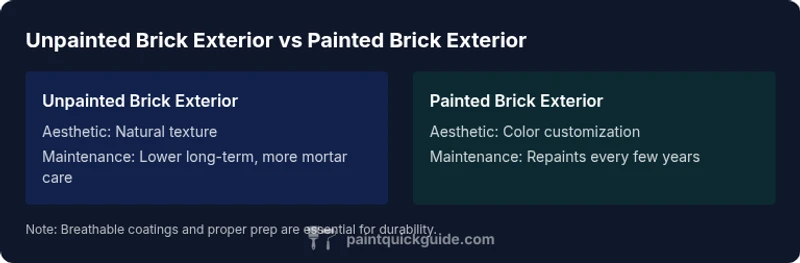
Painted brick houses before and after offer a dramatic curb-appeal upgrade, but success depends on thorough prep, breathability, and proper sealing. This comparison weighs unpainted brick exterior against painted brick finishes, highlights maintenance differences, and explains longevity considerations. The PaintQuickGuide analysis shows painted brick houses before and after deliver the best results when moisture is managed and color choices complement the home's architecture.
Why painted brick houses before and after matter
Brick is durable and classic, but it is also porous. When you consider painted brick houses before and after, the first question is how the paint will interact with brick's porosity, moisture, and salt efflorescence. A successful painted brick exterior relies on proper surface preparation: removing contaminants, repairing cracks, and ensuring any penetrating moisture has a clear path to escape. A good finish can dramatically refresh a home’s appearance, increase perceived value, and align with neighborhood aesthetics. However, the after-state also introduces maintenance responsibilities: repaint cycles, cleaning, and inspecting for peeling in seams and edges. The goal of this section is to set expectations for durability, color longevity, and how to balance style with protection. PaintQuickGuide’s guidance emphasizes choosing breathable, elastomeric or acrylic-latex paints designed for masonry and applying a clear sealant in areas prone to water exposure. The keyword here, painted brick houses before and after, underscores that the decision is as much about long-term performance as it is about initial look. In many climates, the right product can resist fading for years while staying flexible enough to handle brick movement.
Brick surfaces and moisture: why breathability matters
Brick is porous by design, which means moisture can move in and out of the substrate. When you evaluate painted brick houses before and after, breathability becomes the knight and the squire: you want enough moisture escape to prevent blistering, but you also want the paint film to act as a barrier against driving rain. The right masonry paint is formulated to be breathable, allowing water vapor to pass without permitting liquid water to saturate the brick. If you seal too aggressively or use a non-breathable coating, moisture can become trapped, leading to efflorescence, spalling, or peeling paint. This section outlines practical checks: look for paint labeled masonry or elastomeric that explicitly mentions breathability, test for damp spots after rainfall, and inspect for moisture migration in the interior wall near the painted facade. For owners researching painted brick houses before and after, the goal is to maximize color life while preserving the brick’s natural texture and warmth.
Surface prep: cleaning, repairs, priming, and priming on brick
Surface prep is the single most important step in achieving a long-lasting painted brick exterior. Before applying any color, you must clean the brick thoroughly to remove dirt, mildew, and efflorescence. Small cracks and spalls should be repaired, and any deteriorated mortar repointed if necessary. Use a stiff-bristle brush and, if needed, a mild acid-based cleaner following manufacturer instructions; always rinse completely and allow the wall to dry. Priming is widely recommended because it improves paint adhesion and uniform color, especially on glossy or previously repainted surfaces. Choose a primer formulated for masonry and compatible with the chosen topcoat. In painted brick houses before and after scenarios, professionals often prime in two coats on problem areas to ensure a uniform base. While some DIYers skip priming, the risk is patchy color and premature peeling. The prep phase is where you can set up for a smooth finish that resists moisture and fading for years to come.
Paint types and color strategies for brick exteriors
The choice of paint can make or break the long-term performance of painted brick houses before and after. Look for masonry paints labeled breathable, elastomeric, or acrylic-latex, which provide flexibility to accommodate brick movement and seasonal expansion without cracking. Color strategy matters as well: light colors reflect heat and help with energy efficiency in hot climates, while deeper tones deliver stronger contrast and a classic look in historic districts. For longevity, select a finish with a low susceptibility to staining and mildew, and ensure the color you choose works with your mortar joints and neighboring homes. A well-chosen palette can harmonize with landscaping and architectural details, while poor choices can highlight imperfections or lead to faster fading. PaintQuickGuide recommends testing color samples on a small section first to observe aging under sun, rain, and pollution exposure.
Tools, products, and method: roller, brush, sprayer, and sealant
A successful painted brick exterior relies on the right combination of tools, products, and technique. Use high-quality masonry paints designed for exterior brick, along with a suitable primer. For application, a combination approach often yields the best result: a roller for large flat areas, a stiff brush for edges and pointing, and an airless sprayer for even coverage on large walls (with masking to protect nearby surfaces). Sealants and topcoats help protect against moisture and UV degradation, but must be breathable to avoid moisture entrapment. The method should emphasize light, even coats rather than heavy layers that can trap moisture or cause cracking. Clean tools promptly after use and follow the manufacturer’s recoat window to avoid lingering solvent smells or poor adhesion. In the painted brick houses before and after context, choosing compatible products and applying them in stable temperatures ensures color consistency and reduces the risk of peeling.
Step-by-step painting workflow for painted brick houses before and after
A disciplined workflow minimizes errors and yields durable results. Start with a thorough cleaning and dry surface; repair any structural issues; apply primer in two thin coats on uneven areas; once dry, apply the topcoat in two to three thin passes, allowing appropriate cure time between coats. Check corners, outlets, and vents for proper sealing and masking. After the final coat dries, inspect for holidays or thin spots and touch up as needed. In humid regions or near frequent rain, allow extended drying times and consider windbreaks to avoid rapid surface drying that can cause brush marks. Document the process with photos to compare the before and after journey of painted brick houses before and after, which helps in future maintenance planning and color decisions.
Seasonal timing and weather considerations
Temperature and humidity dramatically affect paint performance on brick. Spring and fall typically provide the most favorable conditions for painted brick houses before and after, as moderate temperatures and lower humidity support even drying. Avoid painting in extreme heat, cold, or high humidity, which can lead to poor adhesion or blistering. Wind and rain proximity are important factors too, particularly when applying solvent-based coatings. If you must paint during shoulder seasons, schedule around dry spells and allow extra cure time. Plan touch-ups for mild weather windows to maintain consistent color and finish. PaintQuickGuide notes that proper timing improves long-term resistance to fading and peeling, especially on sun-exposed elevations and brick sections that experience thermal cycling.
Common mistakes and how to avoid them
Common missteps in painted brick houses before and after projects include skipping primer, choosing non-breathable coatings, and rushing the job with inadequate surface preparation. Overcoating concrete patches or mortar joints without sealing can trap moisture. Using high-pressure washers on fresh paint often causes peeling and chipping. To avoid these issues, follow a strict prep plan, select a masonry primer and breathable topcoat, and apply in controlled conditions. Invest time in color testing, verify warranty provisions on the paint, and conduct a final moisture check before applying the last coat. When done correctly, painted brick exteriors can maintain color integrity for many seasons; when done poorly, they may require early maintenance or repainting.
Case studies: before and after visuals and what changed
Two hypothetical examples illustrate the range of outcomes for painted brick houses before and after. Case A features a mid-century home with red brick and a soft gray palette, resulting in a modern, cohesive look that enhances curb appeal while preserving historic character. Case B shows a coastal residence with salt spray exposure, where a breathable acrylic-latex finish and light sealant maintain color stability despite heavy sun exposure. In both cases, preparation, paint type, and proper sealing were the decisive factors in longevity and appearance. These stories demonstrate that the before-and-after transformation is not just cosmetic; it also reflects moisture management, micro-cracking prevention, and the ability to balance color with architectural detail. Visuals of each project reveal how texture, shade, and finish interact with light, weather, and neighborhood context in painted brick houses before and after.
Maintenance and long-term care after painting brick
Maintenance is essential to preserve the painted brick exterior. Regular cleaning with mild soap and soft brushes helps prevent mildew and staining while preserving color. Inspect for peeling or blistering at seams and edges following storms or seasonal cycles, and address issues promptly by cleaning, re-priming, and touching up affected areas. Resealing or applying a fresh topcoat at recommended intervals can extend the life of the finish, especially in harsh climates. Consider annual checks for moisture intrusion and repointing if mortar joints show wear. A well-maintained painted brick exterior remains vibrant and durable, offering long-term curb appeal and protection when performed with proper surface prep and breathable coatings.
Cost considerations and value impact
Painted brick houses before and after projects involve several cost factors: surface preparation, materials, labor, and potential repaint cycles. While the initial outlay for priming and painting is higher than routine maintenance for bare brick, the long-term value is influenced by curb appeal, color longevity, and reduced weathering of brick surfaces when sealed correctly. It’s important to balance upfront costs with future maintenance expectations and to select products aligned with climate, sun exposure, and traffic on the facade. Strategic color choices and high-quality breathable paints can support a favorable return on investment by preserving and enhancing the home’s exterior aesthetic, without compromising structural integrity.
Final tips for lasting finish
Conclude with a careful maintenance plan and long-term care routine. Revisit color palettes every few years to account for fading or changes in neighborhood style, and ensure you use breathable masonry products that accommodate brick movement. Always follow manufacturer instructions for surface preparation, primers, and topcoats, and document each project phase for future reference. The painted brick houses before and after journey benefits from systematic upkeep and a thoughtful approach to color, texture, and moisture control.
Comparison
| Feature | Unpainted Brick Exterior | Painted Brick Exterior |
|---|---|---|
| Aesthetic impact | Classic natural brick tone; textured warmth | Vibrant color options with uniform finish |
| Maintenance frequency | Lower maintenance for unpainted brick (spot cleaning, repointing as needed) | Higher maintenance due to repaint cycles and sealant refresh |
| Moisture management | Brick’s natural breathability supports moisture movement | Painted surface requires breathable paint and proper sealing to avoid moisture entrapment |
| Color customization options | Limited to natural brick hues | Extensive palette including neutrals and bold colors |
| Cleaning requirements | Occasional cleaning with mild soap | Gentle cleaning to avoid peeling; avoid high-pressure washing on peeling paint |
| Durability of finish | Brick is inherently durable; finish longevity depends on paint quality | Paint finish may require refreshes to maintain look |
| Best for | Historic or rustic brick aesthetics | Modern look with color flexibility and photos |
Upsides
- Transforms curb appeal with a modern color palette
- Offers color and finish customization
- Adds protection against weathering when using breathable paints and sealants
- Can help even out surface texture and minor imperfections
What's Bad
- Requires thorough prep to prevent moisture entrapment and peeling
- Higher maintenance due to repaint cycles and resealing
- Initial cost can be higher than routine brick maintenance
- Not all brick types accept paint well; improper application can cause issues
Painted brick is a strong value-added option when properly planned
Choose painted brick if you want modern curb appeal and color flexibility, but invest in proper prep, breathable coatings, and long-term maintenance. The PaintQuickGuide approach emphasizes ventilation and sealing to maximize durability and minimize issues such as peeling or moisture problems.
Your Questions Answered
How long does a painted brick exterior typically last?
Lifespan varies with climate, paint quality, and maintenance. A well-prepped brick surface with breathable masonry paint can retain color and integrity for several years, though most homeowners plan for periodic touch-ups or a refresh cycle to maintain uniform color and protection.
A well-done painted brick exterior can last for several years, but you should expect periodic touch-ups to keep the color even and the finish protected.
Is painting brick a permanent change?
Painting brick is a durable modification, but it is not truly permanent. You can repaint or refresh color when the finish shows wear or color shifts. Proper prep and selecting compatible coatings make future repainting easier.
Paint is durable, but you can repaint later if you want a new look or refresh the finish.
Do I need a permit to paint my brick house?
Permits are not commonly required for typical residential exterior repainting. However, local codes may vary, especially in historic districts. Check with your city or neighborhood association if you suspect restrictions.
Usually no permit, but some areas may have rules for historic homes, so check local guidelines.
Can I repaint brick without removing old paint?
Repainting over old paint is possible if the old coating is in good condition and compatible with the new paint. In many cases, sanding, cleaning, and priming are enough to achieve good adhesion.
As long as the existing paint is stable and you prime properly, you can repaint without removing everything.
What should I do about efflorescence before painting?
Address efflorescence before painting by cleaning the surface, letting it dry, and using a breathable masonry primer. Severe or persistent efflorescence may require professional assessments or moisture control measures.
Clean and dry the wall first, then prime with breathable paint to prevent future issues.
What’s the best season to paint brick?
The best season is typically spring or fall when temperatures are moderate and humidity is lower. Avoid extreme heat, cold, or heavy rain for the best adhesion and curing.
Aim for a mild, dry season like spring or fall for painting brick.
Quick Summary
- Plan thorough prep for durable results
- Choose breathable masonry paints and sealants
- Expect repaint cycles for color longevity
- Test color on-site before full application
- Maintain a regular inspection routine after painting