Paint for a Shower: A Practical DIY Guide
Learn how to paint a shower with moisture-resistant coatings, prep, prime, apply, and maintain for long-lasting bathroom aesthetics. This guide covers surfaces, coatings, safety, costs, and pro tips.


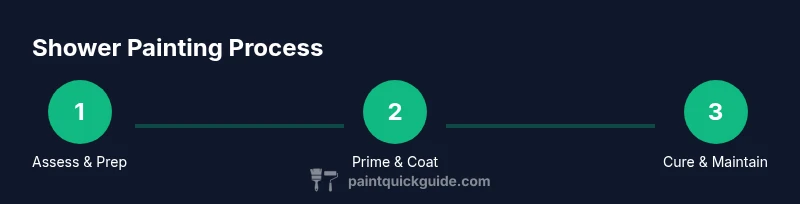
You will learn how to safely paint a shower, choose a moisture‑resistant coating, prep glossy surfaces, apply primer and paint, and maintain the finish for years. This guide covers surface prep, primer choice, application methods, curing times, and safety tips—so your shower stays durable and stylish.
Why painting a shower is a practical upgrade
A fresh coat of paint can transform a damp, boring shower into a durable, easy-to-clean space without a full remodel. For homeowners, painting the shower is one of the most cost-effective upgrades that yields noticeable results in a weekend or two, depending on surface type. A moisture‑resistant finish shields substrates from humidity, mold, and water splash, extending the life of fiberglass, tile, and acrylic enclosures.
According to PaintQuickGuide, the key to success is selecting a coating designed for bathrooms, not a standard wall paint. The main options include epoxy-based coatings, tile-safe enamel, and specialty bathroom paints formulated for high humidity. Each has trade-offs: epoxy coatings offer superior moisture resistance and durability but demand meticulous surface prep and ventilation; tile-safe enamel provides a robust, paint-on-tile feel with easier application; while some acrylic-latex formulas offer lower odor and simpler cleanup but may require extra coats for full coverage.
Before choosing a product, assess your shower’s surface: fiberglass stalls, ceramic tile, cement board, or acrylic panels. Inspect for damage—cracked grout, loose tiles, or mildew—and address it before painting. A thorough prep job is the difference between a finish that lasts years and one that fails after a few months. The PaintQuickGuide team stresses patience and following the product label for best results.
Paint types for showers and when to use them
Choosing the right coating is the most important step in painting a shower. In damp spaces, ordinary interior wall paint quickly fails. The best options are epoxy-based finishes, tile-safe enamels, and water-resistant bathroom paints with durable topcoats. Epoxy paints form a hard, glossy film with exceptional moisture resistance and chemical resistance, making them a favorite for units that see heavy use. They are excellent for fiberglass, ceramic tile, and cement-board surfaces when properly prepped. However, epoxy requires careful mixing, proper ventilation, and strict attention to cure times.
Tile-safe enamels provide strong adhesion to ceramic tile and grout lines while offering a more forgiving application than pure epoxy. They resist water exposure well but generally tolerate daily cleaning rather than harsh chemical solvents. The latest bathroom paints designed for high humidity often feature moisture-resistant resins, mildew inhibitors, and scrub-friendly finishes. These coatings are easier to apply in tight spaces and are suitable for painted tile, panels, and fiberglass. If color consistency across multiple baths is desired, consider a single, uniform system recommended by the product label.
Also consider specialty coatings for old tile or cement pours: tile painting kits and cement-based coatings can refresh surfaces without removing traditional tile. Each system has a dedicated cure time, recoat window, and surface prep requirement—read the label carefully and test a sample area before full application.
Surface prep: cleaning, mold removal, and priming
Surface prep is the backbone of any shower painting project. Start by removing loose debris and cleaning surfaces with a mildewcide cleaner to kill surface mold and mildew. Scrub grout lines, tile edges, and fiberglass seams with a stiff brush, then rinse thoroughly and let dry completely. Humidity and moisture are the enemies of coatings that must cure, so plan to perform prep during a dry, warm day with good ventilation.
For glossy surfaces like glazed tile or sealed fiberglass, de-glossing with a 180- to 220-grit abrasive pad or fine sandpaper improves adhesion. Vacuum the dust, then wipe with a tack cloth. Apply a high-quality bonding primer that is compatible with your selected topcoat. The primer will help the coating adhere to slick surfaces and seal porous areas in grout and cementboard. If you find damaged grout or loose tiles, repair or replace those elements before painting; otherwise moisture will penetrate behind the finish and cause failure.
After priming, inspect the surface. Any remaining slick areas or uneven spots should be re-sanded lightly and re-primed. Keep all work areas dry during priming, and follow ventilation guidelines to avoid inhaling fumes. A properly prepared surface increases durability and reduces the risk of peeling and staining over time.
Primers and coatings by surface type
Surface type drives primer choice. Fiberglass stalls and acrylic panels respond best to bonding primers designed for glossy plastics; tile and cement-board substrates demand primers that seal and promote adhesion to dense minerals. For fibreglass and acrylic, use a water-based bonding primer that cures clear or white and dries quickly. For ceramic tile, a stain-blocking primer with excellent adhesion helps prevent moisture-driven stains from showing through.
Topcoat selection should align with your substrate and maintenance expectations. Epoxy topcoats deliver the strongest moisture barrier and chemical resistance, but require precise mixing and careful application to avoid runs and pinholes. Tile-safe enamels provide robust durability with more forgiving application, while modern bathroom paints marketed as moisture-resistant strike a balance between ease of use and performance. Always follow the product’s recoat window and temperature guidelines. If you are painting over existing tile, test a small area first because some surfaces reject coatings or require additional prep steps like etching.
Application methods and best practices
Application method matters as much as the coating you choose. For most showers, a combination of brushes and rollers provides the best coverage. Use a 1- to 2-inch angled brush around corners, grout lines, and seams; a 4- or 6-inch roller covers broad surfaces efficiently. When working on tile edges, apply thin, even coats to minimize runs; avoid overloading tool reservoirs which can cause drips.
Air movement helps cure times but avoid strong drafts that can blow dust onto wet paint. Maintain a steady pace and keep brush or roller at a near-vertical angle to ensure even coverage. For epoxy systems, mix at the recommended temperature and humidity, and work within the pot life; do not rework after the product begins to cure. If you need to paint large panels, consider a spray option only if you have proper ventilation and masking; otherwise, stick to brush/roller to minimize overspray and cleanup.
In tight corners and behind fixtures, back-roll to ensure consistent film thickness. Wash tools promptly according to the coating’s instructions, and avoid cross-contamination by using dedicated tools for each coat.
Curing, sealing, and maintenance
After application, curing times govern when you can safely re-expose the shower to moisture. Most bathroom coatings require at least 24 hours to handle light moisture, with full cure taking several days to a week, depending on temperature, humidity, and product. Keep the shower dry and well-ventilated during this period. Use breathable, non-abrasive fabrics to dry surfaces gently after use and avoid scrubbing too early.
Sealing edges: ensure that corners and joints are properly sealed with mildew-resistant silicone at the ends of the project to prevent water intrusion behind the finish. Once cured, maintain the surface with gentle, non-abrasive cleaners to avoid scratching or dulling the finish. Recoat windows vary by product; some coatings require a second coat after 24 hours, while others allow up to a week between coats. Always read the label for cure times and recoat intervals.
In between cleaning cycles, inspect for signs of peeling, bubbling, or mildew growth. If you notice any of these issues, address them promptly by light sanding and re-coating as needed. Regular maintenance extends the life of your paint job and helps the space stay hygienic.
Common mistakes and how to avoid them
Common mistakes sabotage shower painting projects. The most frequent issue is painting over damp or moldy surfaces, which traps moisture behind the coating and causes peeling. Always ensure a surface is completely dry and mold-free before you begin. Skipping proper surface preparation, like de-glossing slick materials and using the wrong primer, leads to poor adhesion and early failure.
Another big error is ignoring temperature and humidity requirements on the product label. High humidity or low temperatures slow cure times and produce cloudy finishes or streaks. Overloading brushes or rollers also causes runs and sags, and poor masking lets spray or drips ruin surrounding fixtures. Finally, choosing color schemes that highlight grout lines rather than obscure or hide them can reveal imperfections. Plan the finish and prepare accordingly.
Color choices, finishes, and design ideas for showers
Color choices can dramatically change a shower’s look, even when you choose a practical coating. Light gloss finishes make a small space feel larger and are easier to clean, while higher gloss surfaces resist staining better but show more imperfections. Matte finishes hide some flaws but can be harder to clean, so a satin or semi-gloss finish is often the best compromise for showers.
When selecting colors, consider the surrounding bathroom palette. A pale neutral base with a bold accent wall or tile trim creates a fresh, modern look without overwhelming the space. If you want the look of tile without continuing grout maintenance, use a tile-painting kit or tile-safe enamel to mimic tile patterns. Finally, test color samples on a small, inconspicuous area, and view them under bathroom lighting at different times of day to see how they look when wet.
DIY vs hiring a professional: cost and expectations
DIY painting a shower can be a smart way to refresh a bathroom without a full remodel, but it requires careful prep and patience. The biggest cost savings come from labor; however, materials—especially epoxy coatings and primers—may be expensive, so plan accordingly. For bathrooms with complex tile patterns or significant surface damage, hiring a professional may save time and prevent costly mistakes.
From a safety perspective, working with epoxy finishes requires proper ventilation and PPE; you should avoid inhaling fumes and ensure you have a well-ventilated space. PaintQuickGuide’s analysis shows that a well-executed DIY project can deliver a durable finish that lasts years under proper cure times, but it’s not always the fastest route. If you aren’t confident in doing surface prep or mixing epoxy, consider a pro for best results.
In the end, weigh the cost of materials, potential labor savings, and your willingness to manage curing times and cleanup. A properly prepared, well-applied coating can look great for years; missteps can lead to peeling, staining, and repeat work. The PaintQuickGuide team recommends starting with a small test panel and following the product’s label to ensure success.
Tools & Materials
- Moisture-resistant bathroom primer(Bonding primer for glossy shower surfaces (fiberglass, tile, acrylic))
- Moisture-resistant topcoat (epoxy or tile-safe enamel)(100% solids epoxy or specialized bathroom tile paint)
- Mixing cups and wooden stir sticks(Accurate mixing following product instructions)
- Nitrile gloves(Protect hands from solvents and cleaners)
- Respirator with organic vapor cartridges(Essential for epoxy fumes; ensure proper fit)
- Paint brushes (1-2 inch)(Designed for corners and edges)
- Paint roller (4-6 inch) and microfiber cover(Even coverage on larger surfaces)
- Paint tray and liners(Keep coatings contained and clean)
- Painter's tape(Mask edges and fixtures)
- Mildew remover/cleaner(Prep surface and remove growth)
- Scrub brushes and scouring pads(Deep-clean and scuff glossy surfaces)
- Sandpaper (320- to 220-grit) and sanding block(Lightly de-gloss glossy surfaces)
- Silicone sealant and caulking gun(Seal joints after painting (optional))
- Drop cloths or plastic sheeting(Protect floors and fixtures)
- Ventilation setup (fan or window)(Maintain airflow during job)
Steps
Estimated time: 1-2 days
- 1
Assess the shower surface
Inspect surfaces and plan the coating system. Determine compatibility with fiberglass, tile, or cement boards. Decide whether you will tile or paint over existing tile, and note any repairs that are needed.
Tip: Create a quick surface map and test adhesion on a small area first. - 2
Prepare the space and protect surfaces
Remove items from the shower and lay down drop cloths. Mask edges around fixtures and vents to minimize over-spray. Ensure good ventilation before you begin.
Tip: Ventilation is critical when working with epoxy; ensure airflow. - 3
Clean and de-mildew the surfaces
Use a mildew cleaner to remove mold; scrub grout lines and tile edges thoroughly. Rinse and allow to dry completely before proceeding.
Tip: Drying time is essential; do not skip it. - 4
De-gloss glossy surfaces
Lightly sand glossy materials (tile glaze, acrylic) to improve adhesion. Wipe away dust with a tack cloth.
Tip: Avoid deep scratches that could telegraph through the finish. - 5
Repair damaged areas
Fill cracks, reattach loose tiles as needed, and repair grout where possible. Allow repairs to cure before priming.
Tip: Any structural issue should be addressed before coating. - 6
Prime with a bonding primer
Apply primer suited to your topcoat and surface type. Let the primer dry per label instructions.
Tip: Primer determines adhesion and long-term durability. - 7
Mix and apply the first coat
Follow the coating label for mixing ratios and pot life. Apply a thin, even coat with a brush for edges and a roller for flat areas.
Tip: Avoid heavy coats that cause runs. - 8
Apply a second coat (if required)
Inspect for coverage; apply a second coat if the first shows thin spots or uneven color. Allow to cure before use.
Tip: Two coats are typically recommended for best moisture resistance. - 9
Seal joints and edges
Use silicone sealant at joints, especially around corners and where water accumulates. Mask cured edges to prevent staining.
Tip: Use mildew-resistant sealant for long-term protection. - 10
Cure, maintain, and clean
Keep the space dry during cure; avoid cleaning for the recommended period. After cure, use non-abrasive cleaners to maintain the surface.
Tip: Document cure times with photos for future reference.
Your Questions Answered
What is the best paint for a shower?
The best options are epoxy-based finishes, tile-safe enamels, or moisture-resistant bathroom paints. Epoxy coatings offer superior moisture resistance but require careful prep and ventilation. Tile-safe enamels provide strong adhesion with easier application.
Epoxy coatings offer superior moisture resistance, but they require careful prep and ventilation; tile-safe enamels are a strong alternative with easier application.
Can you paint over existing tile?
Yes, you can paint over existing tile using a bonding primer and a tile-safe enamel or epoxy topcoat. Thorough de-glossing and proper surface prep are essential for good adhesion. Some tiles may require special primers or etching.
You can paint over existing tile with the right primer and topcoat, but you must prep properly for good adhesion.
Do I need to remove grout before painting?
You don’t always need to remove grout, but damaged or loose grout should be repaired before painting. Sealing and priming grout lines improves adhesion and prevents moisture intrusion behind the coating.
Repair damaged grout and prime properly to improve adhesion and prevent moisture problems.
How long does curing take in a shower?
Cure times vary by product, surface, and humidity. Most bathroom coatings require at least 24 hours to handle light moisture, with full cure taking several days to a week under typical conditions.
Most coatings cure in about 24 hours for light use, with full cure taking several days to a week depending on humidity.
Is epoxy safe for bathrooms?
Epoxy can be safe in bathrooms when applied with proper ventilation and PPE. Follow manufacturer instructions for mixing and curing, and ensure adequate airflow during the process.
Yes, with good ventilation and proper safety practices.
Should I DIY or hire a professional?
DIY can save money but requires time and careful prep, especially with epoxy. For complex surfaces or significant damage, a professional may deliver a tougher, longer-lasting finish.
DIY saves money but consider hiring a pro if you’re unsure about prep or epoxy mixtures.
Watch Video
Quick Summary
- Prepare thoroughly: dry, clean, and prime before painting.
- Choose a coating designed for bathrooms and moisture exposure.
- Ventilate, follow cure times, and avoid moisture during curing.
- Inspect, test, and seal joints for long-lasting results.