Outdoor Paint for House: Practical Prep, Selection, and Application
A practical guide to outdoor house painting, covering paint types, surface prep, weather timing, application techniques, and budgeting tips to help homeowners achieve durable, beautiful exteriors.


Outdoor painting for a house protects siding, boosts curb appeal, and lasts longer when you choose the right paint and follow proper prep. According to PaintQuickGuide, this guide explains exterior paint types, surface prep, and weather-smart timing so you can achieve a durable, long-lasting finish. You’ll learn practical steps, tool choices, and maintenance tips to reduce peeling and fading.
Why Outdoor Paint for House Matters
Outdoor paint is more than color on a wall; it is a protective shield against moisture, UV radiation, and temperature swings. A well-executed exterior paint job extends the life of siding and trim, reduces maintenance, and enhances curb appeal. The PaintQuickGuide team emphasizes that the real value comes from a complete package: choosing a durable paint, preparing surfaces meticulously, and applying in the right weather window. When you invest time in proper prep and the right coating, you’ll see fewer peeling spots, better color retention, and a more even finish across diverse surfaces—wood, fiber cement, masonry, or metal. Paint quality matters just as much as technique, so start with a credible brand and a proven product line that matches your climate.
Exterior Paint Types: Acrylic Latex vs Alkyd/Oil
Exterior paints have evolved. The most common modern choice is 100% acrylic latex, prized for adhesion, elasticity, and easy cleanup. Acrylic latex resists cracking in temperature swings and cleans up with soap and water. Alkyd or oil-based paints are traditional and can level to a smooth finish, but they demand longer drying times, stronger odor, and solvent cleanup. For most homes, acrylic latex provides superior durability, color retention, and lower environmental impact. If you’re repainting over an old oil-based paint, a high-adhesion primer is essential. In specialty cases—metal surfaces, heavy-use doors, or historical restorations—hybrid acrylic-alkyd formulas can offer the best of both worlds. PaintQuickGuide Analysis, 2026 suggests acrylic latex typically offers the best balance of durability, ease of use, and maintenance. Always verify VOC limits and local regulations when choosing finishes.
Surface Prep: Cleaning, Repairs, and Priming
Preparation is the cornerstone of a long-lasting finish. Start by cleaning siding to remove dirt, algae, and efflorescence with a mild detergent solution or a low-pressure power wash. Scrape away loose paint and sand rough edges to create a sound surface. Repair cracks and caulk gaps around trim and between boards to prevent water intrusion. Bare wood or raw repairs must be primed to ensure adhesion and uniform color. If you’re repainting a previously painted surface, assess for peeling; remove it and prime the exposed substrate. Protective masking and drop cloths are essential to protect sidewalks, plants, and windows. A thorough prep sequence dramatically improves the final look and longevity of your paint job.
Choosing the Right Sheen, Color, and Finish
Exterior paints come in several sheens: flat, satin, eggshell, semi-gloss, and gloss. For siding, satin or eggshell minimizes visible dirt and offers a subtle sheen that withstands weather. Semi-gloss is ideal for trim and doors where more durability and washability are helpful. When selecting color, test samples on a small patch and observe under natural light across morning and afternoon. Remember that darker colors absorb more heat and may expand slight imperfections; lighter colors reflect heat and can brighten shaded areas. Color consistency across surfaces helps achieve a cohesive look. In line with PaintQuickGuide recommendations, avoid very dark tones on large areas in hot climates and consider a protective topcoat on high-traffic areas.
Application Best Practices: Tools, Weather, and Techniques
Plan outdoor painting during a window of dry weather with temperatures between roughly 50°F and 90°F (10–32°C). Humidity should be moderate to low to speed curing without blistering. Use high-quality brushes for cutting in along edges and a roller suitable for textured siding (usually 3/8- to 3/4-inch nap). Apply in thin, even coats and maintain a wet edge to prevent lap marks. For large flat areas, consider back-rolling after rolling to ensure uniform thickness and better adhesion. If spraying, follow local regulations and ventilate or wear a respirator. Prime important areas first, then apply the topcoat in two coats for durable coverage. Always keep the surface damp enough to level but not so wet that it drips.
Maintenance and Longevity: Extending Lifespan and Cost Considerations
Durable exterior painting depends on ongoing maintenance and timely re-coating. Clean the surface every couple of years to remove dirt that can wear down the finish. Address moisture intrusion promptly—repair caulking and flashing to prevent slow leaks that degrade paint. Recoat intervals vary with climate, sun exposure, and paint quality, but plan for touch-ups after harsh winters or intense summers. Budgeting should consider primer, two coats of premium exterior paint, and professional-grade brushes or rollers if you’re DIYing. While high-quality paint costs more upfront, it often lasts longer and reduces the need for frequent touch-ups, which saves money over time. PaintQuickGuide emphasizes that choosing quality materials and planning for dry-weather application supports long-term value.
Common Mistakes and How to Avoid Them
Mistakes frequently happen when prep is rushed or weather needs are ignored. Painting in high humidity or direct sun can cause coatings to blister or peel prematurely. Skipping primer on bare wood or repairs leads to poor adhesion and uneven color. Using low-quality brushes or rollers can leave lint and uneven edges. Not testing color on the actual surface may yield unexpected results. To avoid these issues, follow a strict prep protocol, choose appropriate primers, and always test color samples in multiple lighting conditions before committing.
Final Prep for a Pro-Grade Finish
Before you call it a day, verify that all surfaces have proper coating and that trim and doors have the appropriate sheen. Perform a light inspection after the first coat dries to catch missed spots. If you notice any drips or thin areas, sand lightly and apply a second coat. Clean tools promptly to prevent hard-to-remove paint residue. The end result should be an even color, a smooth finish, and a protective layer that resists dirt and moisture for years to come.
Tools & Materials
- Exterior-grade acrylic latex paint (100% acrylic)(Choose a durable finish (satin for walls, semigloss for trim) and verify color fastness in sunlight.)
- Primer for exterior surfaces(Use a high-adhesion primer on bare wood, repaired areas, or heavily stained surfaces.)
- Caulk/Sealant for gaps(Apply around trim, corners, and joints to prevent water intrusion.)
- Power washer (optional)(Low-pressure setting to avoid driving water under siding.)
- Scraper and putty knife(Remove loose paint and smooth transitions.)
- Fine-grit sandpaper (120–220)(Key for promoting adhesion on glossy edges.)
- Painter's tape(Protect windows and trim; use low-tack tape for delicate surfaces.)
- Drop cloths and plastic sheeting(Prevent paint from reaching sidewalks, plants, and furniture.)
- Ladders and ladder safety equipment(Stability, height, and fall protection are essential.)
- Paint trays, rollers (3/8–3/4 inch nap), and brushes(Plan for textured surfaces and corners.)
- Extension poles and stir sticks(Keeps tools upright and paint evenly mixed.)
- Personal protective equipment (gloves, goggles, respirator or mask)(Protect skin and lungs from fumes and dust.)
- Mixing containers and rags(Stir paint well and clean spills quickly.)
Steps
Estimated time: 8-12 hours of active work, plus 1–3 days for full curing across coats (depends on climate and drying conditions)
- 1
Assess and plan the project
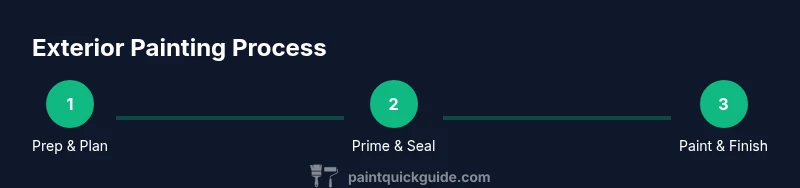
Review existing siding, note areas needing repairs, and choose appropriate paint type and finish. Create a three-coat plan: prep, primer, and topcoat. Consider weather windows and cure times for each coat.
Tip: Draft a simple project calendar and color-test multiple spots on different surfaces. - 2
Protect the work area
Set up ladders safely, cover plants and driveways, and seal off doors and windows with masking tape. Remove outdoor fixtures if possible to reduce touch-ups later.
Tip: Always keep a clear path and use stabilizers on ladders for stability. - 3
Clean and repair surfaces
Power wash or scrub to remove dirt; scrape flaking paint, sand edges, and fill cracks with caulk or wood filler. Allow repairs to dry completely before priming.
Tip: Rinse and let surfaces dry 24 hours if humid or damp. - 4
Prime bare or repaired areas
Apply primer to bare wood, patched areas, and stained spots to ensure uniform adhesion and color. Use lightweight coats and let primer dry fully as per label.
Tip: Choose a primer compatible with your topcoat for best compatibility. - 5
Cut in and apply first coat
Use brushes for edges and rough outlined areas; rollers for large flat surfaces. Apply a thin, even first coat and maintain a wet edge for even color.
Tip: Work in sections and avoid over-rolling wet edges to reduce lap marks. - 6
Back-roll and finish the first coat
Back-roll the painted areas to smooth ridges and ensure even thickness. Let the first coat dry fully before evaluating coverage and color depth.
Tip: Check corners and shadowed areas last to ensure even shade. - 7
Apply the second coat and final touches
Apply a second coat for durability and color depth after the first coat cures. Inspect for missed spots and touch up as needed.
Tip: Do not skip the second coat on siding prone to moisture exposure. - 8
Clean up and cure
Clean brushes and rollers promptly; remove tape while the final coat is slightly tacky to avoid peeling. Allow full cure before exposing to heavy use or rain.
Tip: Label cans with color and date for future touch-ups.
Your Questions Answered
What is the best exterior paint for durability?
Acrylic latex exterior paints offer strong durability, good color retention, and easier cleanup. They resist cracking better in temperature swings than traditional oil-based finishes, making them a reliable choice for most homes.
Acrylic latex exterior paints are typically the most durable and easiest to clean, especially in changing weather.
Do I need a primer for exterior painting?
Yes. Primer improves adhesion on bare wood, repairs, and stained surfaces, and helps ensure even color. Use a primer compatible with your topcoat for the best results.
Yes, primer is essential on bare wood or repaired areas to ensure good adhesion and even color.
How long does exterior paint take to dry?
Drying times vary with weather. Expect several hours for a coat in moderate conditions, with full curing taking days. Plan coats with dry periods between passes.
Drying usually takes several hours per coat, with full cure over a few days depending on conditions.
Can I paint over old paint that is peeling?
No. First remove loose paint, sand the surface, and prime the bare areas to ensure proper adhesion for the new finish.
No—remove peeling paint, sand, and prime before applying a new coat.
Is it cheaper to DIY or hire a pro?
DIY can save labor costs, but a professional may deliver faster results and guarantees. Compare labor time, materials, and access to equipment when deciding.
DIY can be cheaper, but a pro might save time and ensure durability with proper technique.
How often should exterior paint be reapplied?
Intervals depend on climate, surface, and paint quality. Plan for recoat every 6–15 years in typical conditions, with more frequent maintenance in harsh climates.
Most exteriors need a refresh every several years, depending on climate and paint quality.
Watch Video
Quick Summary
- Prepare surfaces thoroughly before painting.
- Choose the right exterior paint type for your climate.
- Paint in appropriate weather windows for best cure.
- Prime bare wood or repaired areas before topcoats.
- Apply two coats for durability and color depth.